

I spent the last month talking to founders who recently closed seed rounds. Every single one used AI somewhere in their fundraising prep. Some used it well. Most used it badly.
The difference? The founders who used it well treated AI as a sparring partner. They used it to stress-test their pitch, find holes in their story, and rehearse the hardest questions before walking into the room.
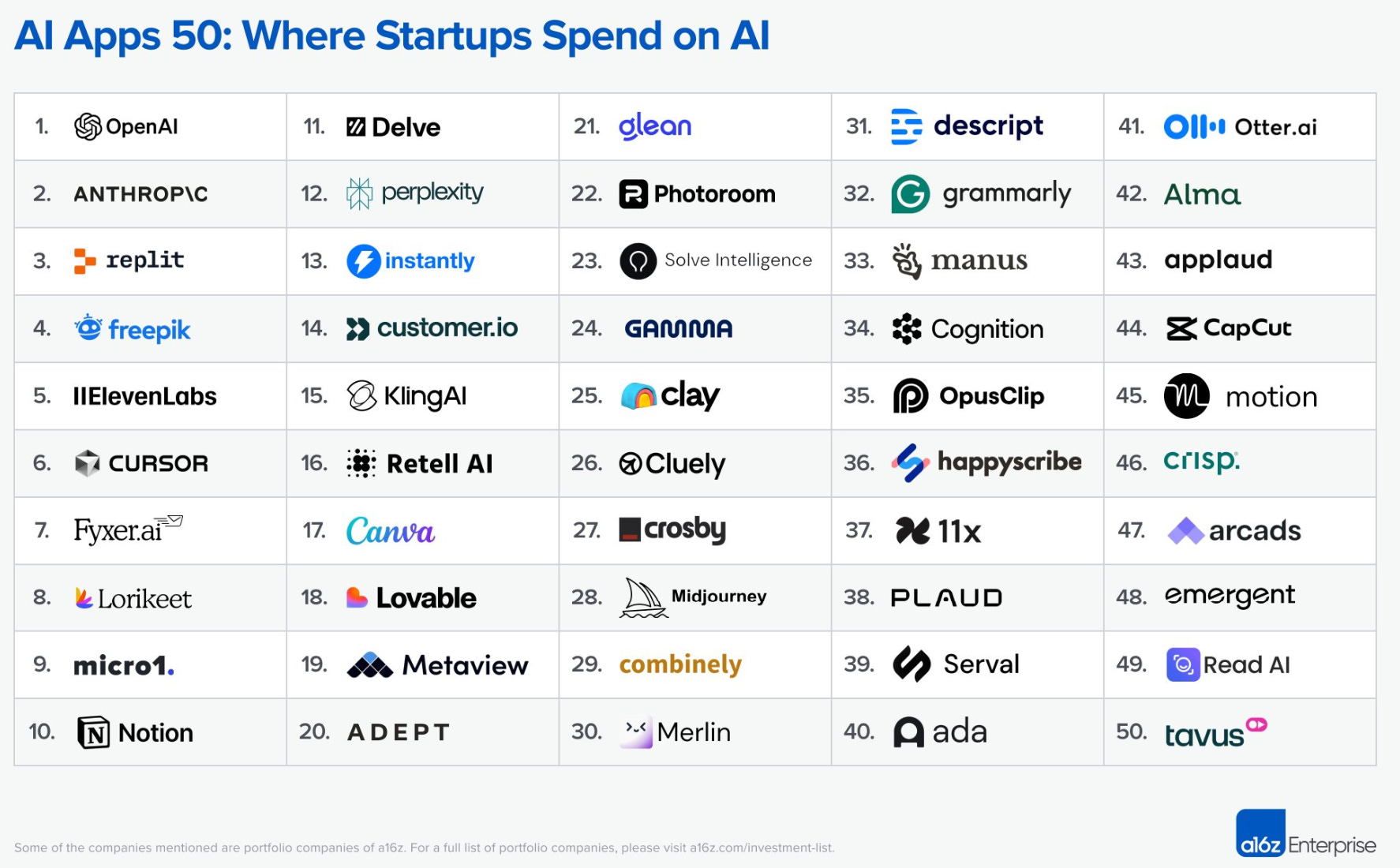
The founders who used it badly pasted “write me a pitch deck” into ChatGPT and sent the output to investors. You can guess how that went.
Here’s what I’ve learned: the best fundraising prep workflow uses three tools, in a specific order, for specific tasks. ChatGPT for narrative and role-play. Gemini for real-time research and fact-checking. DeepSeek for financial stress-testing at near-zero cost.
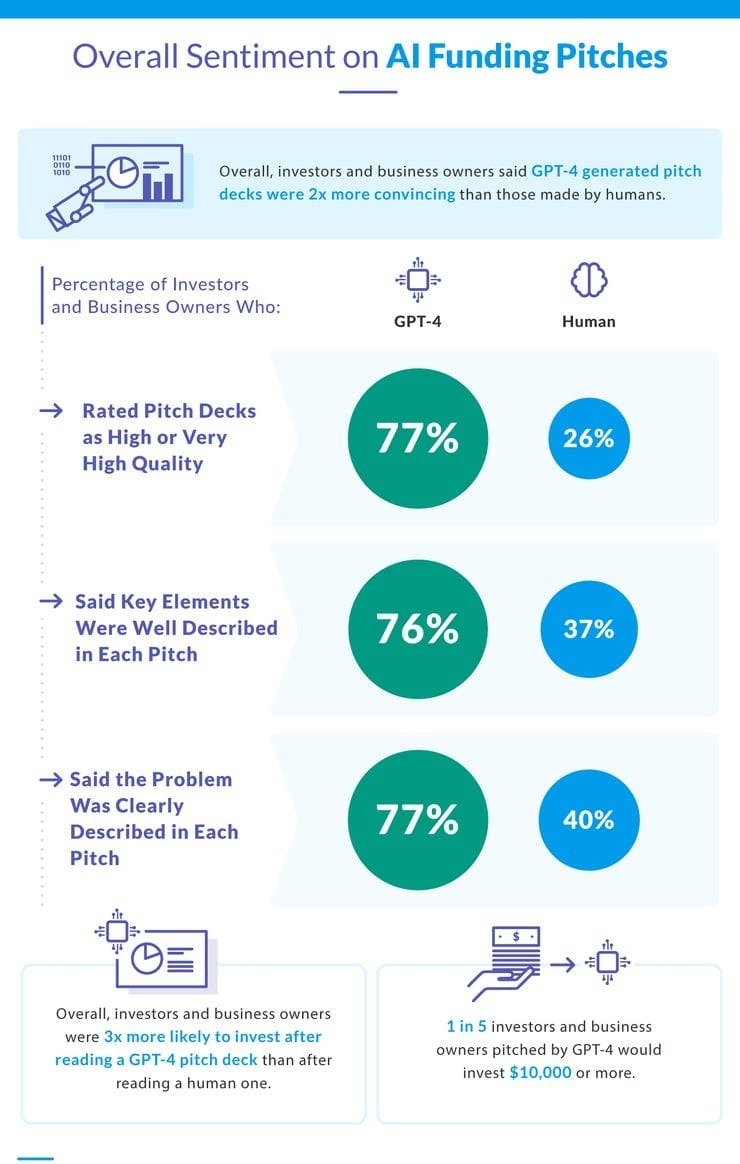
One data point worth paying attention to: a Clarify Capital experiment found that GPT-4-generated pitch decks achieved 2.3x higher conversion rates in blind investor tests compared to human-only decks. The advantage came entirely from better preparation.
The founders who win investor meetings in 2026 are the ones who’ve already pressure-tested every weak spot in their story before they walk through the door.
This guide is the complete tactical playbook. Every prompt, workflow, and framework I’d use if I were raising a seed round today.
What’s Inside This Guide
Here’s what premium subscribers get in the full playbook:
Part 1: Simulating Investor Q&A
The copy-paste “Skeptical VC” prompt that multiple founders have field-tested and refined. A persona rotation method that surface-tests different weaknesses by simulating three distinct VC archetypes. Pre-meeting prep prompts tailored to specific firms. The Admit-Anchor-Act framework for handling the hardest objections.
This section alone will change how you prepare for every investor meeting going forward.
Part 2: Writing an Investment Memo Like a VC
The 9-section memo architecture based on templates from YC, Bessemer, NextView, and Underscore VC. The master prompt from Confluence.VC that automates 90% of the initial structure. Section-specific prompts for market sizing and risk analysis. And the three-pass refinement cycle that turns an AI draft into something an investor would actually take seriously.
Most founders skip writing a memo entirely. The ones who write one are “effectively seeding what will be shared directly with the investment committee,” as investor Bradford Cross puts it.
Part 3: Building Pitch Deck Content Slide by Slide
The optimal 10-12 slide structure (Sequoia, YC, and Kawasaki frameworks all converge on roughly the same outline). The “Context-First” workflow for going from brain dump to polished deck. Slide-by-slide prompts for the hardest slides (Problem, Why Now, Traction). The six-part narrative arc that the strongest pitch decks follow. And Liran Belenzon’s open-sourced Gemini framework (he raised $200M+ at BenchSci).
Part 4: Which Tool to Use When
A clear breakdown of ChatGPT vs. Gemini vs. DeepSeek for each fundraising task. The recommended multi-tool workflow that combines all three. Seven prompt engineering principles that apply across every tool. And a curated list of the best prompt libraries, templates, and custom GPTs worth bookmarking.
“Use AI to outline and stress-test, but let your own voice carry the final prose.
Investors easily spot generic AI-generated language.”