

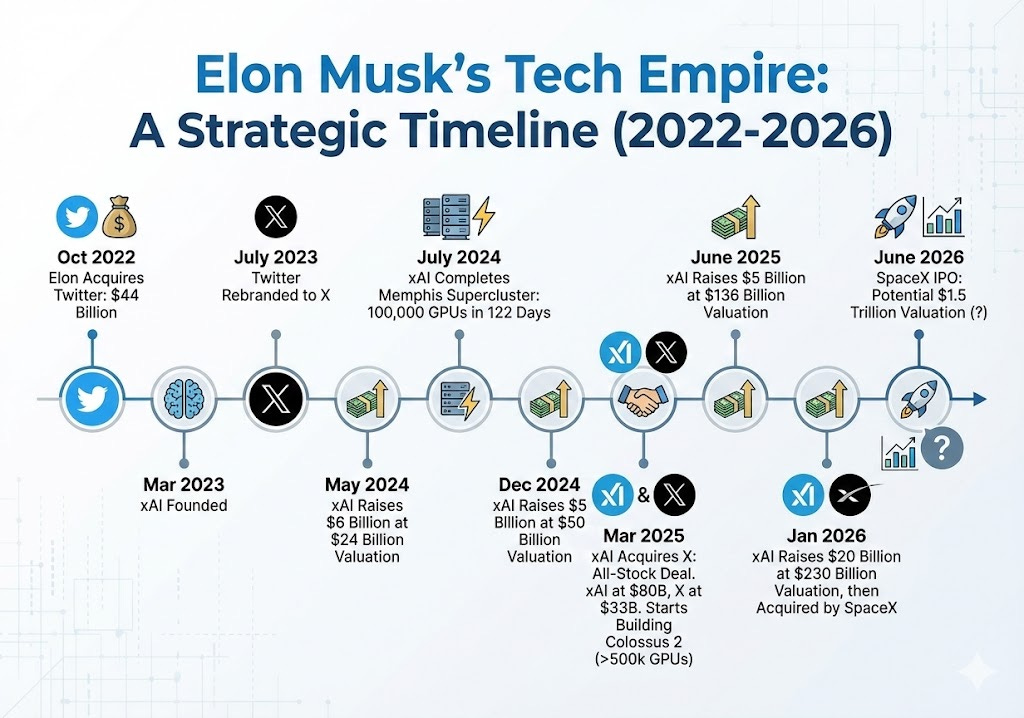
In a short span of time, Elon Musk stopped operating separate companies and started assembling a single stack.
A social platform consolidated attention and data.
An AI lab was created and scaled aggressively.
Compute was treated as an industrial asset.
Then the AI lab was absorbed by SpaceX.
Taken one by one, these moves invite speculation. Taken together, they reveal a consistent operating logic.
This piece explains how that structure came together, why it echoes Musk’s earlier companies, and why the implications reach far beyond AI headlines.

Why vertical integration appears again
Most AI companies rely on external layers:
hyperscalers for compute
platforms or enterprises for distribution
licensed or scraped data
third-party infrastructure pricing and policy
Musk’s companies have spent years moving in the opposite direction.
Launch was internalized at SpaceX.
Factories became strategic assets at Tesla
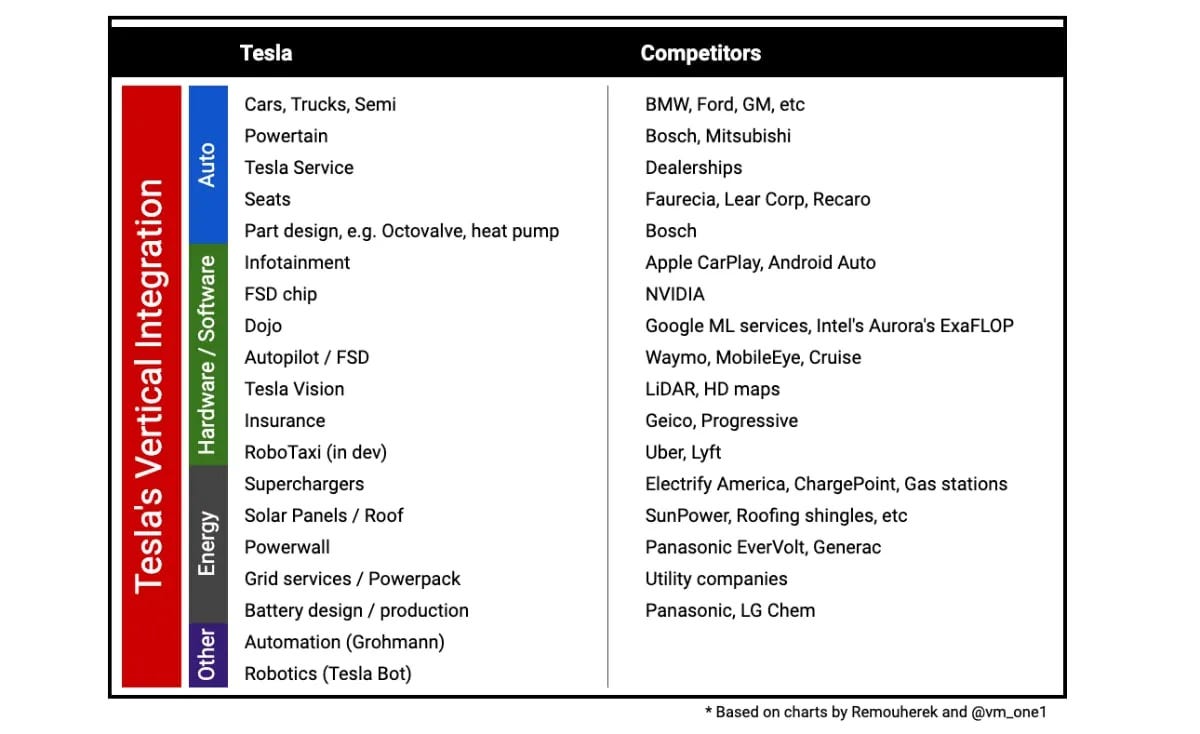
Connectivity was built into the system through Starlink.
Pulling xAI into SpaceX follows the same logic. Owning more of the stack reduces exposure to constraints that persist even as scale increases.
Power, cooling, launch cadence, satellite density, and manufacturing throughput do not behave like software abstractions. They reward ownership over time.
Risk tolerance as structure
Walter Isaacson’s biography highlights a recurring pattern.
As uncertainty rises, Musk tends to concentrate exposure rather than spread it. He absorbs volatility early and removes exit paths that would slow execution later.
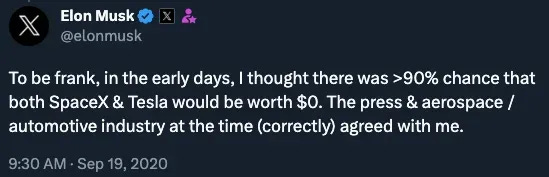
That approach fits domains where partial commitment fails. Rockets, satellite networks, and frontier compute carry fixed costs that punish hesitation.
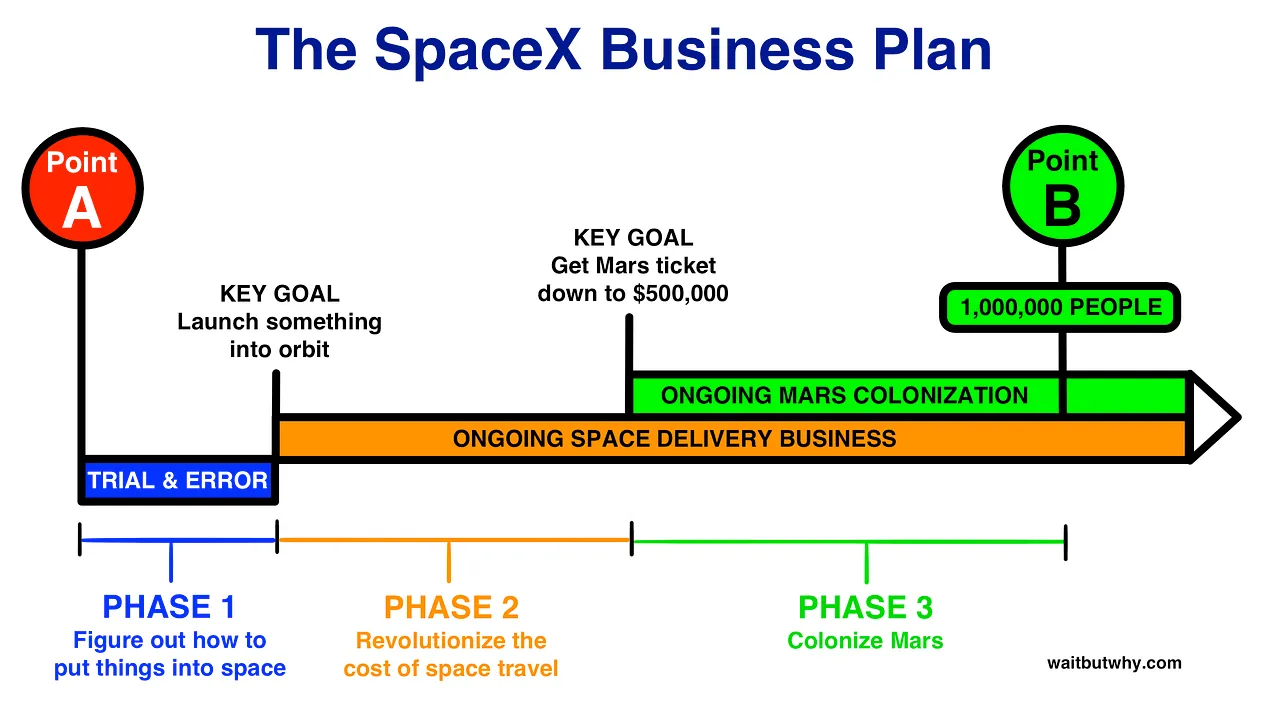
The SpaceX–xAI structure reflects that bias toward full commitment.
The Google precedent
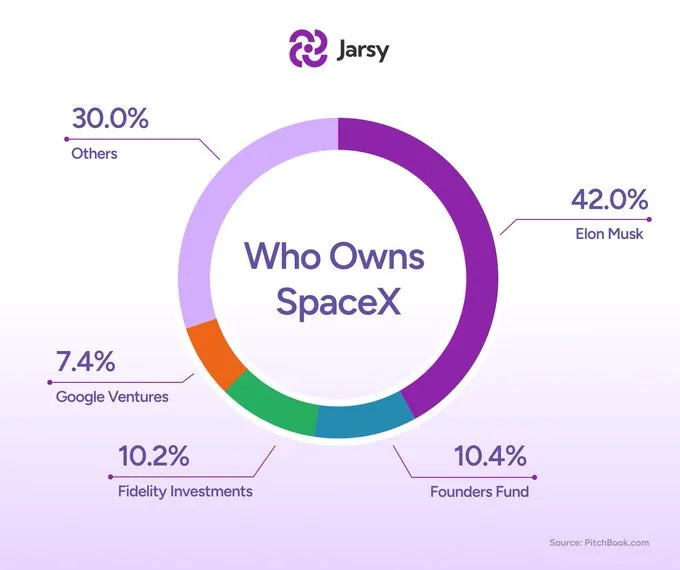
In 2015, Google and Fidelity invested roughly $1B into SpaceX at a reported valuation near $12B.
At the time:
reusable rockets were unproven
Starlink existed as ambition rather than revenue
failure remained plausible
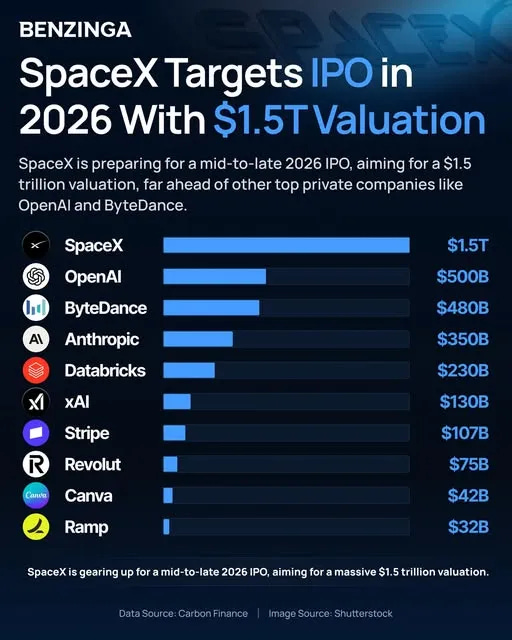
A decade later, SpaceX is widely discussed as a candidate for one of the largest IPOs ever.
The lesson is not the return multiple. It’s the decision to commit before outcomes were visible and to remain committed while risk stayed high.
That posture now appears again, this time around AI.
Why xAI inside SpaceX changes the story
SpaceX was already an infrastructure company.
With xAI inside the organization, it also becomes AI infrastructure.
That shifts how future investors, regulators, and partners will view the business:
compute supply becomes part of the core narrative
satellite networks intersect with model deployment
regulatory exposure broadens
long-horizon optionality expands
Public markets struggle to price systems that combine capital intensity, fast technological cycles, and geopolitical relevance. That tension will shape any future listing.
What’s behind the paywall
For premium subscribers, the next section covers:
Musk’s manufacturing “Algorithm” and its relevance to AI systems
why over-automation failed at Tesla and how that lesson applies to model pipelines
Starship as a forcing function for compute scale
the orbital data center thesis and its implications for AI economics
how SpaceX, Starlink, and xAI reinforce each other structurally