

The subject line said everything.
“Don’t Be a Jerk.”
Expedia’s former CEO Dara Khosrowshahi sent it to thousands of employees after internal politics started slowing the company down. The message was brief and direct. Respect was non-negotiable, and talent did not excuse bad behavior.
The email spread quickly inside Expedia. Conversations shifted almost overnight. A few lines of plain language reset the company’s culture….
Brought to you by Attio
My 3-step playbook to find prospects in my CRM:
Sign up for Attio. Connect your email and calendar - takes <3 minutes.
Watch Attio map out and enrich all your customer relationship data.
Filter for your ICP (I use industry, estimated ARR, and/or funding raised).

In no time you’ll have a list of prospects you didn’t know about.
This pattern shows up again and again.
Elon Musk has fired people with an email. Steve Jobs set direction with a sentence. Brian Armstrong reshaped Coinbase’s culture with a single post.
In high-stakes moments, written communication becomes a leadership tool. These messages do more than inform. They define standards and reveal what a company truly values.
For founders, these emails matter. They shape culture long after the moment passes. At some point, every CEO writes one message people remember. The impact depends on how clearly values are stated.
Table of Contents
1. The Ultimate List of the Most Brutal Emails in History
2. Pattern Recognition: What These Emails Reveal
3. The Founder’s Checklist: Before You Hit Send
4. Final Note: One Email Can Define You. Forever.
1. The Ultimate List of the Most Brutal Emails in History
Sometimes a CEO’s legacy is typed in Arial and sent at 11:42 p.m. These aren’t polished press releases or carefully staged all-hands speeches. They’re raw, unfiltered, and often written in the heat of a moment.
Each one offers a window into how leaders wield language under pressure, and a mirror for any founder brave enough to look.
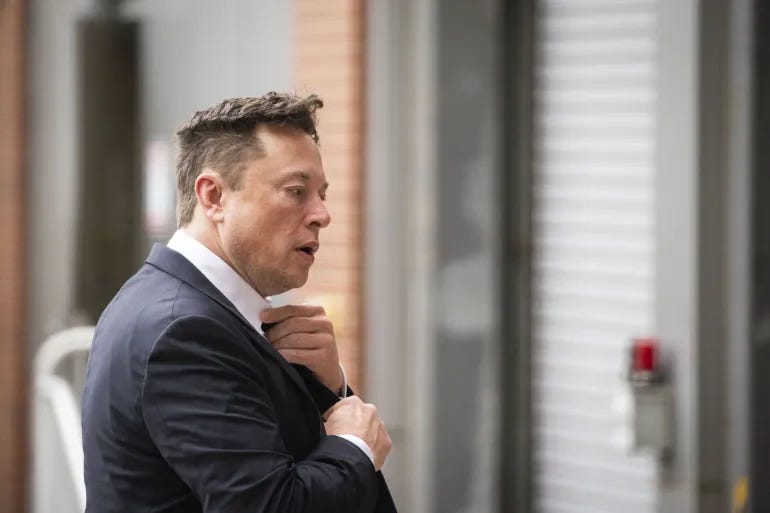
1. Elon Musk – “Return to Office or Resign”
"If you don’t show up, we’ll consider it your resignation."
Context:
In June 2022, Musk emailed Tesla’s employees with a simple order: get back in the office, 40 hours a week, or hand in your badge. No hedging, no “let’s discuss.” He tied physical presence to the company’s identity, the kind of work they do, he said, can’t be done over phone.
Fallout:
The leak hit the press within hours. Some founders admired the decisiveness while others saw it as a throwback to a pre-COVID playbook that would cost Tesla talent. Musk doubled down in public, calling remote work “pretend work” and made it clear the culture he wanted was one you had to show up for in person.
Takeaway:
A hard line is the fastest way to clarity, and to finding out who’s really on the bus.
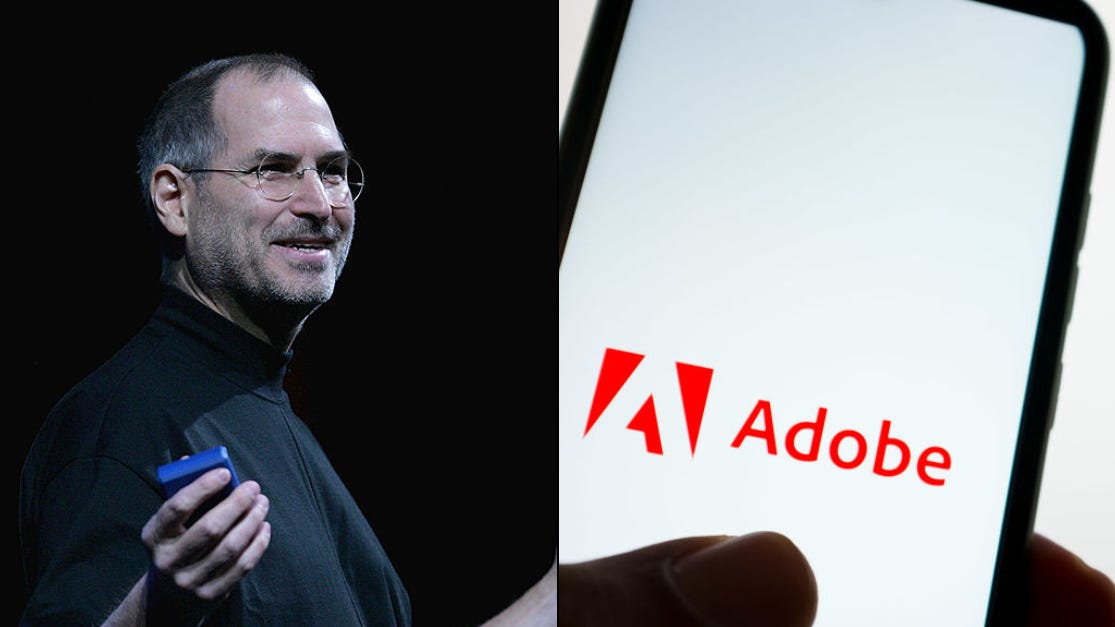
2. Steve Jobs to Adobe & Google About Employee Poaching
Adobe – “One of Us Must Change”
Google – Forwarded email with “Stop doing this”
Context:
In the mid-2000s, Jobs caught wind that both Adobe and Google recruiters were sniffing around Apple talent. His response to Adobe was almost genteel on the surface: “One of us must change.”
To Google’s Eric Schmidt, he simply forwarded the offending email from a recruiter with three words: “Stop doing this.” Inside Silicon Valley’s inner circle however, everyone knew what that meant.
Fallout:
You could say that the message landed. In Google’s case, a recruiter was reportedly fired within the hour. Years later, these exchanges surfaced in the antitrust case over Silicon Valley’s secret “no-poach” agreements, costing the companies hundreds of millions in settlements and exposing how aggressively top execs protected their turf.
Takeaway:
Real power doesn’t need a paragraph. Sometimes three words are enough to make a point.
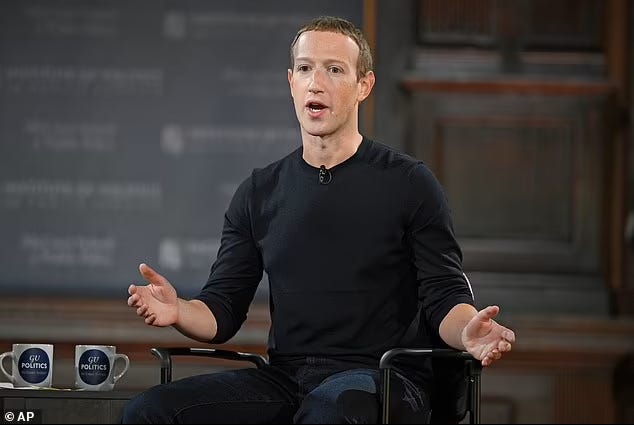
3. Mark Zuckerberg – “Please Resign”
“If you think it's ever appropriate to leak internal information, you should leave.”
Context:
Frustrated by repeated leaks about Facebook’s product roadmap and policy calls, Zuckerberg sent an all-hands email telling leakers to quit. It was meant as a line in the sand, a warning that internal dissent aired in public would not be tolerated.
Fallout:
The email… leaked. Within hours, it was on the press circuit, fueling the very problem it was trying to stop. The irony wasn’t lost on employees, and it deepened an existing trust gap between leadership and staff. What was intended as a loyalty test instead became proof that the culture was already fraying.
Takeaway:
Fear might stop leaks for a day, but trust is the only thing that keeps them from happening at all.
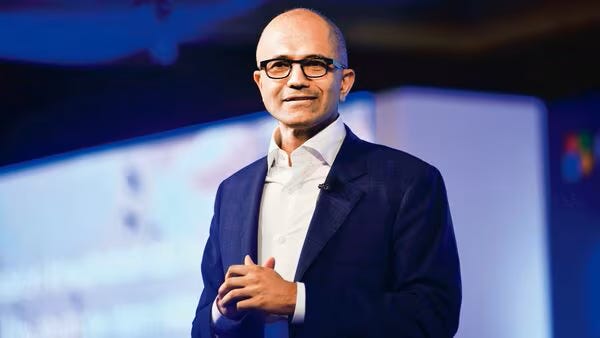
4. Satya Nadella – Layoffs with Empathy
“We will do so in the most thoughtful and transparent way possible.”
Context:
In early 2023, Microsoft announced 10,000 layoffs, part of a larger industry contraction. Satya Nadella’s internal memo was direct about the scale of the cuts but anchored in care for the people affected.
He laid out the business realities driving the decision, offered severance and support details upfront, and kept the tone measured and human.
Fallout:
The email stood out in a season of cold, template-like layoff notes from other tech leaders. Employees and commentators praised its balance of delivering bad news without stripping away dignity. It ended up becoming a reference point for how to lead in a downturn without torching trust.
Takeaway:
You can deliver hard news without hard edges; empathy now buys you respect later.
5. Tim Cook – “Leakers Do Not Belong Here”
“We know who they are. And they do not belong here.”
Context:
After an Apple all-hands was leaked to the press, Tim Cook sent a follow-up to employees. His tone was calm but unmistakably serious. The company knew exactly which employees had broken confidentiality, and they would be removed.
It was a reminder that secrecy at Apple was part of the company’s operating system.
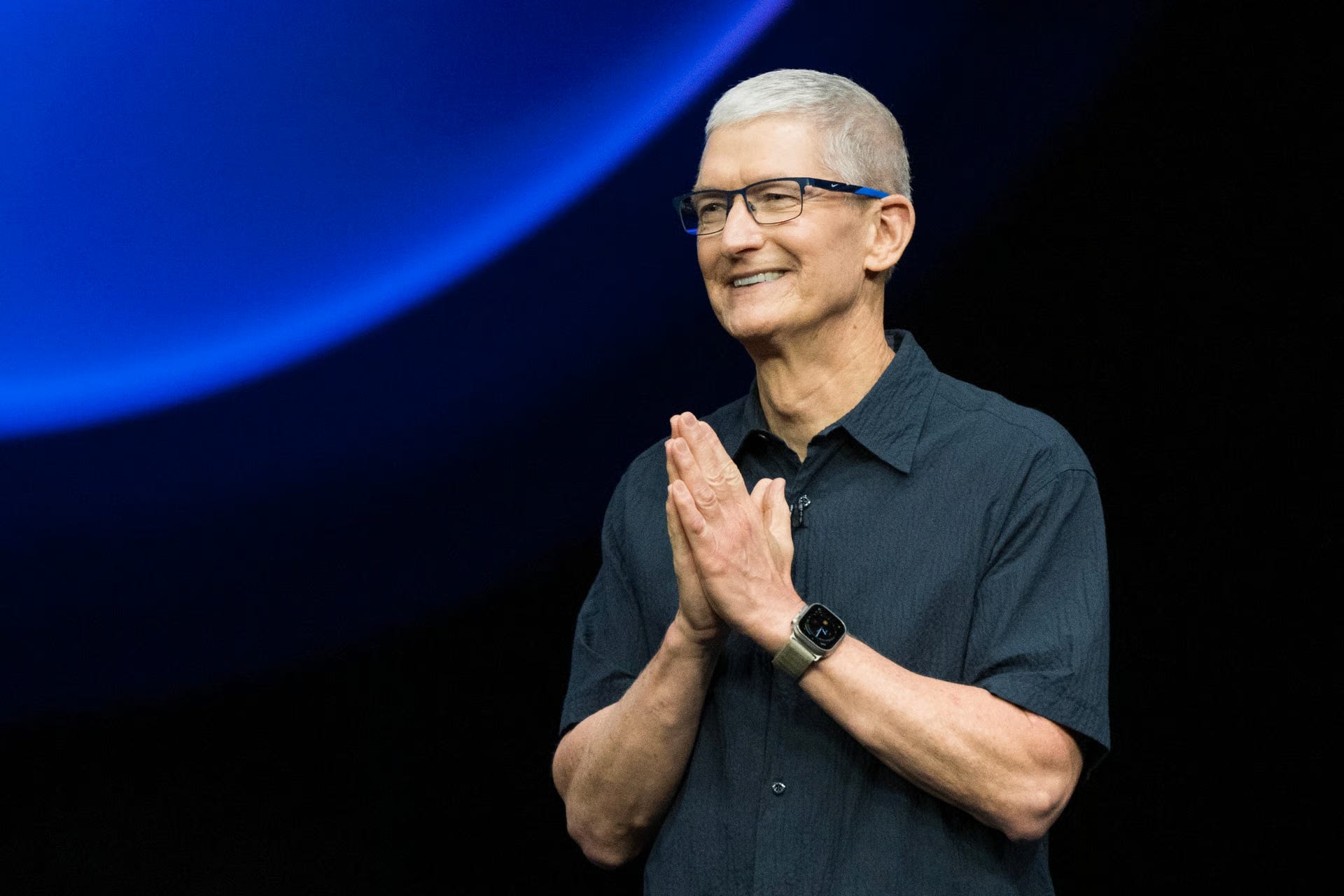
Fallout:
Inside Apple, the memo reinforced the tight-lipped culture Steve Jobs had built, where product launches were treated like state secrets. Outside however, it raised questions about how much openness a company should allow internally, and whether too much secrecy could stifle healthy debate.
Takeaway:
Values aren’t just words framed on the wall. They’re enforced in the moments that test them.
6. Jeff Bezos – The “?” Method
(He forwards internal issues with a single “?”)
Context:
At Amazon, a forwarded email from Jeff Bezos with nothing but a question mark in the body was a signal, and a warning. It meant a customer complaint, operational glitch, or oddity had landed on his radar. No long intros, no instructions. Just “?” leaving the recipient to figure out the problem and fix it. Quickly.
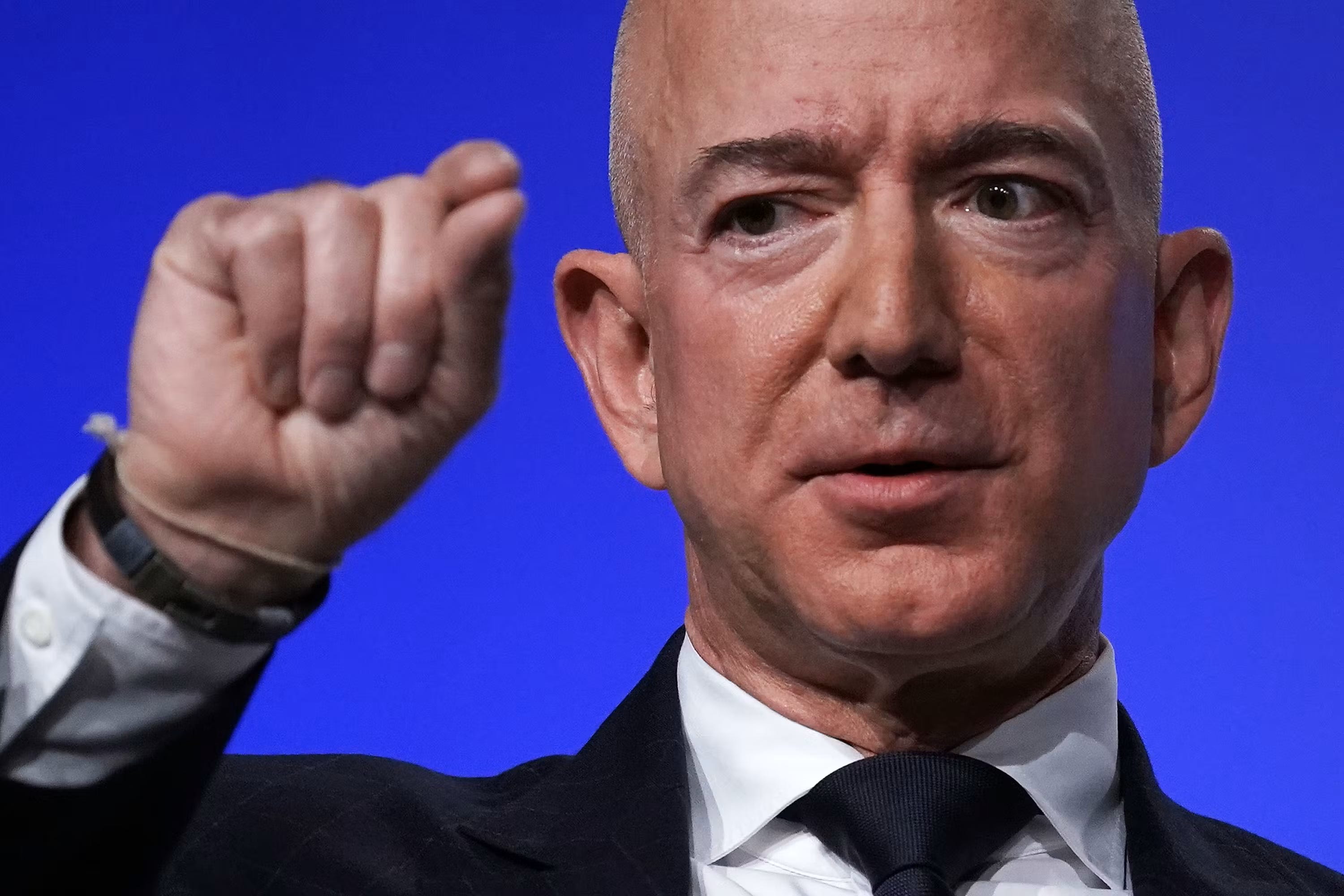
Fallout:
Inside Amazon, “getting a Bezos question mark” became part of the company’s lore. Managers knew it could arrive at any hour, and that the right response was immediate action. It was minimalist, scalable, and unmistakably personal, a way for the CEO to stay plugged into details without micromanaging.
Takeaway:
The best systems solve two problems at once: they keep leaders informed and keep teams accountable.
7. Andy Jassy – “Disagree and Commit, or Leave”
“It’s probably not going to work out for you.”
Context:
In 2023, Amazon’s new return-to-office mandate faced pushback from employees who’d grown used to hybrid or remote setups. Andy Jassy’s memo was a conversation ender. It told employees that leadership had decided, and if they weren’t willing to align, they might’ve wanted to start looking elsewhere. It was framed as “disagree and commit” taken to its extreme.
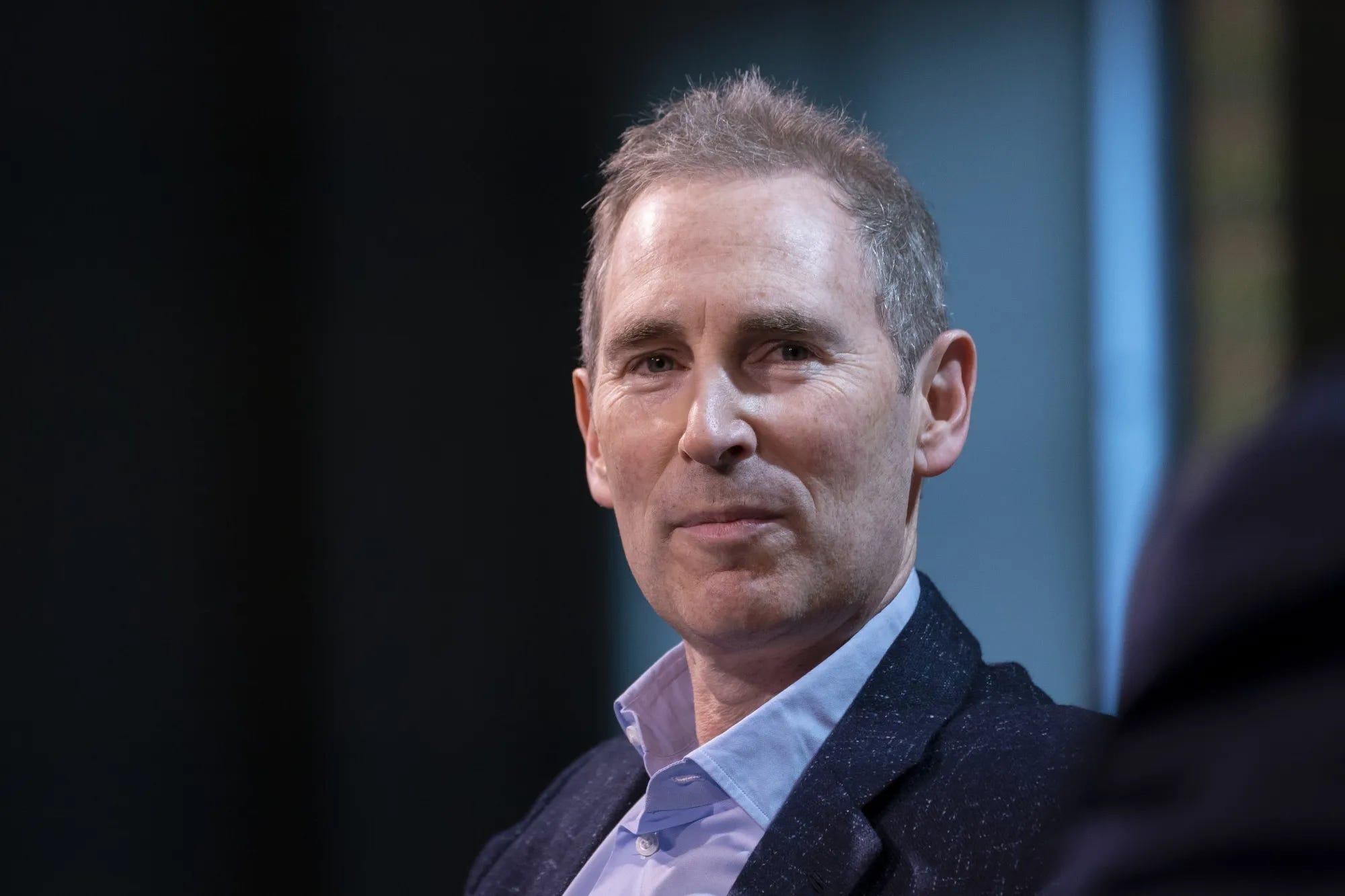
Fallout:
The email ended up splitting the company at the time. Some saw it as decisive leadership that ended the debate. Others read it as inflexible and dismissive of legitimate concerns, risking the loss of engaged talent. Outside observers pointed to it as another example of Amazon’s hard-edged operational culture.
Takeaway:
Clarity earns respect, but inflexibility can cost you the very people you want to keep.
8. Elon Musk to Twitter CEO – “What Did You Get Done This Week?”
“I’m not joining the board. This is a waste of time.”
Context:
During Musk’s early involvement with Twitter in 2022, tensions with then-CEO Parag Agrawal played out both privately and in the press. In one exchange, Musk bluntly questioned Agrawal’s weekly output and dismissed a proposed conversation with a curt refusal to join the board. It was a public glimpse into a fast-eroding relationship at the very top.
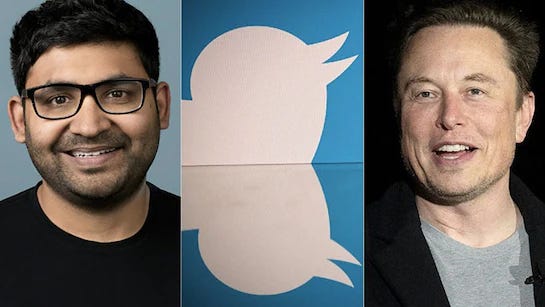
Fallout:
The emails and tweets became emblematic of their incompatible leadership styles. Musk’s direct, confrontational approach versus Agrawal’s more procedural tone.
Not long after the acquisition closed, Agrawal was out. For employees, the back-and-forth implied instability and deep misalignment in vision.
Takeaway:
Public put-downs might win the moment, but they lose the room. Humiliation erodes trust faster than any strategy can rebuild it.
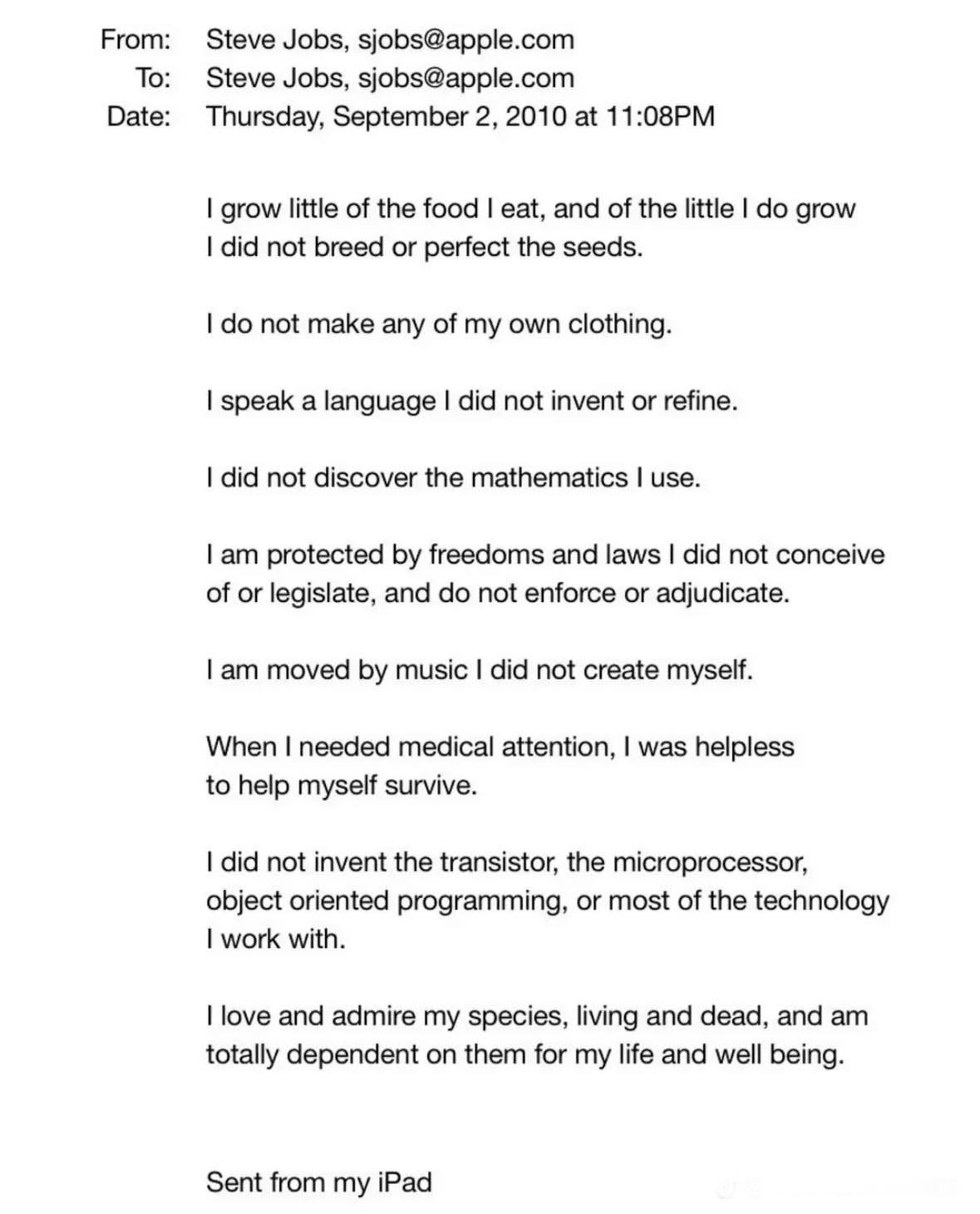
9. Steve Jobs Email to Himself – A Reflection on Dependency
“I love and admire my species… and am totally dependent on them for my life and well being.”
Context:
In 2010, a year before his passing, Steve Jobs sent himself an email that read like a meditation on mortality and connection. This e-mail wasn’t meant for employees or the press. It was a private note capturing his gratitude for the people and systems that made his life possible, from farmers to engineers to the friends and family in his inner circle.
Fallout:
The email surfaced posthumously, shared by Apple in 2011 as a window into Jobs’ personal philosophy. For many, it softened the image of a famously exacting leader, revealing humility and perspective beneath the intensity that defined his public persona.
Takeaway:
Even the hardest-driving founders are carried by others. Remembering that makes you stronger, not weaker.
10. Coinbase CEO Brian Armstrong – “Apolitical Workplace” Memo
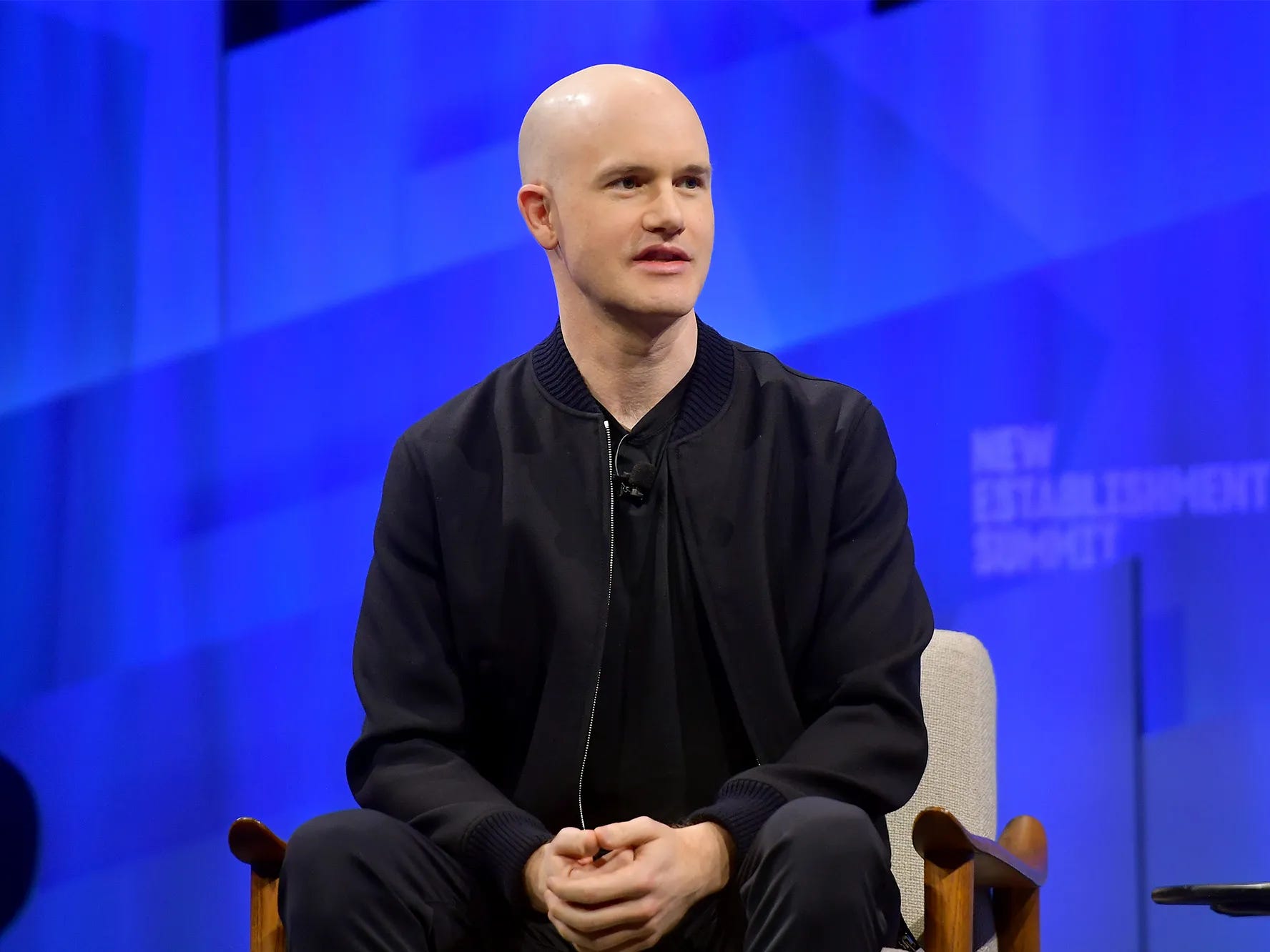
“We won’t debate causes or political candidates internally... If you can’t accept this, we’ll offer you a severance package.”
Context:
In September 2020, Coinbase CEO Brian Armstrong sent a company-wide message indicating his wishes for a sharp cultural change. The message announced that political and social debates unrelated to the company’s mission would no longer be part of internal life.
He framed it as a way to keep teams focused on building for the crypto economy and avoid distractions. To make the line clear, he offered a severance package to anyone who couldn’t align with the policy.
Fallout:
Over 60 employees, or about 5% of the company at the time, took the offer and left. The move triggered a wave of public debate in Silicon Valley about the role of activism at work. Supporters said it brought clarity and focus, while critics saw it as shutting down important conversations and alienating values-driven talent.
Takeaway:
Defining culture by what you exclude can sharpen focus, but you need to accept the talent loss that comes with it.
11. Applebee’s Exec – “Inflation Benefits Us”
“Most of our employee base lives paycheck to paycheck… this benefits us.”
Context:
In March 2022, an Applebee’s franchise executive sent an internal email suggesting that rising gas prices and inflation were good for business, because financially stressed workers would accept lower wages. He argued that the labor market was “turning in our favor” and that this could be used to ease staffing shortages without raising pay.

Fallout:
The email leaked, sparking outrage online and inside the company. Employees at one location walked out, managers quit, and the franchise temporarily shut its doors. Public backlash was swift, and the executive resigned. It became a case study in how tone-deaf internal messaging can obliterate trust and brand reputation overnight.
Takeaway:
If your words end up on Twitter, they’d better reflect empathy, or you’ll be hiring for your own job next.
12. Larry Page – “I Think We Should Look Into Acquiring YouTube”
“I think we should look into acquiring [YouTube].”
Context:
In late 2005, Larry Page sent a short note to Google’s leadership suggesting they explore buying YouTube. At the time, YouTube was a scrappy, fast-growing video startup, still running out of a small office but already outpacing Google Video in engagement.
What makes this note great is that it didn’t come with a business case, a pitch deck or a presentation. It was a simple nudge to start the conversation.
Fallout:
Less than a year later, Google bought YouTube for $1.65 billion. It became one of the most important acquisitions in tech history, transforming online video and cementing Google’s dominance in the space. Today, YouTube is worth hundreds of billions and remains a core pillar of Google’s business.
Takeaway:
Industry-shaping moves don’t always start with a grand pitch, sometimes they’re sparked by a single sentence.
2. Pattern Recognition: What These Emails Reveal
Once you zoom out and take those emails as a collective, you’ll start to see patterns. These notes set tone, enforce values, and decide who stays or goes. They carve the culture of the company.
Visionaries compress their values into language
The best leaders don’t waste words. And their words carry weight. Jobs took on Google with “Stop doing this.” Larry Page kicked-off a billion-dollar acquisition with one sentence. Armstrong reshaped Coinbase’s culture in a single memo.
Clear thinking produces clear writing, and people take cues from both.
Tone signals power. Format signals intent
A Nadella layoff note landed with impact because it was long enough to show care and precise enough to show control. Musk’s return-to-office demand was blunt and unmissable. Tim Cook’s short, cold “Leakers do not belong here” signaled zero tolerance.
The words are only half the message, while the packaging tells the rest.
Brutality can scale, but so can empathy
Musk and Nadella run companies of similar scale, but their emails live at opposite ends of the tone spectrum. Musk’s hard lines filter for people willing to adapt to his pace; Nadella’s warmth invites people to believe in him even in bad times.
Both approaches scale, but they build very different cultures.
Some emails are calculated moves. Others are emotional leaks
Armstrong’s apolitical workplace memo was engineered to draw a line and let people self-select out. Zuckerberg’s anti-leak note, by contrast, came from frustration, and immediately leaked.
Founders need to know when they’re executing a strategy versus just venting into the keyboard.

Every founder writes their company’s DNA with their keyboard
Values aren’t just in handbooks; they’re in the subject lines and sign-offs that get screenshotted and passed around. Cook’s “Leakers do not belong here” tightened Apple’s culture of secrecy. The Applebee’s exec’s wage-cut email torched his company’s employer brand in days. Words scale faster than almost anything else a leader does, for better or worse.
3. The Founder’s Checklist: Before You Hit Send
Before your next high-stakes email leaves the drafts folder, run it through this filter:
1. Pause for clarity, not catharsis
If you’re still heated, you’re not ready. Wait until the adrenaline drops so you can choose words that land as intended, not as venting.
2. Write for the leak
Assume every email will end up in a screenshot, Slack thread, or the press. Would you stand by it if it hit the front page of your Wikipedia?
3. Pick your mode: inform, inspire, or intimidate
Be intentional. If you’re trying to motivate, don’t sound like you’re issuing an eviction notice. If you’re drawing a line, don’t bury it under warm fuzzies.
4. Ask what this says about your culture
If 100 new hires read this on day one, what would they think you value? That’s the culture you’re actually writing into existence.
5. Cut it down to one sentence
If you can’t sum it up in a single, clear line, you probably haven’t nailed the point. Brevity signals certainty; bloat signals unresolved thinking.
4. Final Note: One Email Can Define You. Forever.
You’ll send thousands of emails as a founder. Most will vanish into inbox history. But one of them will live on - screenshotted, forwarded, remembered.
It might be during a crisis. It might be after a leak. It might be the night before a layoff, or the moment you close the deal that changes everything.
When that email comes, you won’t get a second draft. Write like it’s permanent ink.
Because someone, somewhere, is always hitting Forward.
This post is missing some serious good ones from Jensen Huang