

ChatGPT, Perplexity, Claude, Gemini. These are answer engines. They give one synthesized response and maybe cite a few sources.
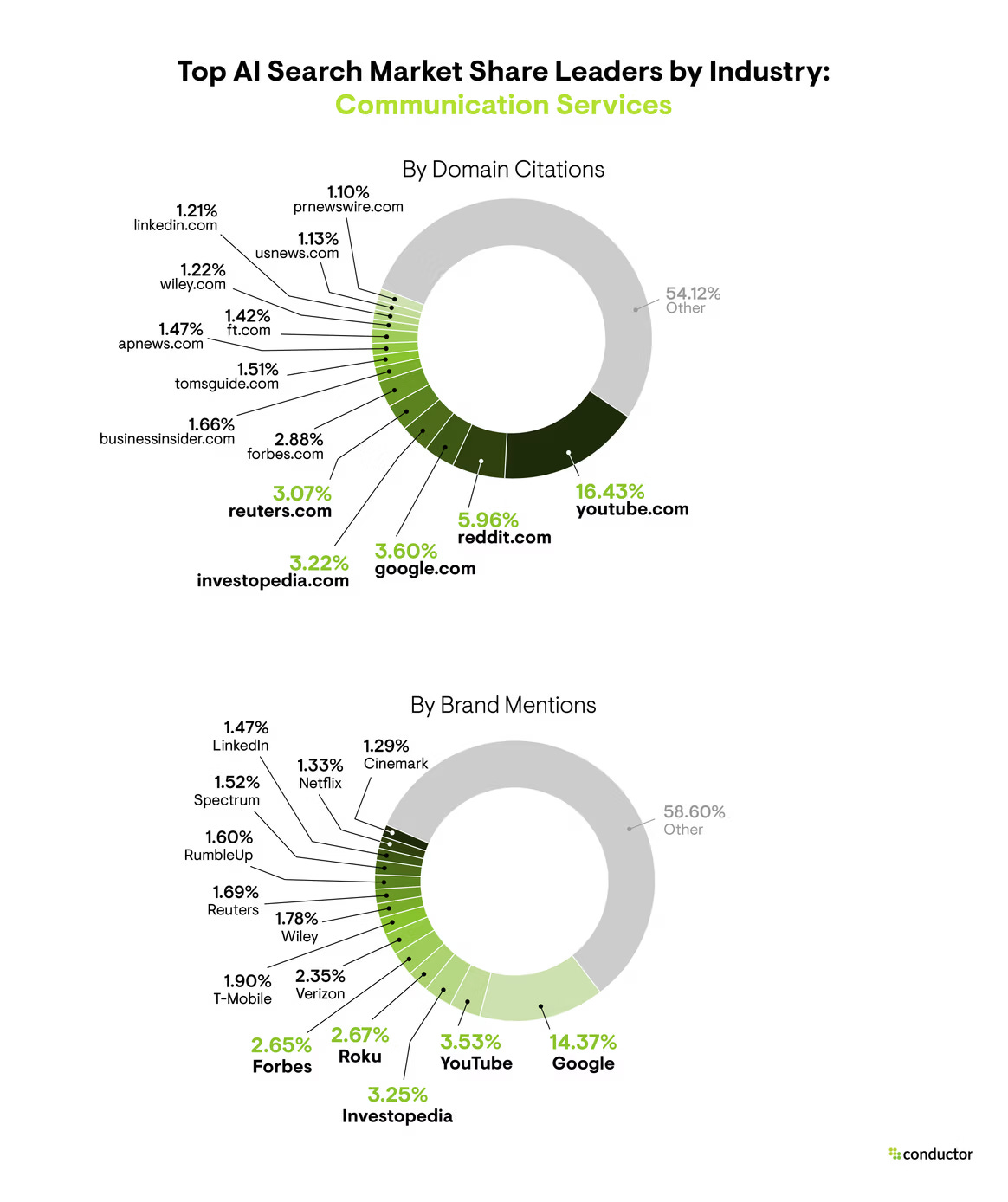
Your perfectly optimized blog post gets summarized, stripped of your brand, and delivered to the user without them ever visiting your site.
The companies that figure out how to get cited by AI will own the next decade of organic growth. Everyone else will watch traffic flatten while AI answers questions and keeps the clicks.
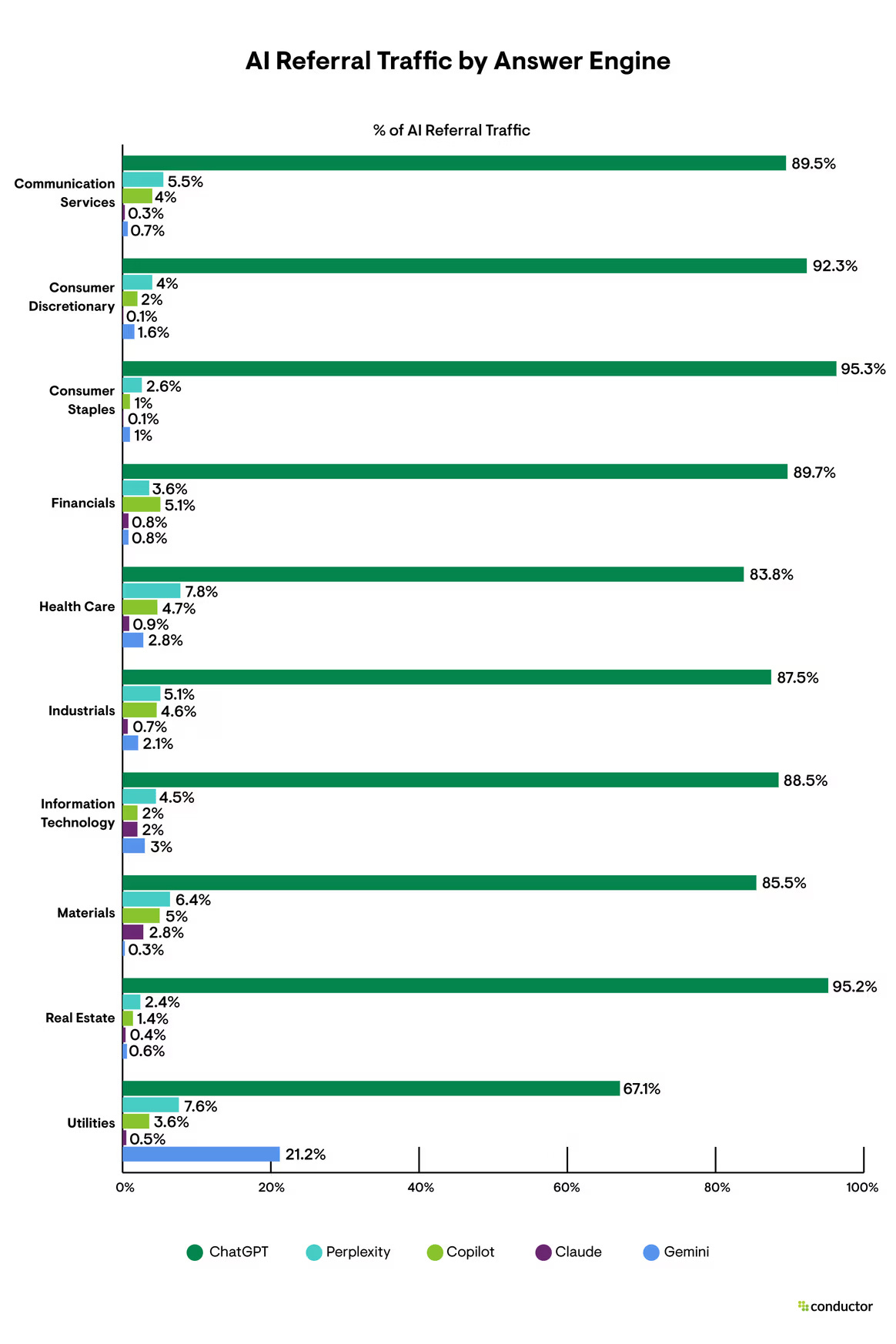
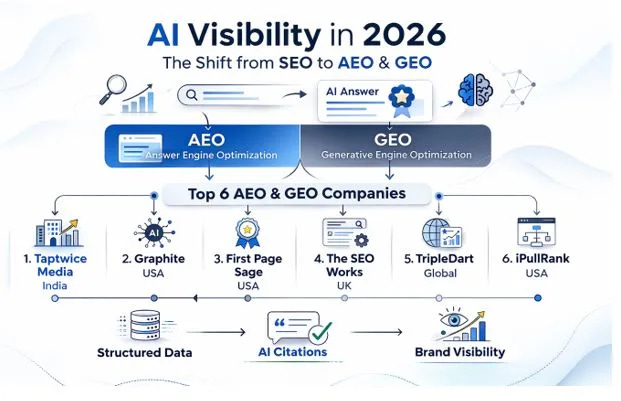
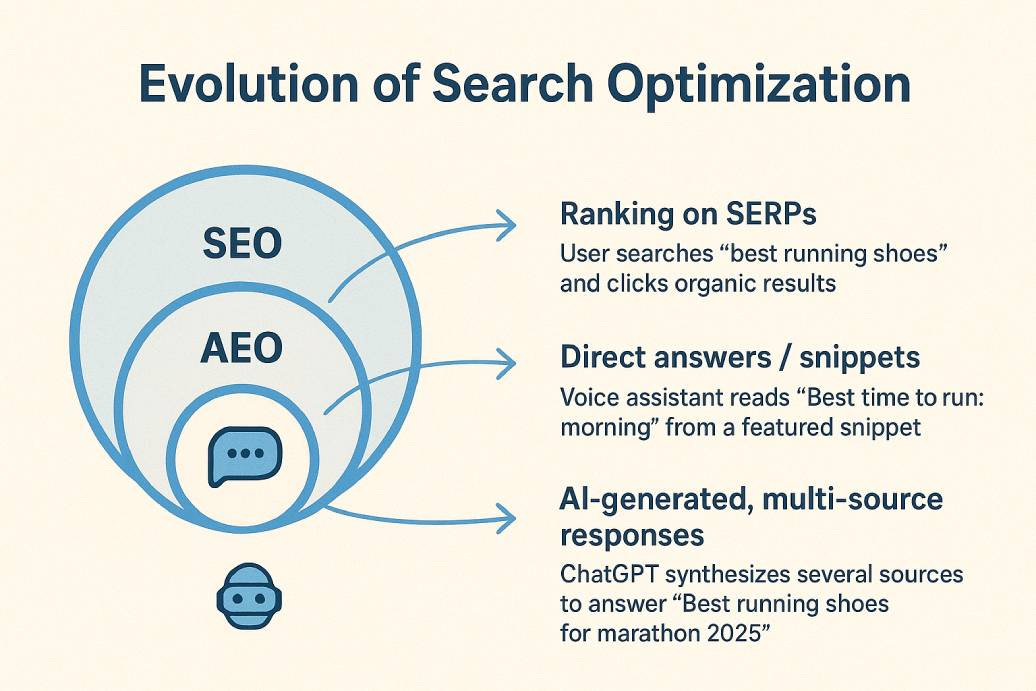
That’s what GEO (Generative Engine Optimization) and AEO (Answer Engine Optimization) solve.
This guide is the tactical playbook.
The Shift Is Already Here
Two scenarios. Same query. Completely different outcomes.
Search in 2020: User types “best CRM for startups.” Google shows 10 results. User clicks 2 or 3 links. Reads your content. Maybe converts.
Search in 2026: User asks ChatGPT “what’s the best CRM for startups.” AI synthesizes an answer from multiple sources. Maybe cites you. User gets the answer and moves on.
The data:
ChatGPT processes over 1 billion queries per week
Perplexity went from zero to 30 million daily queries in under two years
Google’s AI Overviews appear in 15 to 60% of searches (depending on query type)
58.5% of Google searches end without a single click to the open web (SparkToro/Datos, 2024)
Google ranks pages. AI cites statements. That single difference changes everything about how you write, structure, and distribute content.
Why This Should Be a Priority Right Now
Zero-click is the default. AI accelerates a trend already underway. Users get their answer on the results page. Your traffic source evaporates regardless of how well you rank.
AI citations compound. When ChatGPT cites your content, users start associating your brand with expertise on that topic. AI models keep returning to sources that performed well before. Authority builds on itself.
The window is open, and closing. Most companies still run a 2020 SEO playbook. The ones optimizing for AI citation now are establishing authority before competitors even realize the game changed.
Everything above is the strategic why. What follows is the full operational playbook: the checklists, templates, data, workflows, and measurement stack that make GEO and AEO work in practice.
I’ve built this system over the past year, tested it on my own content, and shared it with the founders and content teams I advise.
Inside the premium section (free trial available):
The 5 Citation Triggers with research-backed data from the Princeton GEO paper showing which optimization strategies improve AI visibility by up to 115%.
The 12-Point AEO Checklist I run on every piece of content before publishing. Structure, content, and technical changes ranked by impact.
4 Content Templates AI Loves to Cite. The exact formats that consistently get pulled into AI responses, with structure breakdowns and real examples from Lenny’s Newsletter, a16z, and Stratechery.
The Complete Measurement Framework. How to audit AI visibility weekly, which tools to use (Otterly.ai, Profound, Perplexity brand search, Google Search Console), and the 5 metrics to track monthly.
The GEO Content Workflow. Four steps from query research to monitoring, including how to find gaps in what AI currently says and position your content to fill them.
A 5-Day Implementation Sprint. Everything you need to get GEO and AEO running across your existing content this week. Zero new tools required for the first five days.
This is the playbook I use for my own content.