

The Forecast That Keeps Not Coming True
Over 90% of U.S. firms that adopted AI in the past three years reported zero change in headcount. That number comes from the Atlanta Fed. It has been sitting in the data while the discourse ran in a completely different direction.
David George at a16z published a piece making this case directly. The evidence he draws on has been accumulating for years, and the findings are worth going through carefully. The story being told about AI and jobs is pointing companies toward decisions that make them worse at using the technology they are already paying for.
The data does not support the apocalypse. It points to something most companies haven’t dealt with yet.
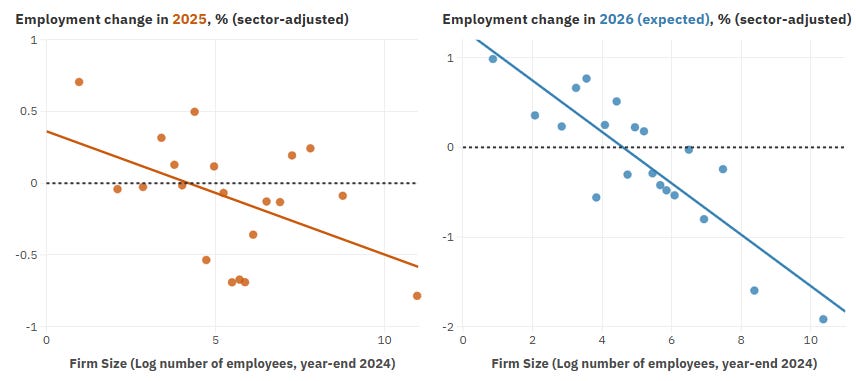
Hiring is the hardest part of the redesign this article is about.
Every point below comes back to one thing:
Getting the right people into the right seats as roles change.
That is exactly the problem Jack and Jill solves, from both sides.
Jill hires for companies. She surfaces pre-matched candidates and sets up warm introductions, and you pay only when someone gets hired.

Jack works for candidates. He scans 15 million jobs a day, learns what a genuine step up looks like for you, and introduces you straight to hiring managers.

▫️ 287,000+ professionals already working with Jack
▫️ Free for candidates, with coaching, mock interviews, and salary benchmarks included
▫️ 30 hours saved on average versus a traditional search
Whether you are hiring or looking, one link gets you started:
Table of Contents
The Assumption Underneath All of It
What the Surveys Actually Found
The Pattern That Has Repeated Every Time
What Is Changing Inside Companies Right Now
The Decisions That Follow From This
1. The Assumption Underneath All of It
The entire AI job apocalypse argument runs on a single premise: there is a fixed amount of work in the economy. Once AI takes a portion of it, that portion is no longer available for people.
Economists call this the lump-of-labor fallacy. It has been tested against every major wave of labor-displacing technology for two hundred years. It fails every time, not occasionally, not in most cases, but consistently, across different countries, different industries, and different time periods.
The intuition feels airtight. A machine performs a task. The person who performed it is no longer needed for it. Multiply that across enough tasks and enough machines, and the arithmetic appears to hold. What it omits is how economies actually respond to efficiency gains. When technology makes labor more productive, costs fall. Output rises. Demand expands into things that didn’t previously exist. That demand generates work that also didn’t previously exist.
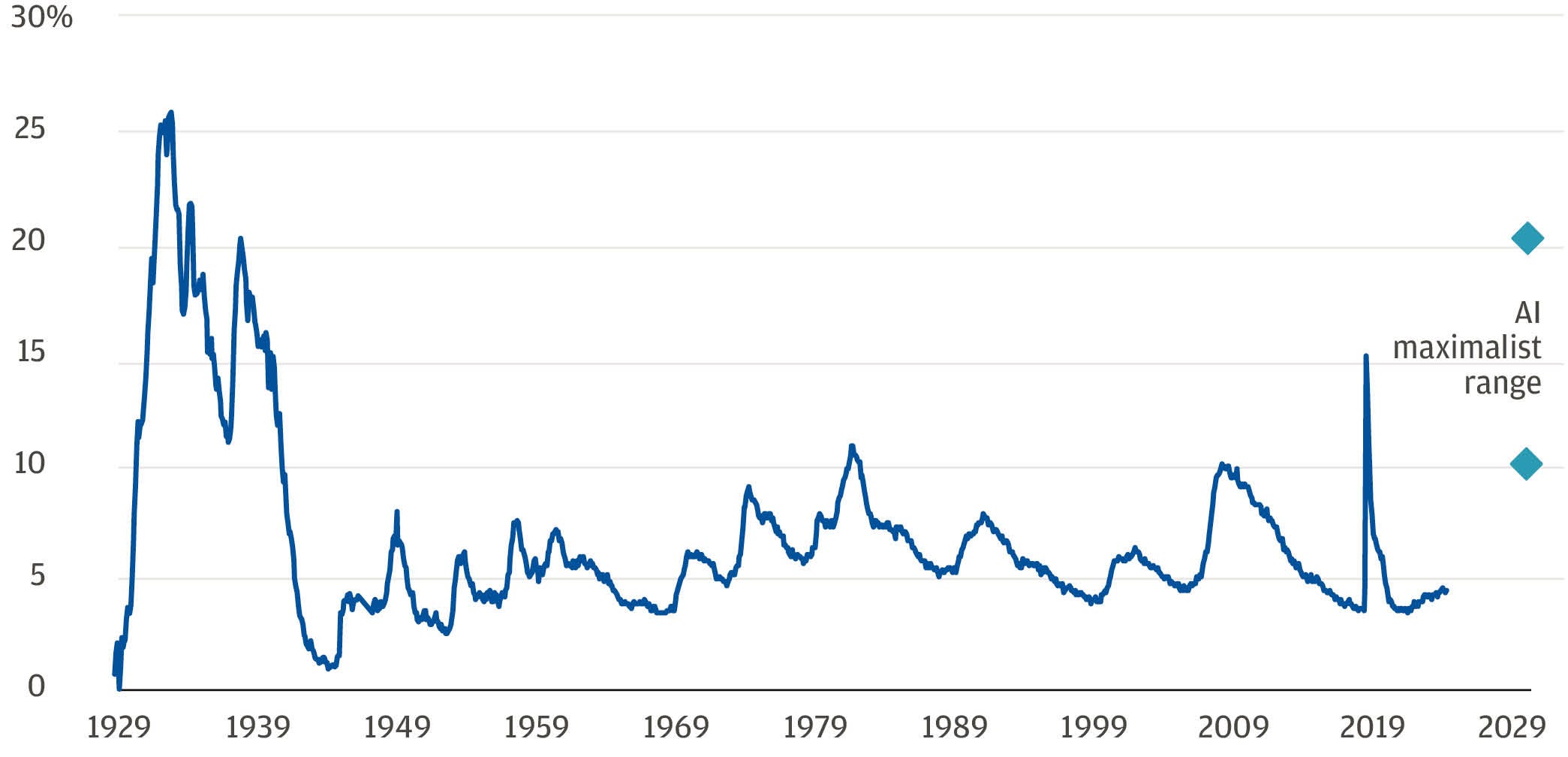
The total pool of work does not shrink. What changes is where the work is, and who is doing what inside it.
2. What the Surveys Actually Found
The predictions have been running for three years. There is now enough data to evaluate them directly.
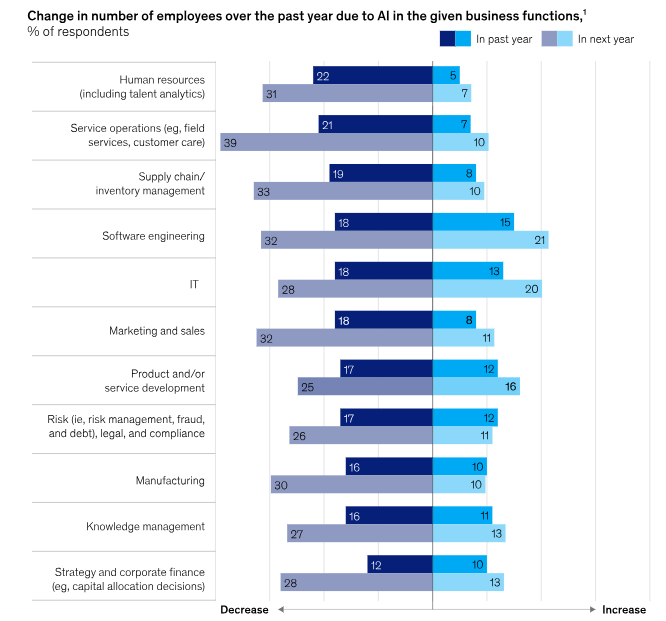
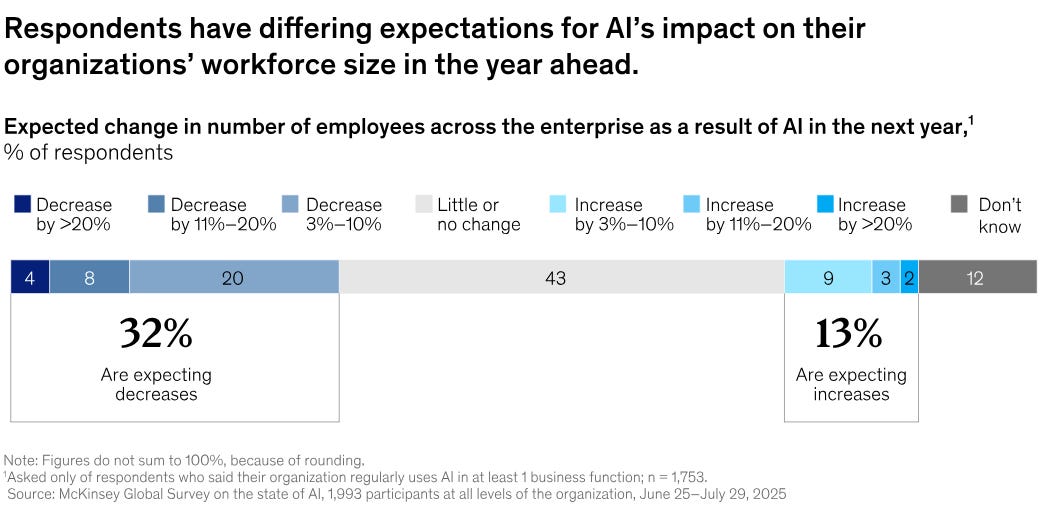
The Atlanta Fed surveyed U.S. firms on AI’s employment impact. Over 90% reported no change in headcount after three years of AI adoption. A Census Bureau survey found that only 5% of AI-using companies reported any headcount change at all, and that 5% split almost evenly between firms that grew headcount and firms that reduced it. The Yale Budget Lab published consistent findings in April 2026. NBER working paper 34984 reached similar conclusions from a different methodology.
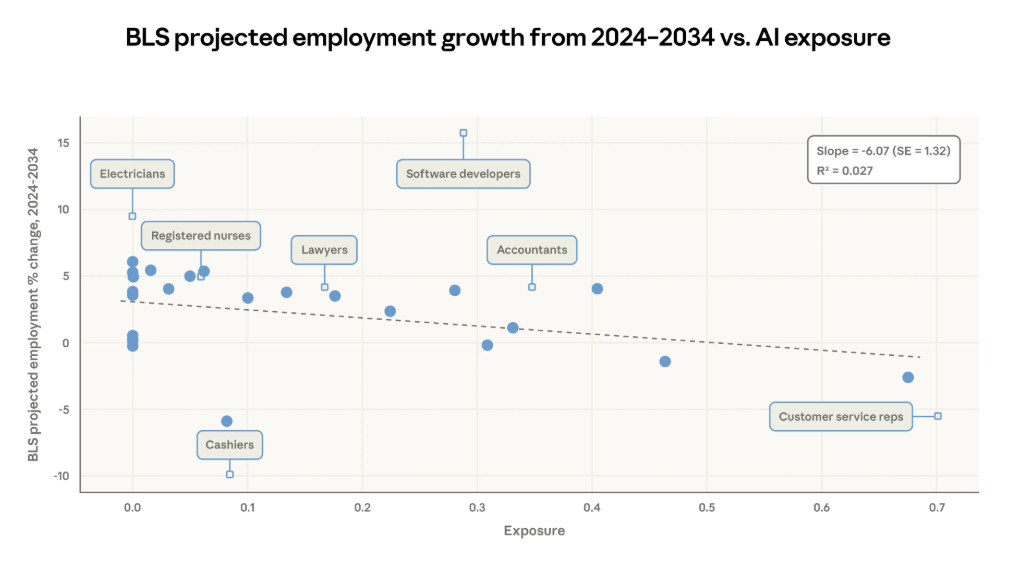
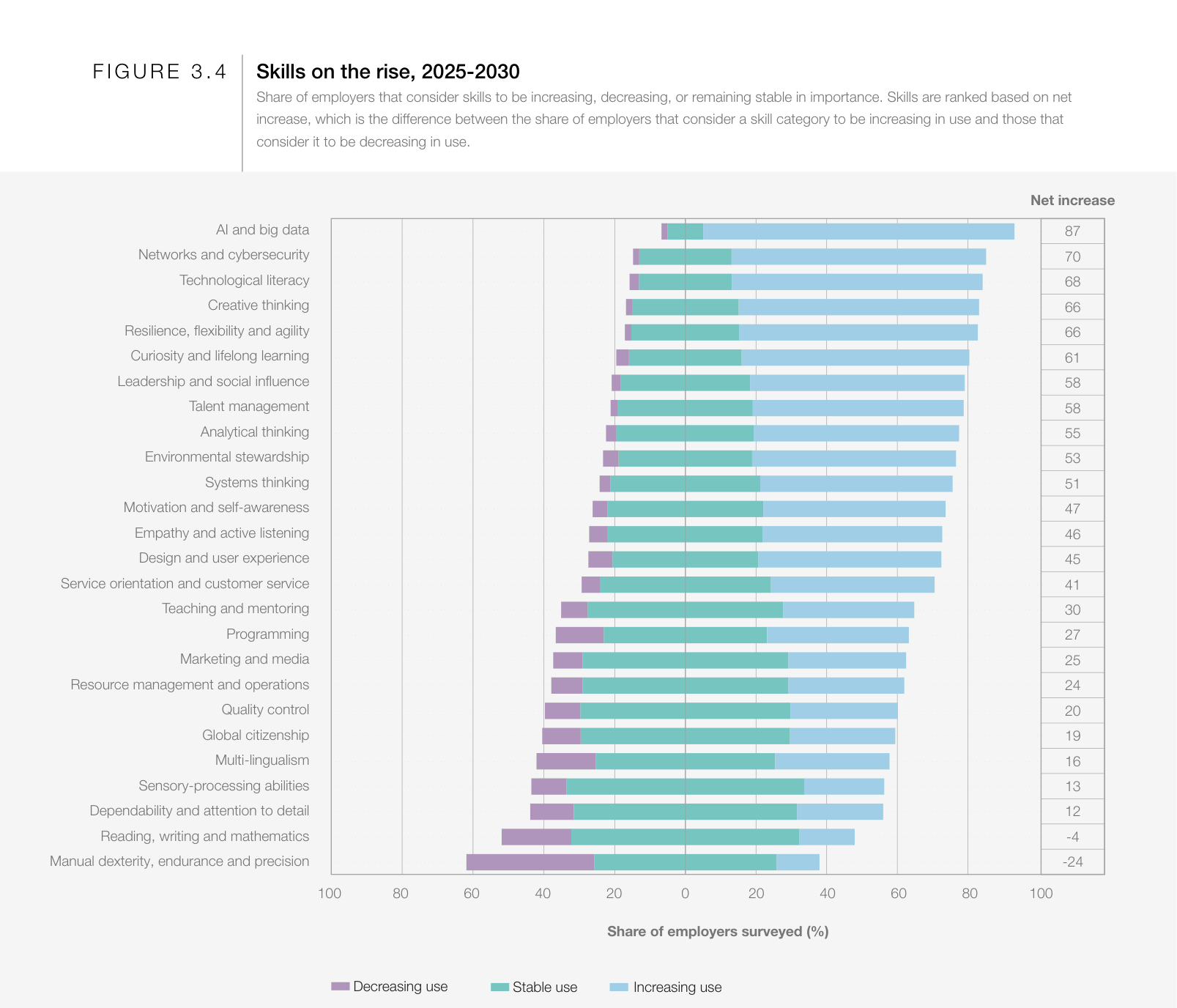
What the data shows is not mass displacement. It is task reallocation happening gradually inside companies, with most of the visible change occurring at the role level rather than the headcount level. The number of people is not changing. What those people are being asked to do is.
Founders, this is your hiring signal. The work is shifting toward roles that own the judgment AI cannot make yet. Filling those seats is where Jill helps.
She brings you pre-matched candidates and warm introductions, and you pay only when someone gets hired.
Stable headcount is not the same as no change. The surveys capture the number of employees. They do not capture what is happening to the nature of the work those employees are doing. A stable employment number with rapidly shifting role content is evidence that the change is operating at a different layer than the headlines describe, and that most companies haven’t updated how they think about the jobs they already have.
3. The Pattern That Has Repeated Every Time
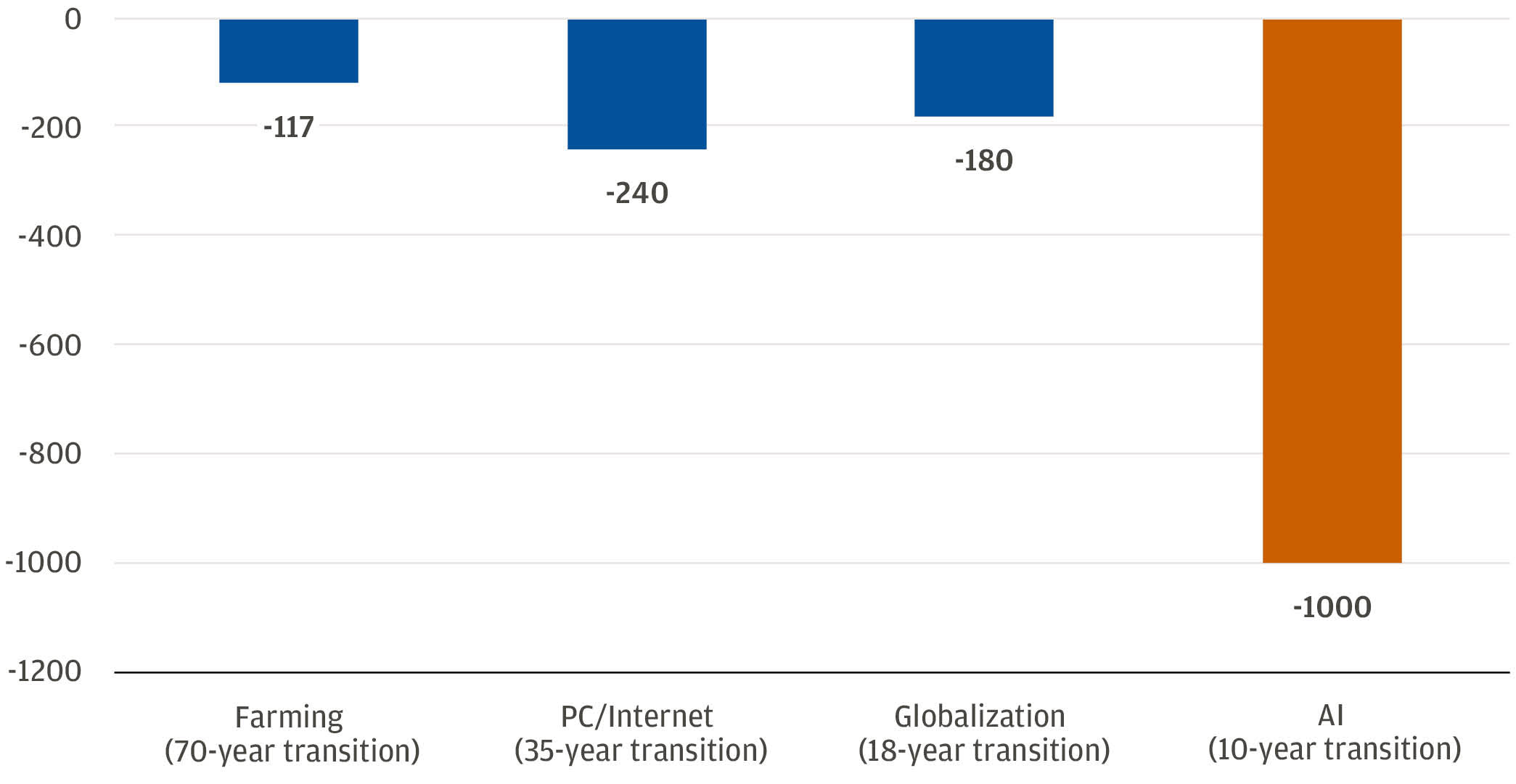
The mechanism George points to at a16z is not unique to AI. It has shown up in every major shift in how productive work gets done, and the structure of each episode is similar enough to examine directly.
Agricultural employment in the United States fell from roughly a third of the workforce to under 2% over the twentieth century. The people who left farming did not become permanently unemployed. They moved into manufacturing, service industries, healthcare, and eventually technology. Each wave of agricultural efficiency created the economic conditions for the next wave of demand elsewhere. The work did not disappear. The location of the work changed.
Electrification reshaped manufacturing in ways that destroyed certain trades while creating new ones that had no prior name. Spreadsheets automated repetitive accounting tasks and produced, within a generation, an entirely new class of financial analysis work with no prior equivalent. The tools that reduced the need for manual data entry expanded the demand for people who could interpret and act on the data those tools now made available. The pattern in each case is the same: efficiency at the task level, expansion at the economy level.

The argument that AI automates cognitive work and is therefore a different kind of disruption is also the same argument that was made about each prior wave from inside that wave. The people who made it were not stupid. They were correctly observing what was happening at the task layer and incorrectly assuming it would stay there.
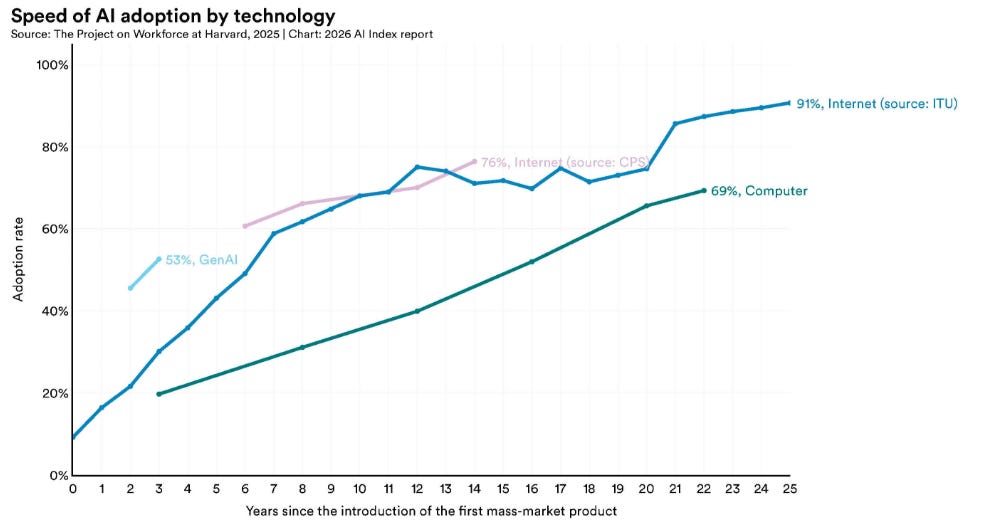
4. What Is Changing Inside Companies Right Now
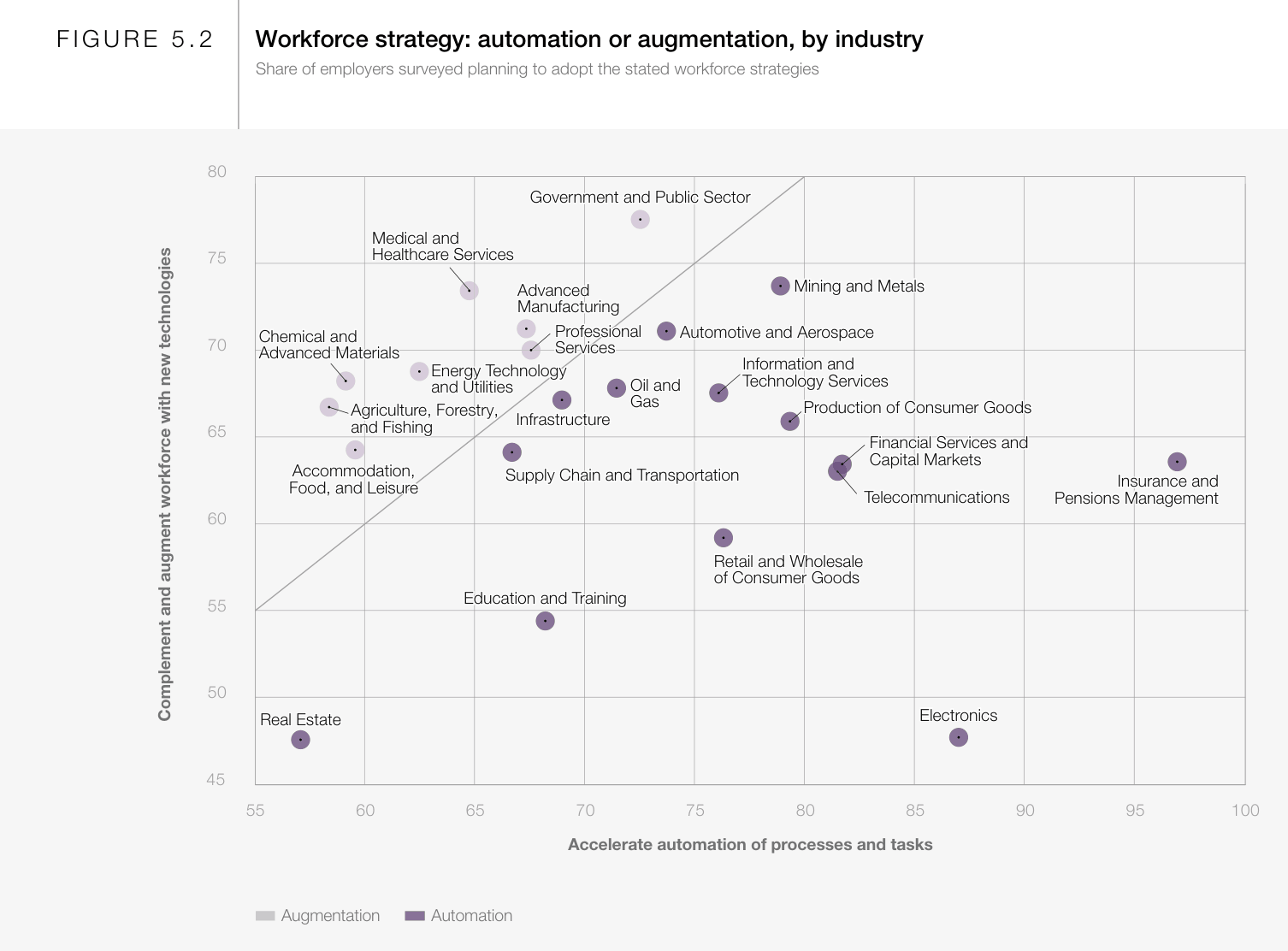
The surveys show stable headcount. They also show that the nature of work is changing faster than job titles reflect. That gap between what the title says and what the job actually requires is where most of the real management problem lives right now.

A recruiter at a company using AI tools today is not doing the same job as a recruiter two years ago. Repetitive screening work has compressed. Strategic and relational work has expanded. The title is the same. The actual scope is not. The same pattern runs through legal departments, finance teams, and operations functions. Lawyers are being asked to review and validate AI output rather than produce first drafts. Finance teams are moving from assembling data toward interpreting it and supporting decisions that require judgment.
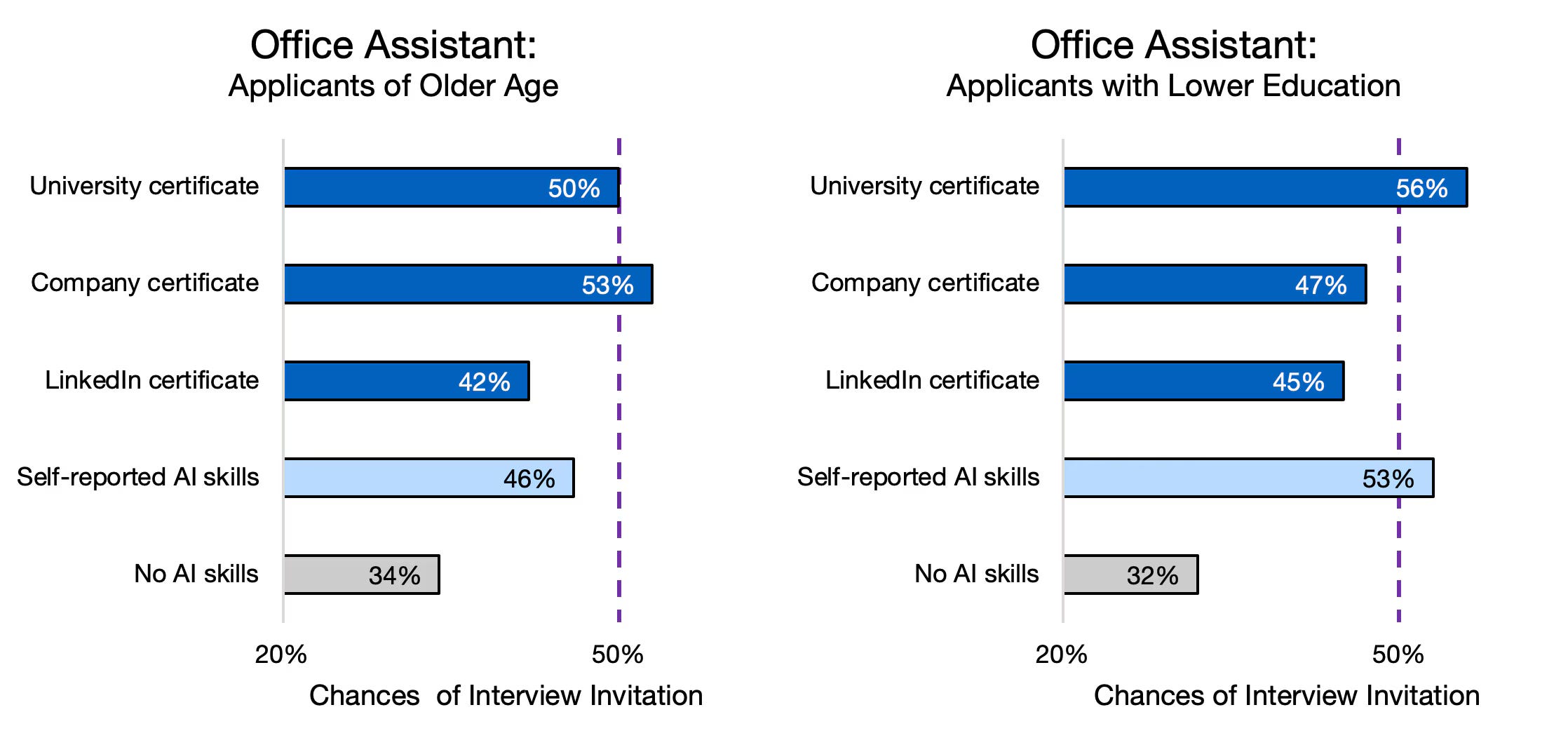
The task content of most roles has changed in the past two years. The official description of those roles, in most cases, has not.
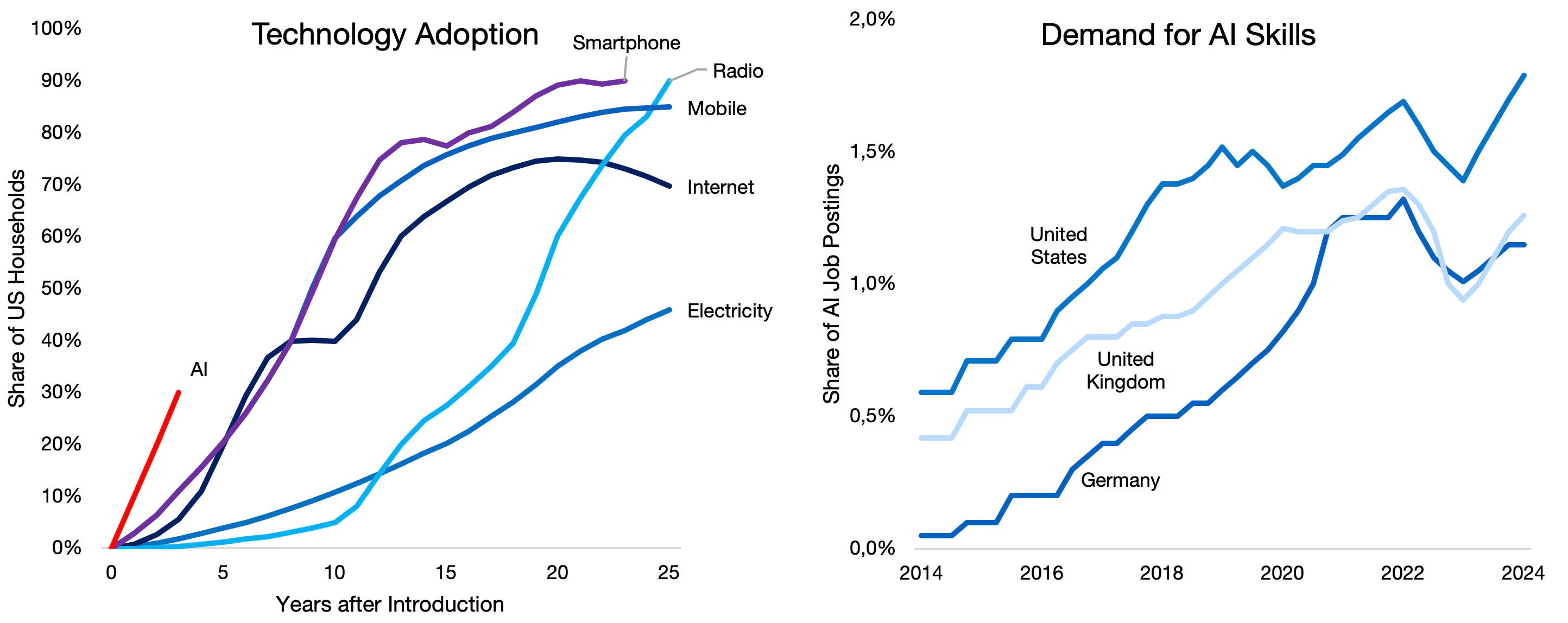
Companies treating AI adoption as primarily a headcount reduction exercise are solving the wrong problem. The output available per person has expanded. The question of who owns the judgment calls the tools cannot yet make, and how to build a workflow around that, is the one most firms haven’t answered. Most firms have updated their tech stack. Almost none have updated the job description that goes with it.
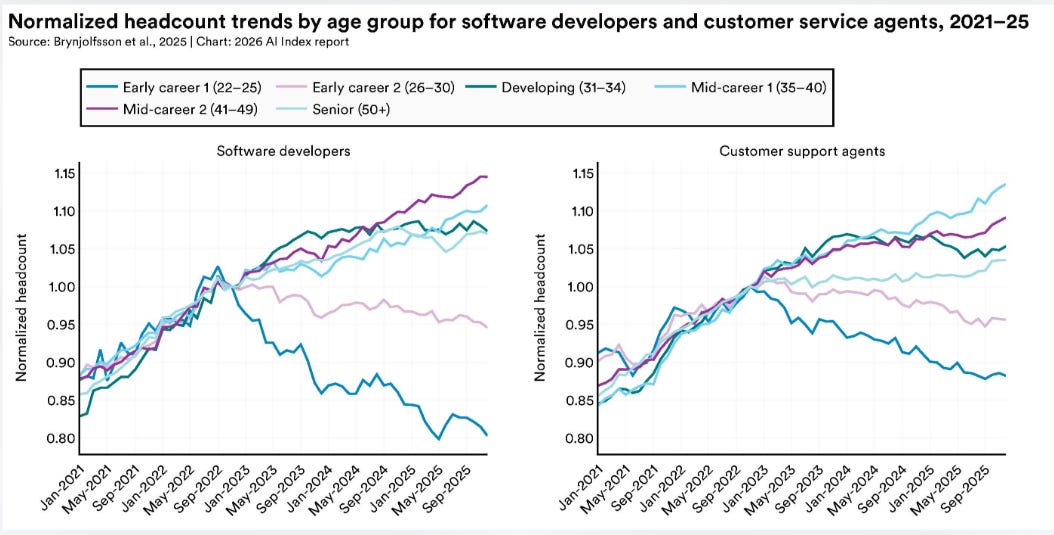
If you are early in your career and feeling this shift, this is where an agent like Jack earns its place.
He scans every job daily and introduces you directly to hiring managers, so you land in front of the person deciding instead of the bottom of an application pile.
5. The Decisions That Follow From This
Founders are asking how many people to hire. That is the wrong question. A team that has thought carefully about what AI handles and what people own will outperform a larger team that hasn’t. Roles need to be designed clearly enough that responsibility doesn’t fall through the gaps between what the tool does and what the human is supposed to catch. Get that architecture right. The headcount number follows from it.

Operators are sitting on a role definition problem most haven’t named yet. People are carrying larger scope than their current description captures, and that misalignment shows up in compensation, in hiring, in how performance gets evaluated, and in how the team understands its own work. Fixing it does not require eliminating positions. It requires rewriting them to reflect what AI adoption has actually changed about the day-to-day.
Investors watching headcount cuts as the primary signal are watching the wrong number. Companies that treat efficiency as a strategy tend to reduce the capabilities that are hardest to rebuild later. The more useful signal is which companies are generating more output per person while keeping the human judgment the tools cannot yet replicate. That gap is already visible in the teams that have treated role redesign as a real operational problem.
The companies that took the role redesign problem seriously will look, five years out, like they saw something that was always obvious in the data. The ones that didn’t will have spent those years running the same org chart through better software and wondering why the gap kept widening.
The headcount data is the real tell, but it undersells how this feels from the hiring side. I'm on the buying end of engineering talent in LATAM, and the inbound now describes a role that AI already compressed, the CV still maps to the title, not to what the work became. The gap surfaces on the first depth question: the "senior" who owns a system on paper freezes the moment you ask what breaks under load. Stable headcount isn't stability. It's role-definition debt, and most orgs are paying interest on it without having named it.
This is well put. Good operators turn judgment into routines so the business does not depend on one person remembering everything.