

The Current Debate Over Work Culture
Few topics spark as much debate in startup circles as how many days a week you should work. Some swear by the grind. The seven days - no breaks type of grind. They argue that it’s the only way to outrun competitors and build something massive. Others say that kind of schedule is a straight shot to burnout, and that smarter, balanced routines ultimately win…
Brought to you by Sintra - Your employees, on AI
Do you struggle with keeping track of social media, tracking and responding to all the emails you get, and updating your website with all your offerings?

Sintra’s AI Helpers can simplify your business without costing an arm and a leg. Whether it’s managing your social media calendar, sending and responding to emails, or coordinating and executing your website updates, Sintra’s AI Helpers can be personalized for your business.
Use code VCCORNER and get 70% off❗
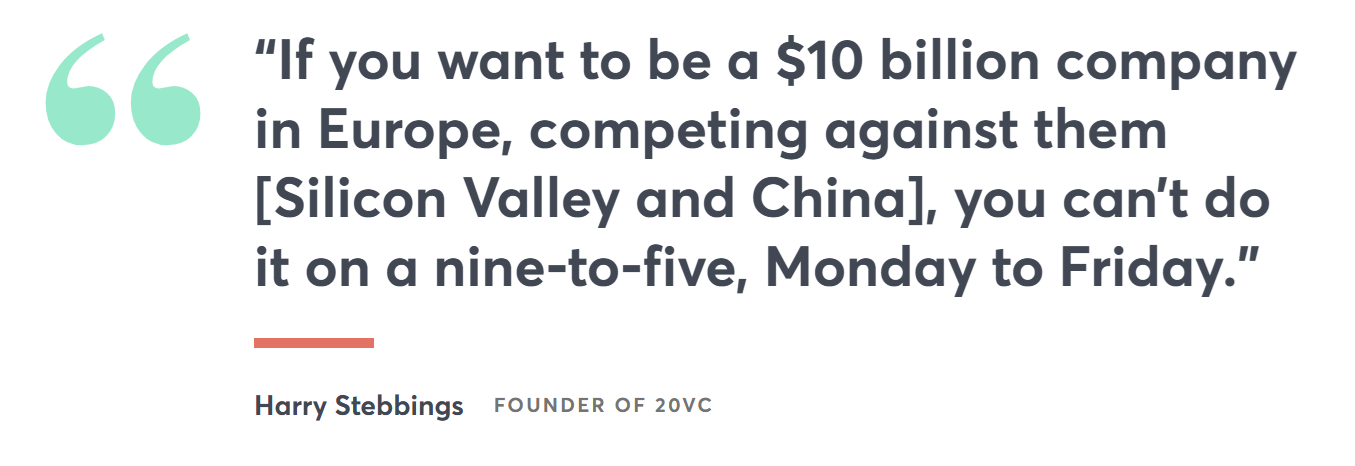
The argument has been around forever, but it’s flared up again this year. Harry Stebbings, the man behind 20VC, threw gasoline on the fire when he wrote that trying to build a billion-dollar company on a 9-to-5, Monday-to-Friday rhythm was “delusional.” His take lit up LinkedIn and X. He was applauded by those who see hustle as the ultimate advantage, and blasted by those who see it as toxic and shortsighted.
And it’s not just VCs weighing in. Operators like Reid Hoffman have pushed back hard, saying founders who brag about having no work-life balance aren’t proving grit. Instead, they’re proving that they don’t understand what it takes to build sustainably. For him, the flex isn’t how many hours you log, it’s whether you’re still sharp enough to make the right calls years into the journey.
That leaves today’s founders in a tricky spot. Do you lean into the 7-day hustle, or do you try to build on a steadier 40-hour cadence?
It’s more than a personal preference. The choice will affect your culture, impact hiring, and can make or break the long-term health of your company.
Table of Contents
1. Why Round-the-Clock Work is Seen as an Advantage for Startups
2. Measuring the Impact of 7-Day Work Cycles
3. High-Velocity Alternatives to the 7-Day Week
4. How Incubators and Accelerators Influence Work Culture in Startups
5. The Impact of Toxic Work Culture in Startups
6. Linking the 7-Day Work Debate to the Future of Startups
1. Why Round-the-Clock Work is Seen as an Advantage for Startups
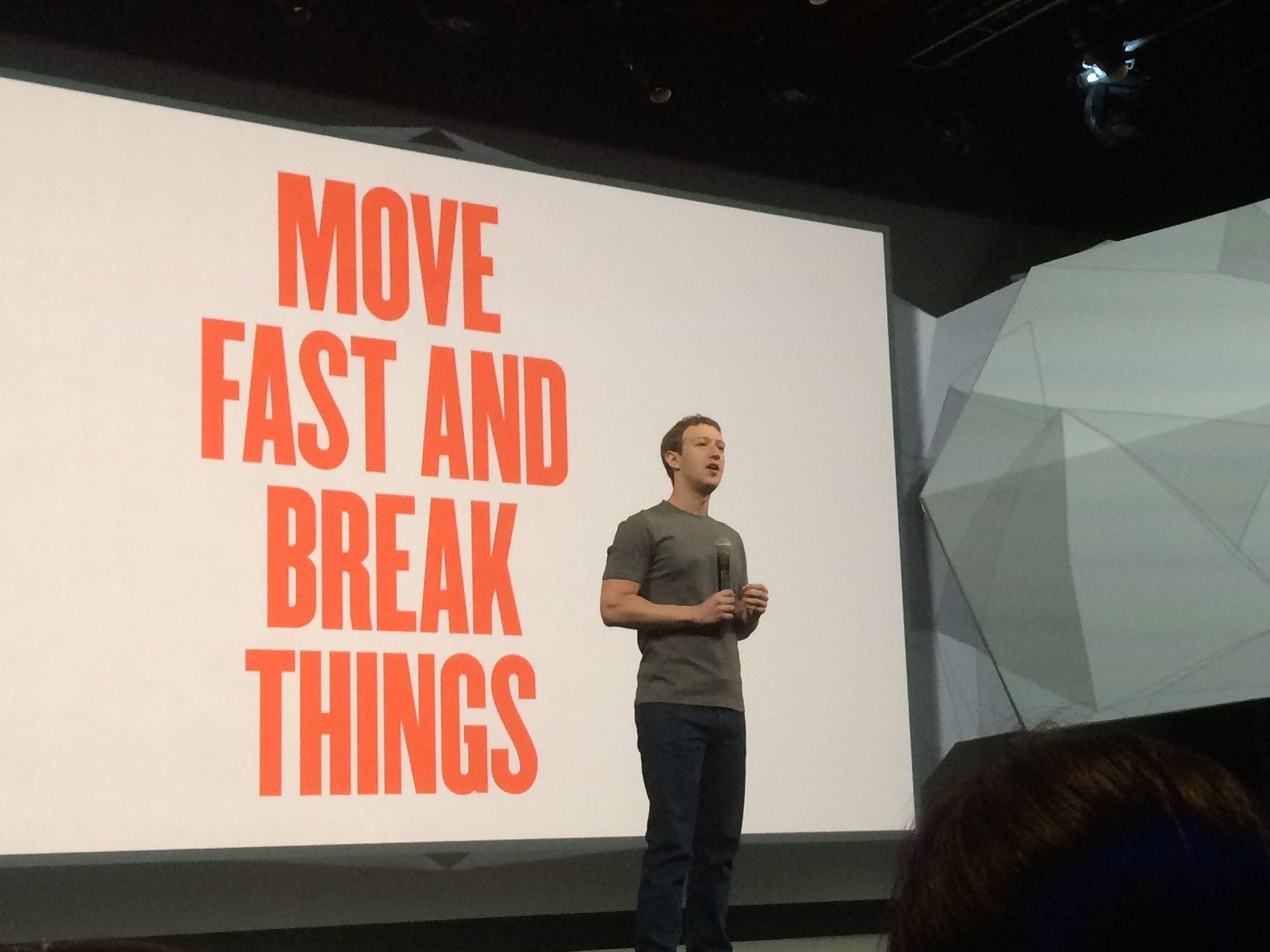
For those who defend seven-day workweeks, the argument is simple: speed matters more than balance. After all, the motto has always been “move fast and break things.”
In their view, every extra hour poured into the company is another step ahead of the competition, and early-stage startups can’t afford to coast. From this perspective, long weeks aren’t a flaw in startup culture, but a feature.
Rapid Growth and Outpacing Competitors
Supporters often frame extreme schedules as the only way to break away from the pack. Founders like Daksh Gupta of Greptile and Aadit Palicha of Zepto would spell it out to new hires.
Palicha is famously blunt about the expectations inside his company: “I have nothing against work-life balance. In fact, I recommend it to all our competitors.”
The logic is that if rivals are putting in five days while your team is putting in seven, the gap in velocity becomes impossible to close.
Personal Growth and Stronger Work Ethic
Another case made for relentless hours is that they accelerate personal development. The belief here is that immersion forces sharper skills and faster learning curves.
When someone spends 60 or 70 hours a week inside a startup, they’re going beyond just doing their job. At that point, they’re compounding experience at a rate that might take years in a traditional role. To champions of this approach, the grind becomes a training ground for becoming exceptional.
Filtering for “Serious” Talent
There’s also an exclusionary angle. Advocates argue that long workweeks naturally screen out people who aren’t fully committed. By demanding 60+ hours, startups implicitly filter out candidates with family obligations, health needs, or stronger preferences for balance.
To some leaders, this is intentional. They want teams where everyone is all-in, free of what they see as “distractions” outside the mission.
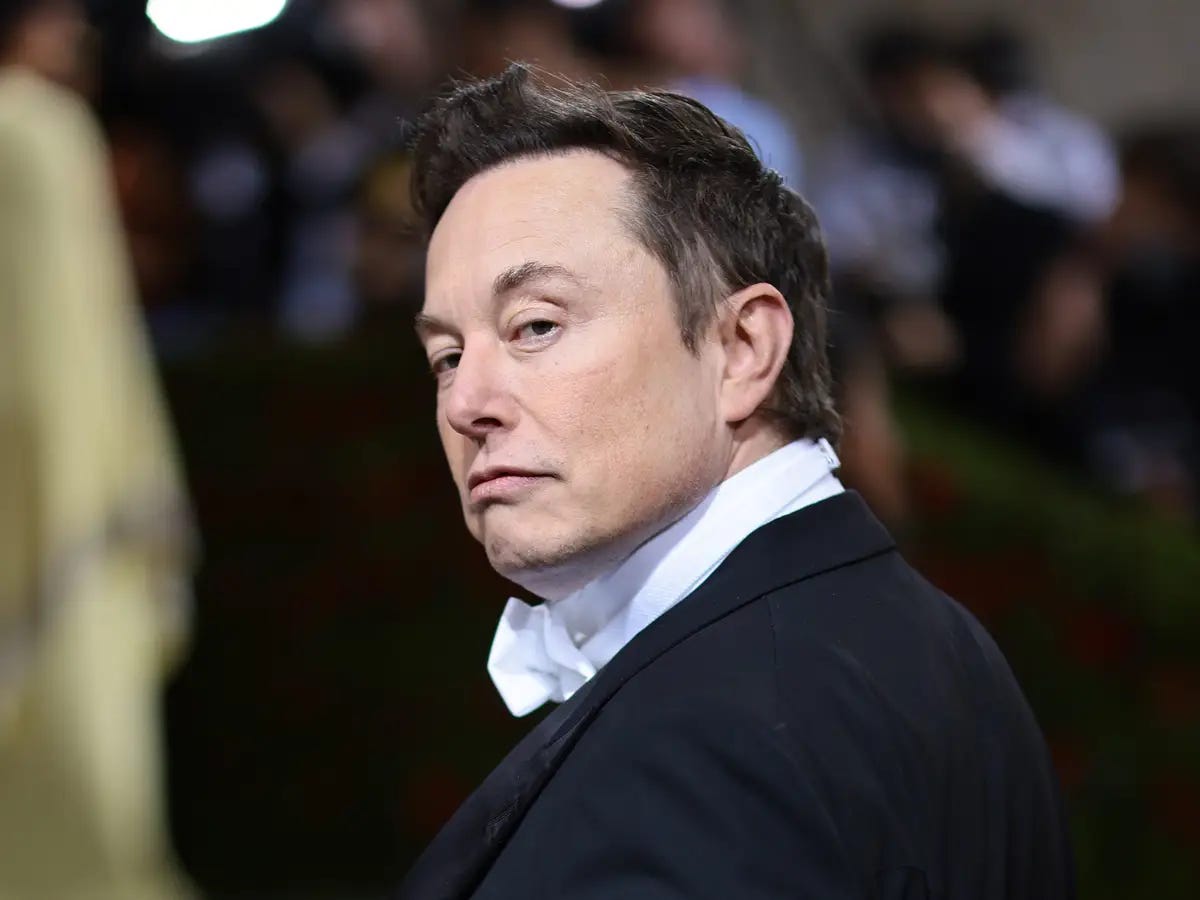
Elon Musk is a prime example. At X, Tesla and SpaceX, he’s famous for hiring only the most exceptional people, and then expecting them to operate at the edge of their abilities. The logic is that if you fill a company with A+ players who can push harder, longer, and sharper than anyone else, you multiply the odds of building something world-changing.
Matching a Global Work Ethic
Finally, defenders often point beyond their own companies to make the case. They point to countries where intense work cultures are the norm and argue that startups must keep pace globally.
S.N. Subrahmanyan, chairman of Indian conglomerate L&T, recently cited a conversation with a Chinese businessman who told him: “We will beat America anytime, because Americans work 50 hours a week, while we work 90.”
For those in this camp, the takeaway is clear: if your competitors around the world are grinding, a lighter schedule is a liability, and not a badge of balance.
2. Measuring the Impact of 7-Day Work Cycles
When it comes to the supposed benefits of working seven days a week, most of the evidence is anecdotal.
Founders and investors often talk about “hyper-growth velocity” or “outpacing the competition,” but hard numbers tying nonstop schedules to productivity gains are scarce. The belief that long hours equal big outcomes is more of a cultural mantra than a data-backed fact.
The Productivity Paradox
Academic research paints a very different picture. Stanford economist John Pencavel studied the link between hours and output and found that productivity per hour drops steeply once someone crosses about 50 hours a week. In fact, after 55 hours, the curve flattens so much that putting in more time is essentially pointless.
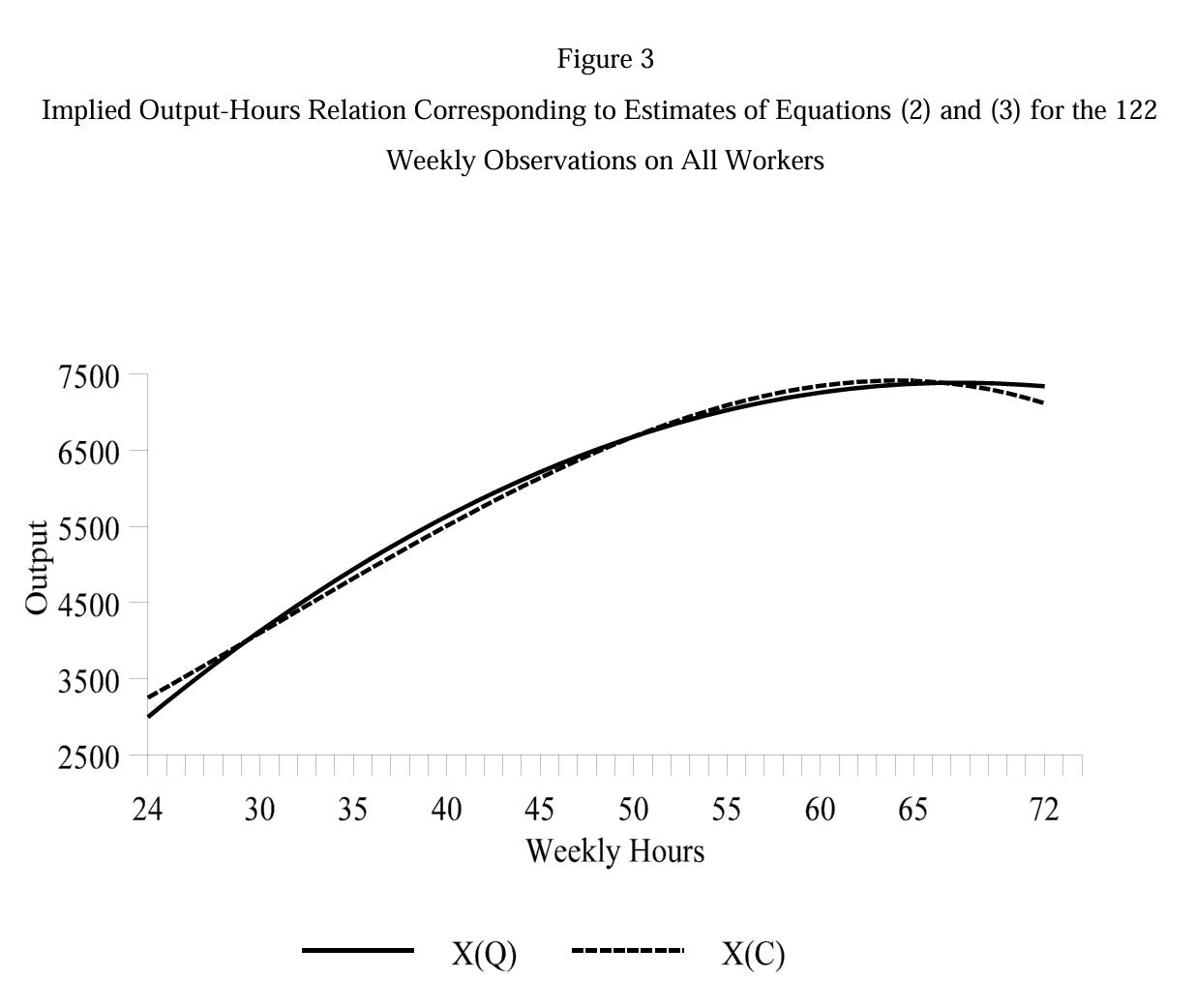
In other words, an employee working 70 hours gets no more done than someone working 55. What feels like “hustle” on paper can actually be wasted energy in practice.
Health and Burnout Costs
The human toll is even clearer. Continuous overwork is tied to a laundry list of health risks such as burnout, stress-induced brain fog, high blood pressure, and higher chances of serious conditions like coronary artery disease and stroke.
These don’t just harm individuals, they also show up in the company’s bottom line as reduced creativity, emotional detachment, higher absenteeism, and ultimately higher turnover. A founder or team that looks unstoppable in year one can be running on fumes by year three.

Evidence from Shorter Work Weeks
The flip side is that reducing hours can actually improve output. When Microsoft Japan trialed a four-day workweek in 2019, they reported a 40% jump in productivity.
In Iceland, large-scale experiments between 2015 and 2019 covered more than 2,500 workers who cut their schedules from 40 hours to 35 or 36 without a pay cut.
More recent global trials have reported similar findings. In 2025, researchers followed nearly 2,900 workers across six countries who changed to four days a week with no pay cut. After six months, 67% reported lower burnout, 41% said their mental health improved, and 38% experienced better sleep.
These trials demonstrate that the relationship between hours and output isn’t linear. Sometimes, less really does produce more.
What It Means for Startups
Now such data complicates the picture, especially for startups. The logic of round-the-clock work is easy to grasp; early companies are fragile, and speed matters. But if those extra hours come at the cost of judgment, health, and team stability, then the advantage is short-lived.
The challenge isn’t proving you can work seven days a week, it’s designing a rhythm that delivers consistent, compounding results without burning out the people building them.
3. High-Velocity Alternatives to the 7-Day Week
Work-life balance gets tossed around like it’s a luxury, but at its core it’s just about how you divide your time between work and the rest of your life.
For some, balance means logging off at 17:00 and being fully present with family. For others, it might mean working a few hours every day, weekends included, but still finding time to run, read, or just breathe.
The point is that there isn’t a one-size-fits-all formula. Balance looks different for everyone.
That doesn’t mean founders and teams have to choose between speed and sanity. Over the past few years, new “high-velocity” models have started to gain traction; approaches that let teams push hard without burning out.
And don’t worry. These approaches won’t force you to sacrifice your ambition. They’re about creating rhythms that keep people sharp enough to sustain it.
The Four-Day Work Week
As we’ve seen in the examples above, this approach has been tested more than any other. Some companies compress the usual 40 hours into four longer days. Others cut the hours entirely and keep pay the same. Either way, the effect is the same: sharper focus and real recovery time.
It’s gone mainstream enough that Belgium passed a law giving workers the right to request a four-day week. In the UK’s recent trial, nearly nine out of ten companies said they were likely to keep the shorter week after finding productivity held steady or even improved.
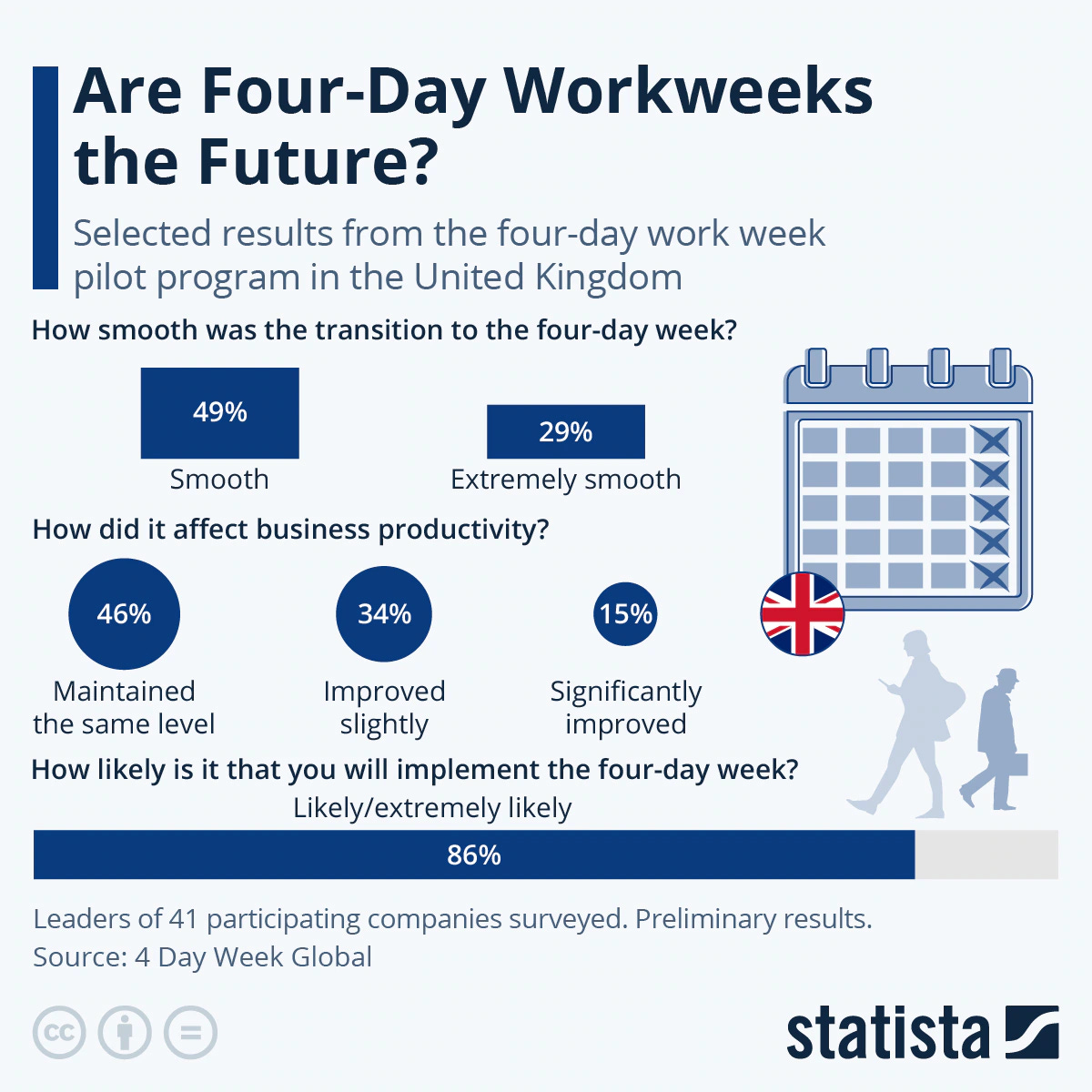
The takeaway for founders is that speed doesn’t have to mean slogging through all seven days.
Flexible and Staggered Schedules
Not everyone does their best thinking between 09:00-17:00. Some people (and genetics proves it!) are morning sprinters. Others get in flow late at night.
Flexible schedules let teams work when they’re at their peak instead of forcing everyone into the same mold. It’s especially powerful for remote teams, where “office hours” don’t really mean much anymore. Done right, it keeps energy high and avoids the drop off that comes from working against your natural rhythm.

Shorter Workdays
Then there’s the five-hour workday experiment. The thinking here is straightforward: most people aren’t truly productive for eight hours anyway.
By trimming the day, you force focus at the right time. Meetings get tighter. Distractions shrink. The work that matters actually gets done, and people leave with gas still in the tank. For founders trying to squeeze maximum output from small teams, that can be a game-changer.
Why These Models Stick
None of these ideas reject intensity, they just change its shape. Instead of a culture where “always on” is the badge of honor, these models create cycles of push and pause. The upside is that teams stay sharper, founders make better calls, and the culture you’re building doesn’t collapse after three brutal years.
4. How Incubators and Accelerators Influence Work Culture in Startups
Incubators and accelerators are designed to give early-stage startups a taste of momentum. They provide capital, mentorship, networks, and sometimes even office space. But they also shape the culture founders adopt, often acting as pressure multipliers rather than cushions.
When you enter one of these programs, the expectation is clear: this isn’t a 9-to-5 job, but more of a lifestyle. Employees are pushed into 50–60 hour weeks, while founders themselves routinely log 60–100.
The Grindset Mentality
Inside these environments, “hustle culture” is something that’s widely celebrated. Long hours and all-nighters are treated as proof of commitment. The “grindset mentality” becomes a badge of honor.
And with that comes an unspoken rule: you’re always on. Rest starts to look like weakness, and anyone who tries to unplug risks being seen as less serious. This is how a healthy drive for speed can morph into what many now call toxic hustle culture.
Remote Work and Blurred Boundaries
The shift to remote-first models has only intensified the problem. On one hand, going remote has massive benefits such as access to global talent, reduced costs, and flexibility. On the other hand, it erases the physical boundary between office and home.
Founders and employees both find themselves checking Slack at midnight, joining late-night investor calls, and treating weekends as overflow for the week. The line between work and life dissolves, and “switching off” becomes harder than ever.
Founder Passion and Its Double-Edged Sword
For founders, the pressure ends up becoming personal. They’re often deeply in love with the problem they’re solving and have bet everything on making it work. That passion fuels relentless effort, but it also makes stepping back feel impossible.
When the stakes are survival, which means that your savings, your reputation and your investors’ money are on the line, then the instinct is to keep pushing, no matter the cost.
But the risk is obvious: if the venture fails, the personal fallout is magnified by years of nonstop sacrifice.
Investor Expectations
Layer on top of this the promises made to employees and investors. Teams join because they believe in the vision. Boards and VCs back the company expecting extraordinary outcomes.
That dynamic creates another source of pressure as founders feel they owe it to everyone to be all-in, all the time. In some venture-funded companies, boards explicitly scrutinize how much time founders are putting in, as if hours alone were the metric for success that investors care about.

It’s a dynamic that keeps leaders chained to the grind, often long past the point of diminishing returns.
5. The Impact of Toxic Work Culture in Startups
Toxic work culture doesn’t just drain the people inside a company, it also changes who shows up in the first place.
Gatekeeping Through Hours
When a startup sets extreme hours as the baseline, it’s basically saying: this isn’t a place for anyone with a life outside work.
Caregivers, people managing health challenges, or even talented operators who simply value balance, all get filtered out. What’s left is a narrow slice of the talent pool; often younger, often less diverse, and not always better.
The irony is that a culture designed to screen for “commitment” often screens out exactly the kind of perspective and resilience that helps a startup survive.
Turnover and Reputation Costs
Even for those who do sign up, toxic cultures rarely keep people for long. In fact, research has shown that employees are ten times more likely to quit because of toxic culture than because of pay.
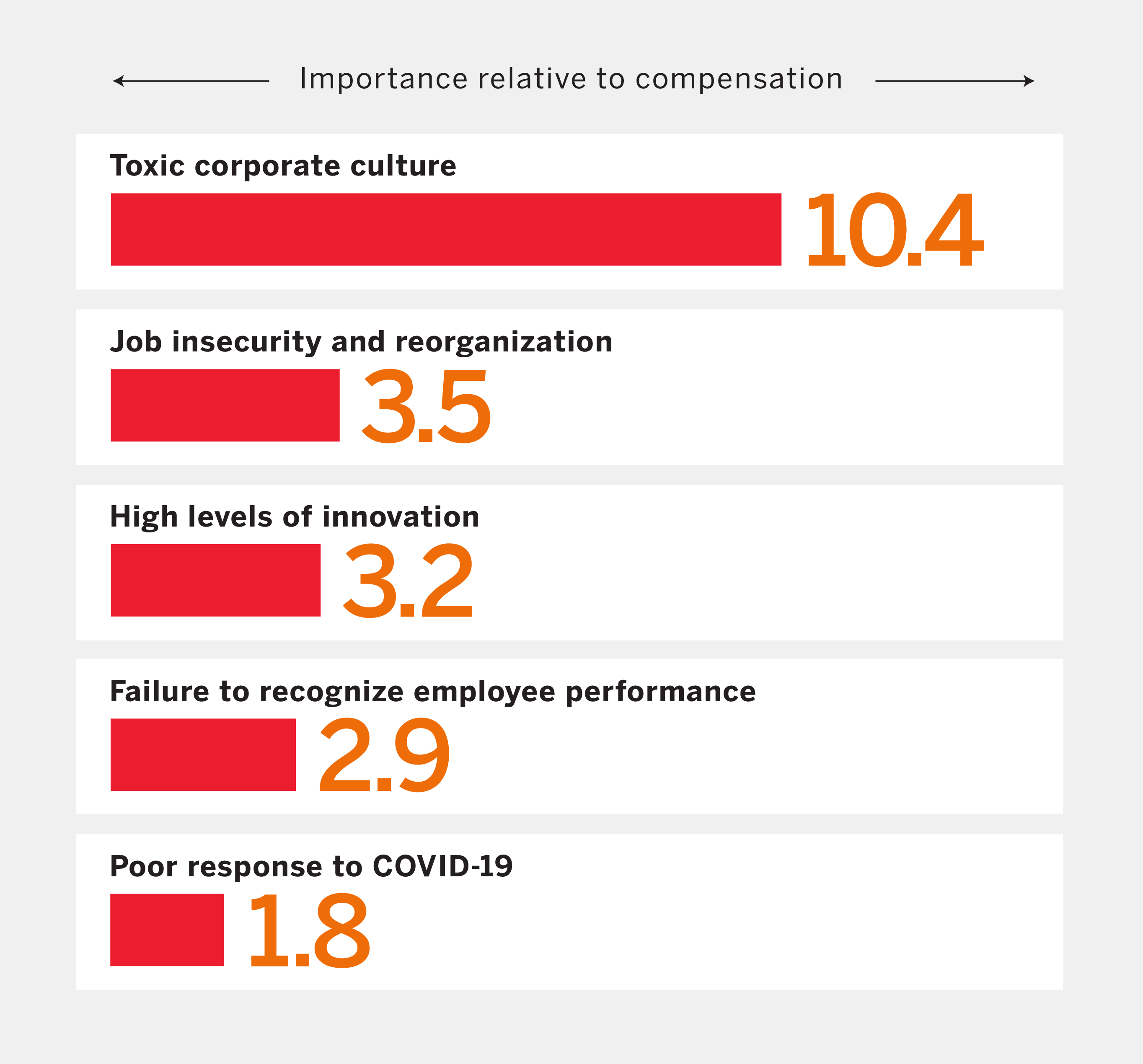
And then, every exit comes with the costs of lost knowledge, recruiting expenses, onboarding delays and so on. Over time, those costs pile up, and the company starts to earn a reputation.
Once word spreads that your startup chews people up, the strongest candidates won’t even consider applying. Younger workers in particular put a premium on balance, and they’ll avoid any shop known for burnout.
Founder Mental Health
The pressure lands hardest on the founders themselves. According to reports from late 2024, 42% of business owners experienced burnout a month prior to being asked, while 24% reported that they were currently experiencing it.
Keep in mind, burnout doesn’t always start as collapse. It starts with sleepless nights, constant anxiety, or the nagging belief that if you’re not working, the company is sliding backward. Add in perfectionism, financial strain, and the loneliness of being at the top, and it’s easy to see how even the most passionate founders hit a breaking point.
The Cost of Ignoring Balance
When balance disappears, bad things follow. Judgment gets cloudy. Productivity goes down even as the hours go up. Teams lose confidence when they see their leader unraveling. And sometimes, the consequences are irreversible: health breakdowns, lost companies, or founders who simply don’t make it through. These aren’t dramatic outliers, they’re predictable outcomes of a culture that mistakes exhaustion for excellence.
6. Linking the 7-Day Work Debate to the Future of Startups
The argument over seven-day workweeks has shown us both sides of the startup mindset.
On one end, you have investors and founders who insist that constant hustle is the only way to build billion-dollar companies. On the other, you have seasoned operators and researchers pointing out that this path almost always ends in burnout, bad decisions, and high turnover.
The truth is somewhere in between, but when we talk about the future of startups, the evidence leans heavily toward sustainability.
Yes, there will always be influential voices who champion the grind. Harry Stebbings’ claim that it’s “delusional” to think you can build a billion-dollar company on a 9-to-5 schedule struck a chord with many who believe nonstop effort is the mark of seriousness.
But building an ecosystem around that idea is a dead end. A culture that demands 100-hour weeks may produce short-term bursts of speed, but it’s unsustainable for founders, teams, and ultimately for the companies themselves.
The startups that thrive in the years ahead will be the ones that reframe what high performance looks like.
They’ll build cultures that attract top talent because people know they won’t be ground down. They’ll retain employees long enough to turn early scrappy teams into seasoned operators. They’ll leave space for creativity and innovation instead of squeezing every ounce of energy into sheer output.
And their leaders will have the clarity to make good decisions year after year instead of sprinting through the first two. The target is longevity.
Sustainable growth, stronger talent pipelines, more room for innovation, and smarter leadership. These are the real competitive advantages in a world where capital, talent, and attention are scarce. The future of startups will be written by the ones who build companies resilient enough to last.
I think the startup ecosystem is engineered for most startups to fail. Mostly because startups and the founders are pushed and pushed to go faster and faster so that the investors see returns quicker. And it works for almost everyone in the ecosystem except the founders.
If you look at the way VC’s, investors and accelerators actually make money, it’s not from every startup succeeding, it’s from 1 in a hundred returning all the profits and more. The Power Law demands that only the outliers will make money. The rest will start to lose traction, the ecosystem will ghost them and they’ll end up on the scrap pile of startups going a long way back.
That’s why accelerators will tell their cohort that they are the future leaders of the world, not because they think they will be, but one may, and that’s all they need. If they were to tell the truth, that out of the cohort, only one out two would still be there in two to five years, the young founders (because they are mostly young and impressionable) may see that if they do move fast and break things, the things that will break will be them
"On one end, you have investors and founders who insist that constant hustle is the only way to build billion-dollar companies. On the other, you have seasoned operators and researchers pointing out that this path almost always ends in burnout, bad decisions, and high turnover."
On one end, we have influential people with opinions. On the other, we have science. Just sayin'.
I like the following as a comment:
"We have omitted from this list countless other studies that have shown [decreased productivity] across the board in a great number of fields. Furthermore, although they may exist, we have not been able to find any studies showing that extended overtime (i.e., more than 50 hours of work per week for months on end) yielded higher total output in any field."
Here's the source: https://cs.stanford.edu/people/eroberts/cs181/projects/crunchmode/econ-crunch-mode.html
It's in line with Pencavel's findings.
But hey, being busy *looks* like we're making progress. Also, Zuck's "move fast and break things." So who cares about science, right?
It's just another one of those things where what science says and what we actually do is vastly different (my favorite example is the belief that money motivates).
Hustle culture is not sustainable. It never has been. It tells more about founders'/CEOs' egos than anything else. https://brodzinski.com/2025/08/ai-hustle-culture.html