

Why Elon Musk Keeps Winning
When we try to explain why Elon Musk keeps winning, we usually grab the easiest answers. We say he’s a genius. We call him a contrarian. Or we just shrug and say he’s “relentless.”
Sure, those things might be true. But honestly? They completely miss the point.

The real secret isn’t how well he competes within an industry. It’s how he quietly positions himself before that industry even exists.
He isn’t just running faster than everyone else. He’s moving the starting line while they’re still tying their shoes.
That distinction changes everything. If we look past the endless, polarizing headlines, there’s a fascinating blueprint hiding in plain sight.
Below, we’re going to unpack the actual engine beneath his success.
We’ll explore 3 hidden layers that make his empire work and more importantly, how understanding them can completely change the way you think about building your own competitive advantage.
Before we get into the blueprint:
One of the themes running through Musk’s story is that the people who build the most consequential things are rarely the ones with the most technical credentials. They are the ones who figure out how to build before everyone else realizes building was possible.
Lovable just published a data study that shows this shift is already happening at scale.

The people who used to need a technical co-founder, a development team, or 6 months of runway just to validate an idea are now shipping products by themselves.

That is the same structural shift Musk has exploited repeatedly: move before the category exists, build before the tools exist, and position yourself while everyone else is still waiting for permission.
If you have been sitting on an idea because you cannot code, this is the moment:
My audience gets 10% off. Use the link above
Table of Contents
1. The Person Before the Strategy
2. Get Ahead Before the Race Even Starts
3. How to Win by Narrowing Your Rivals’ Options
4. The Growth Engine That Keeps Building on Itself
5. What the Psychology Makes Possible That Strategy Alone Cannot
6. Why This Cannot Be Copied and What You Can Actually Learn From It
1. The Person Before the Strategy
Most explanations of first principles thinking treat it as a reasoning advantage.
You strip a problem to its physical and economic fundamentals, you see it more clearly and you make a better decision.
That’s true, but it misses what actually makes the method powerful at a competitive level.
What first principles thinking does, at its most consequential, is disconnect you from an industry’s inherited pacing.
When Elon Musk asked what rocket components actually cost in raw materials versus what aerospace suppliers were charging, he wasn’t just being rigorous.
He was refusing to accept the timeline that everyone else had already agreed to.
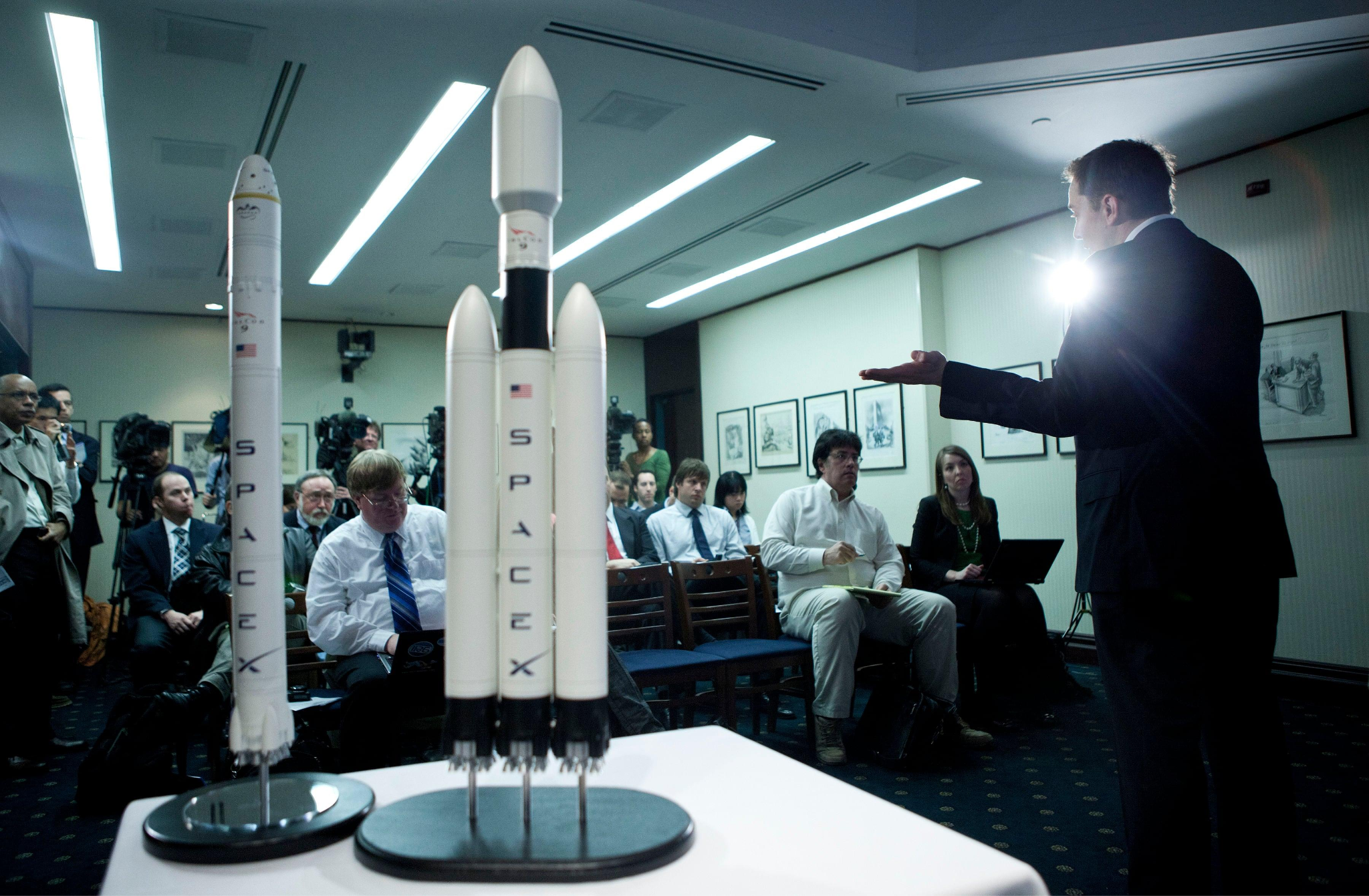
The gap between $65 million and $2 million helped create SpaceX.
But what mattered more was what came before that number.
The refusal to accept the industry’s assumptions about what was possible and when.
After the PayPal acquisition, instead of diversifying, he decided to concentrate.
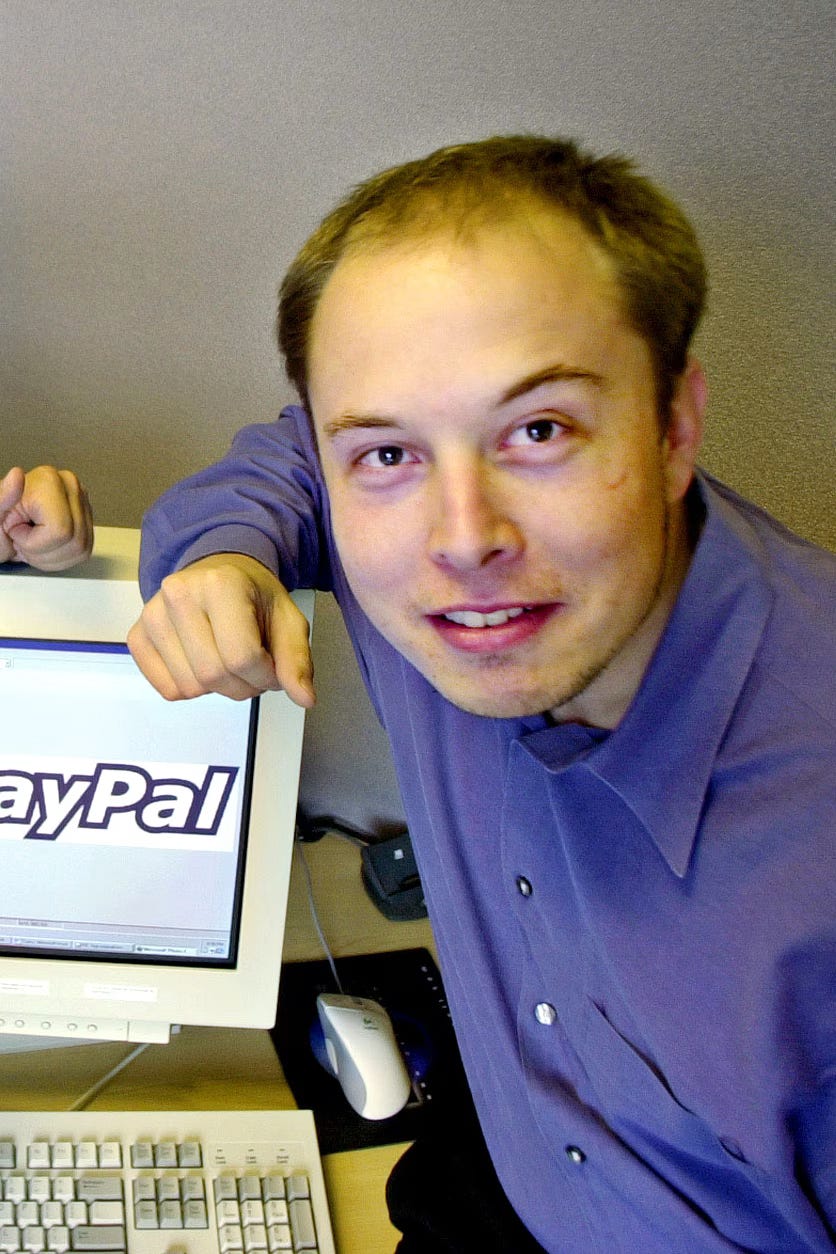
Multiple ventures, simultaneously, each with a genuine probability of total failure.
This gets described as courage, which makes it sound emotional and slightly heroic.
It’s more accurate to call it a fundamentally different internal relationship with loss.
Most people’s risk tolerance is situational. It holds until the stakes become existential, then it collapses.
His doesn’t appear to work that way.
He put essentially everything into Tesla, SpaceX and SolarCity at the same time, all of them approaching insolvency at various points and kept going.
In any competitive environment where the outcome depends on who can hold a position longest, that psychological structure is worth more than almost any strategic insight.
Worth watching: Lex Fridman Podcast #400, a wide ranging conversation with Musk on AI, humanity and how he thinks.
The urgency that doesn’t need managing
There’s a specific quality to how he relates to time that’s worth naming plainly, because it explains a lot about his pace without resorting to mythology.
The future, in that view, is not something that simply happens. It is something that can still be shaped from here.
Waiting does not feel like patience. It feels like losing ground.
So decisions happen faster.
From the outside it can look like speed, but on the inside it is just a reaction to what is at stake.
If you truly believe that humanity might need a backup planet, or that the window for the energy transition is limited, then working at that pace does not require discipline.
It feels necessary. Anything slower would feel irresponsible.
That’s a very different motivational structure from ambition.
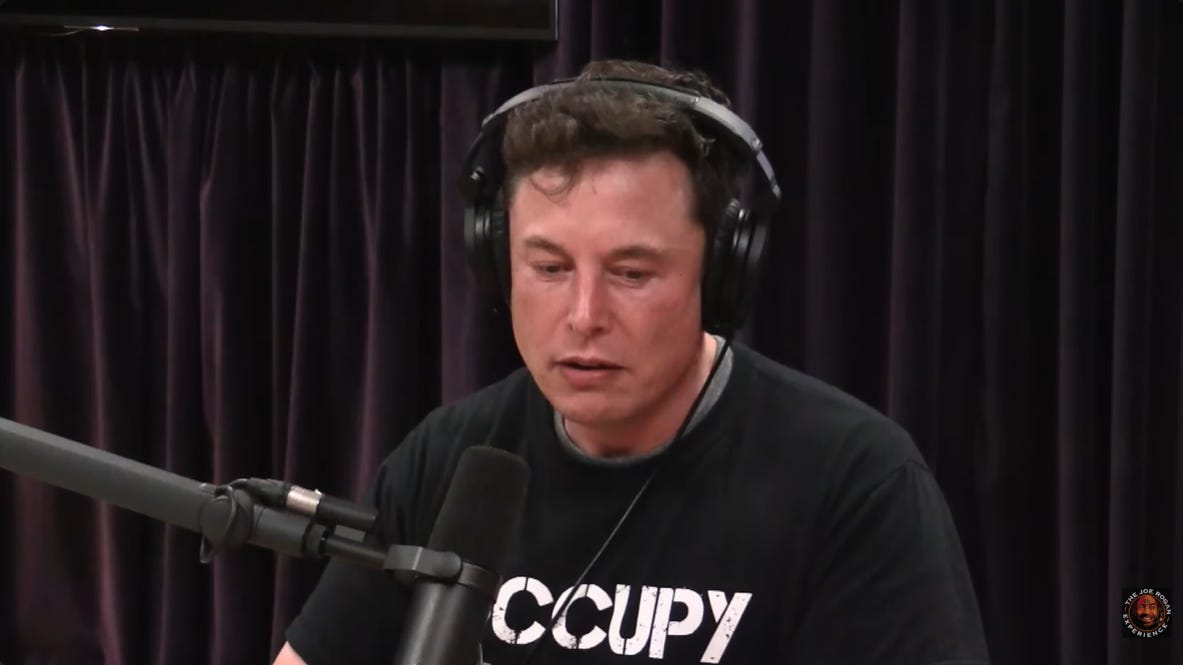
Worth watching: This Joe Rogan conversation is one of the rawest looks at how Musk actually thinks about time and urgency. No script, no PR filter.
What low approval-seeking actually does in practice
Most executives, even strong ones, operate with a soft boundary around their decisions: how will this look?
That question shapes what gets proposed, what gets held and what gets walked back under public pressure. It’s not weakness.
It’s a rational response to operating in environments where reputation is a real asset.
Musk appears to have an unusually weak version of that filter. Industry mockery, public criticism, extended failure never seem to trigger the kind of strategic retreat you’d expect.
Tesla was laughed at for a decade. SpaceX was called a fantasy for years.
He held both positions until the positions became obviously correct.
In markets where early moves look unreasonable long before they look inevitable, that trait isn’t just a personality quirk.
It functions as a structural competitive advantage.
2. Get Ahead Before the Race Even Starts
Early 2024. TSMC chip packaging capacity at its absolute tightest. Supply effectively capped.
That was the window when xAI began assembling what would become Colossus, eventually crossing into hundreds of thousands of GPUs.
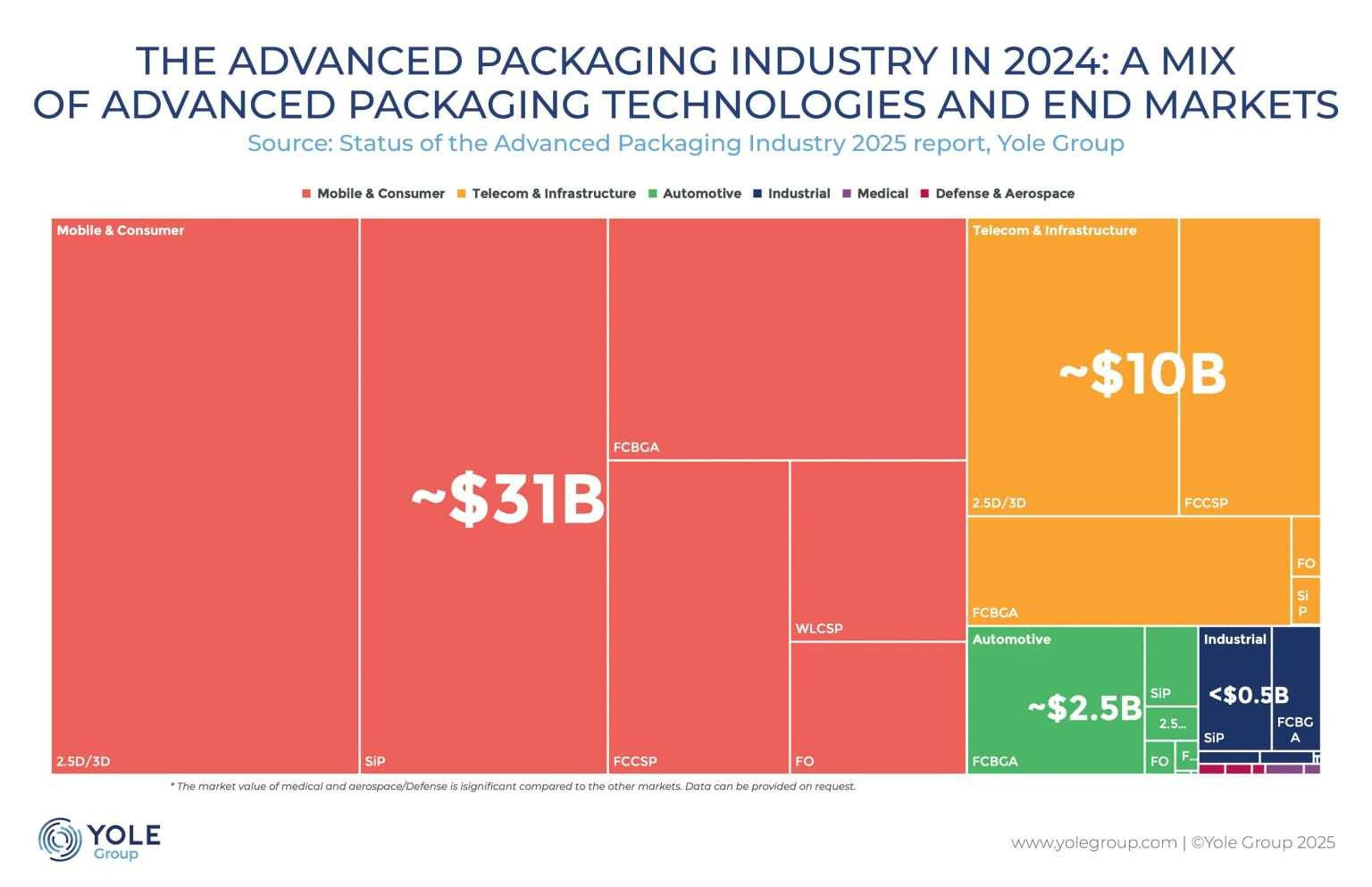
The number matters less than when the commitment was made.
Every unit locked up at that point came directly out of a pool that Anthropic, OpenAI and Google were also drawing from.
It wasn’t just capacity gained on one side but one that was denied on the other.
Each allocation made the supply chain slower and more expensive for everyone downstream.
Google is now spending $185 billion on AI infrastructure. Meta has 1.5 million GPUs.
Both are bigger numbers than xAI in absolute terms.
But they committed 12 to 18 months later, after packaging capacity had already begun to expand.
A dollar deployed into infrastructure in 2024, at peak scarcity, bought something categorically different from the same dollar in 2026.
The early commitment didn’t just create a strong position. It determined what positions were available to everyone else.
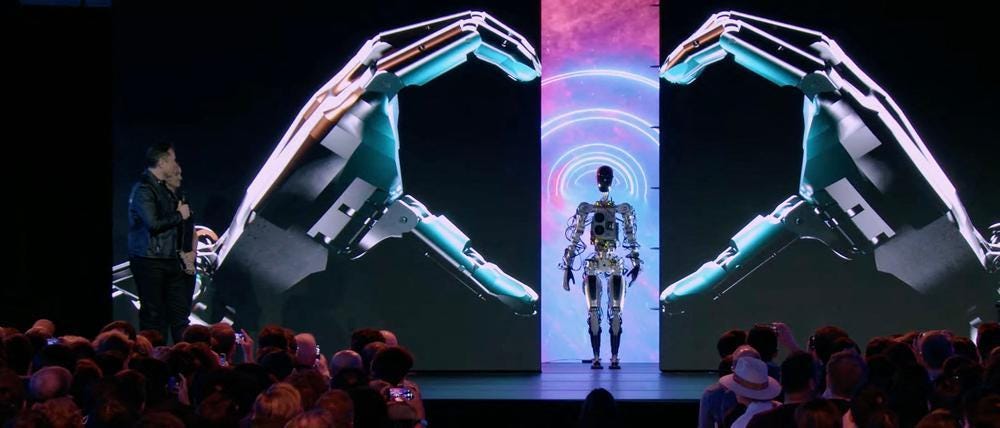
Building leverage before you need it
Every major AI company is currently captive to NVIDIA.
You build your stack on their hardware, optimize for CUDA, wire your datacenters to their specifications.
At that point, you can’t leave easily and NVIDIA’s pricing reflects that reality.
In March 2026, Musk announced Terafab, two chip fabs in Austin, backed by real demand across Tesla, SpaceX and xAI combined.
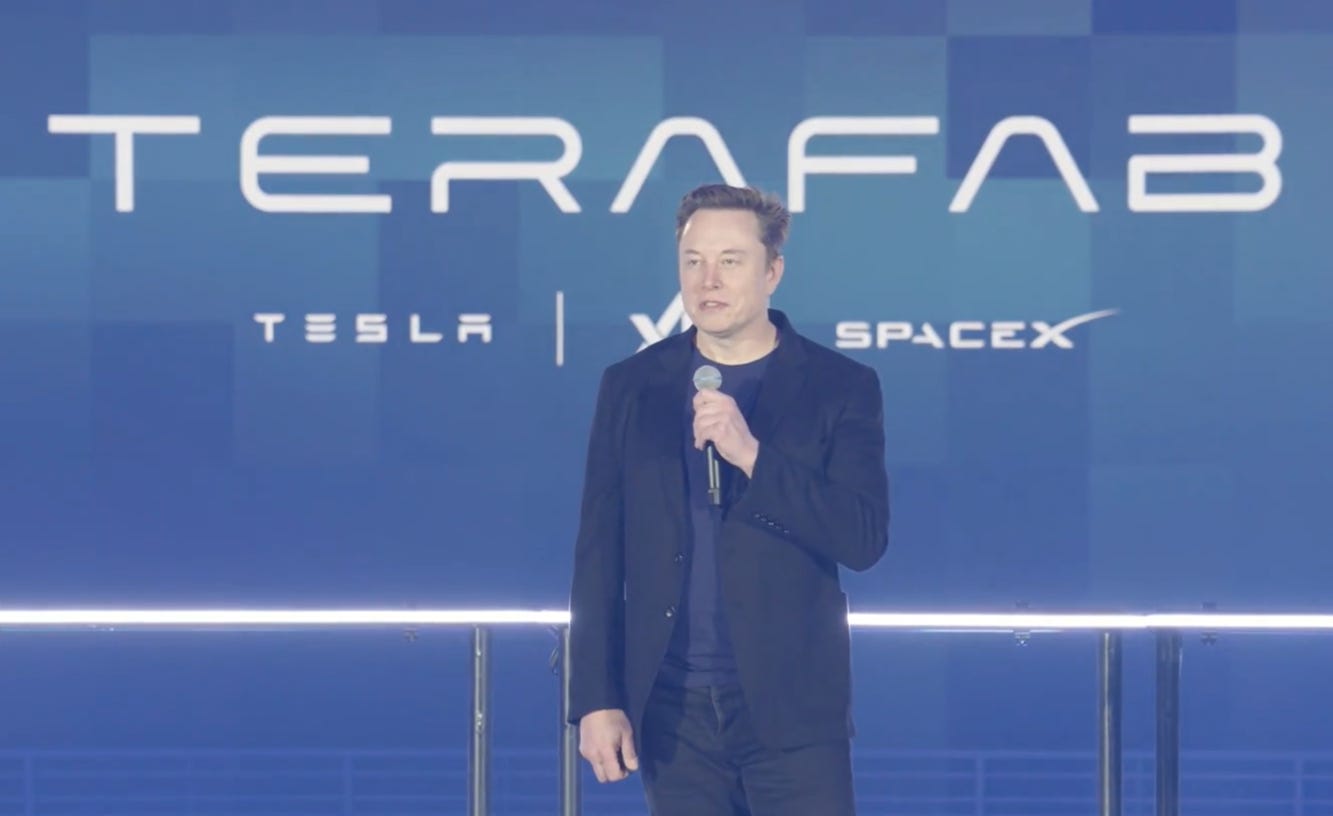
Three very different businesses all supporting the same chip factory.
That kind of shared demand across industries is what makes the whole thing actually work.
It also sets it apart from efforts like OpenAI Titan chips or Meta MTIA which do not have that same pull from multiple directions.
Terafab doesn’t need to ship a single chip to change anything about the current negotiation. It only needs to be credible.
A supplier dealing with a customer who has a genuine exit option behaves differently from one dealing with a captive.
Allocation improves. Pricing adjusts.
The leverage comes from the possibility existing at all, not from it being exercised.
Outlasting, not outspending
SpaceX generates roughly $8 billion in annual profit. Combined with xAI’s $20 billion Series E and an IPO targeting $75 billion, that creates a funding base with a very different character from external financing tied to narrower business models.
What matters most in a long build like this is not how much money you raise. It is how long you can keep going.

Anthropic relying on Amazon instead of building its own infrastructure was not a lack of vision. It was the rational move when staying independent was no longer realistic.
Winning a long game like this is not about who spends the most. It is about who can keep going at the lowest cost.
Right now the advantage is clear.
Small change, but it reads a bit smoother and more human.
3. How to Win by Narrowing Your Rivals’ Options
There is a version of competitive strategy that focuses only on what you gain.
The more interesting version looks at what others lose when you move. Those two things often look very different and the second one is usually ignored.
When a scarce resource gets locked up early, the impact does not stay local. It spreads outward.
Competitors end up with higher costs, longer timelines and dependencies they never wanted.
The move is not just about building a strong position. It quietly reduces the options for everyone else. The first player does not need all the land.
By taking the most valuable part early, they change what is left for everyone who comes later.
This is not just a metaphor.
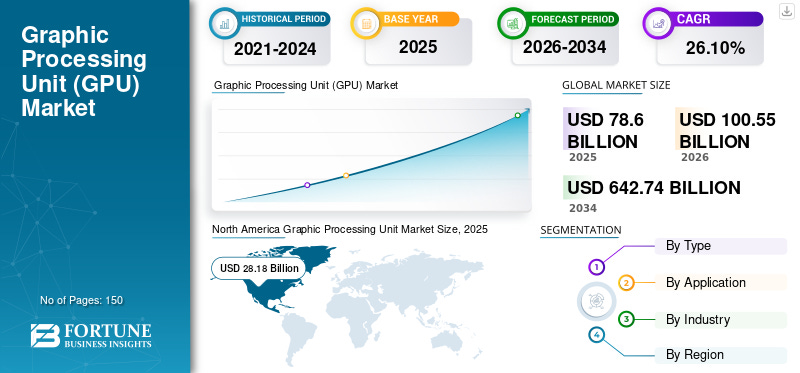
It is exactly what happened with GPU allocation in 2024.
Why single domain players can’t replicate this
Most companies operate inside one system. A cloud provider focuses on compute. A social platform focuses on distribution. An AI lab focuses on models.
Each can push hard in its own domain, but the impact stays contained.
Google builds chips within its own ecosystem. Meta pushes open models through its own network.
Neither move really reaches beyond its own domain.
When Tesla, SpaceX and xAI work as one connected system, something different happens. A decision in one area tightens constraints across the others and even across the wider market.
Capital, demand, talent and infrastructure all flow between them. A company in one domain can respond within that domain.
What it cannot do is create cross domain leverage from nothing.
That gap does not close with more money. It is structural and it grows over time.
4. The Growth Engine That Keeps Building on Itself
How the loop actually works
Tesla generates real world data constantly and at a massive scale. That data trains better models.
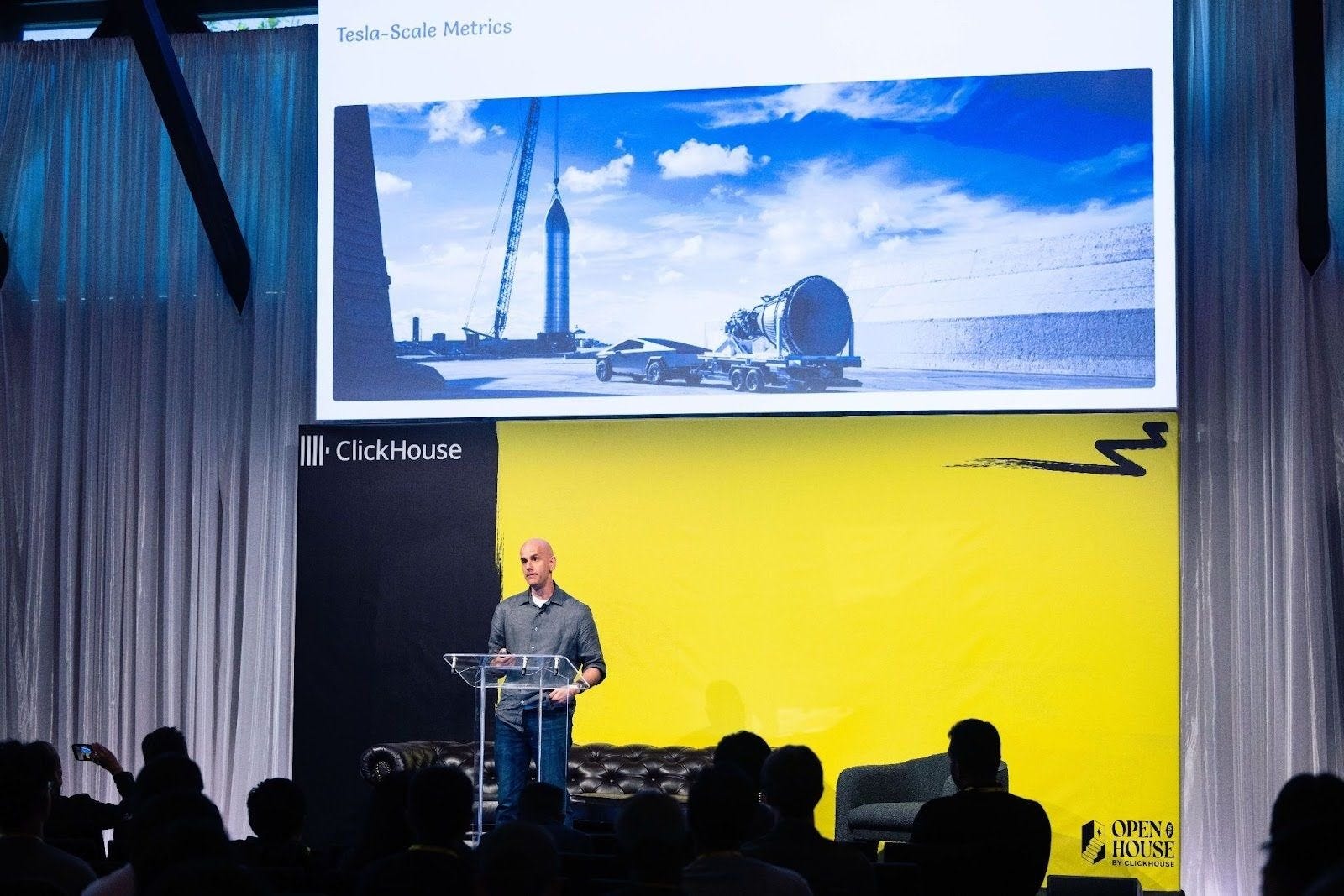
Better models improve autonomy, which increases usage, which creates even more data.
AI provides the compute that powers this loop. Colossus supports the entire training cycle.
Grok distributes through X to tens of millions of users, converting engagement into feedback and revenue.
That revenue flows back into compute.
SpaceX adds deep expertise in power and hardware reliability, which strengthens the infrastructure layer.
Tesla with its Megapack tackles energy storage, a key bottleneck that shapes how cheaply compute can scale.
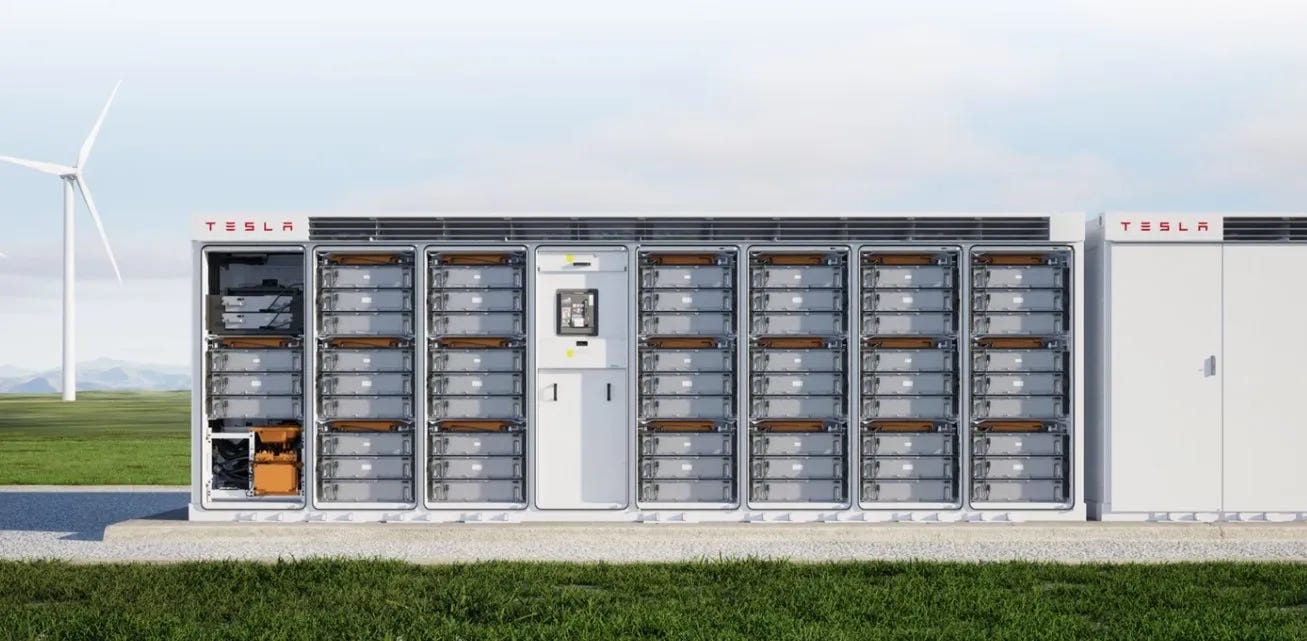
These are not separate tracks. They are one connected system. They feed each other and because they do, a gain in any one area accelerates the others.
A well funded competitor can copy parts of this. It can buy compute, build models and grow a user base.
What it cannot easily copy is the cross domain return that builds with each cycle.
Google compounds inside its own ecosystem. Meta compounds through distribution and open models.
Both are powerful. Both are mostly local.
A cross domain system works differently. Returns amplify across areas instead of stacking in one place and the gap grows over time.
Why commoditized models don’t solve the problem
Meta’s open source bet is actually pretty interesting when you think it through. If they pull it off, models could eventually become free.
Just a commodity. Like electricity.So what happens then? The fight changes.
It stops being about who has the smartest model and starts being about who can run it the cheapest. Inference cost becomes the whole game.
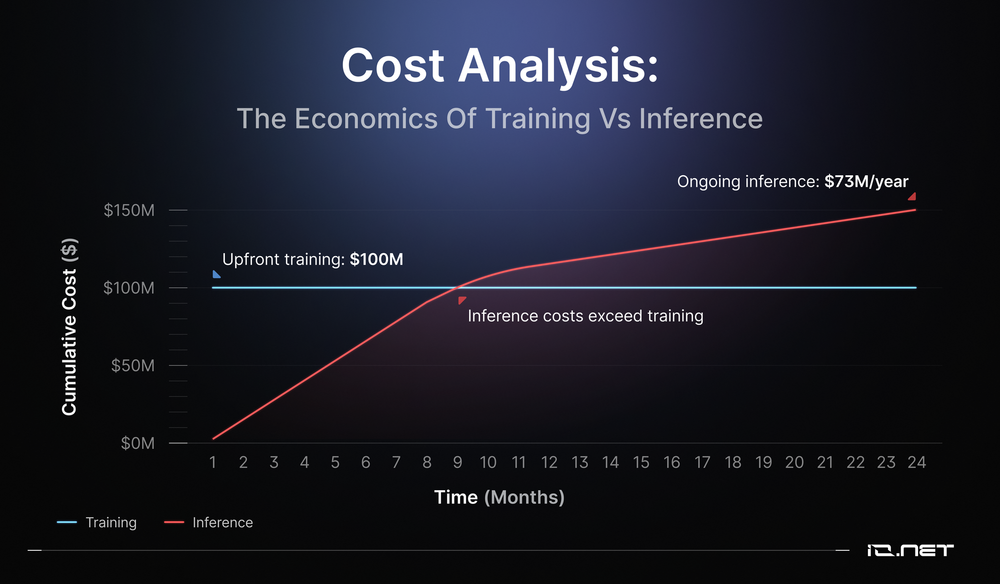
This is where it gets uncomfortable for most players.
At a real scale, inference cost comes down to one thing, who owns the compute, the energy and the infrastructure.
Not who rents it. Who owns it?
Renting has limits. Owning changes the economics completely. If model quality levels out, the winner will not be the best research team. It will be the one with the lowest cost to run.
The race does not end when models improve. It just moves to a different layer.
And in that layer, the key positions are already being taken.
5. What the Psychology Makes Possible That Strategy Alone Cannot
Every strategic move has a psychological prerequisite
The game theory here makes sense on paper.
In reality, each move depends on conditions most organizations simply cannot meet.
The Stackelberg move means holding a large, expensive position even when it looks early and possibly wrong.
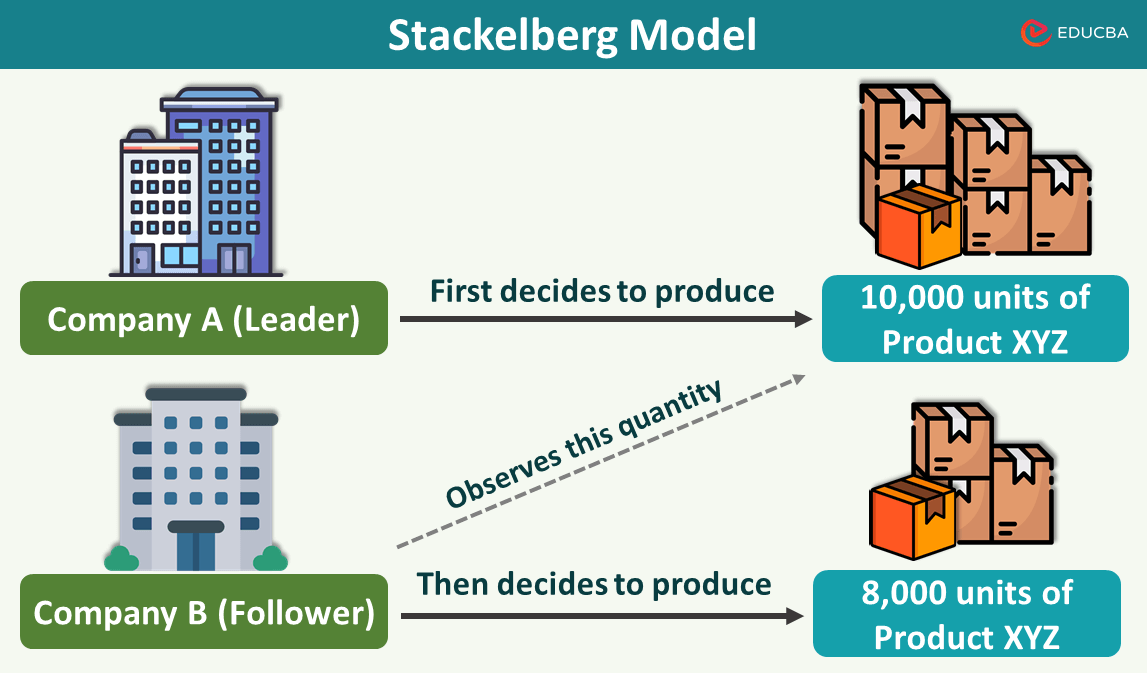
Capital gets deployed before validation, under constant scrutiny, while others are pushing hard for retreat.
Most operators adjust in those moments.
Slowing down or hedging is the rational response when outcomes are uncertain and pressure is real.
Holding the position is the actual move and it depends entirely on a risk tolerance that doesn’t collapse when the stakes become existential.
Nash bargaining means actually building the fallback, not just talking about it.
A real alternative is a construction project, not a press release.
Without real follow through, the advantage disappears quickly because serious players can tell the difference.
Endurance in a long fight is not just about capital. It is about fatigue, pressure and the slow build up of small failures that wear down conviction over time.
Leaders working on shorter timelines or tighter feedback loops get pushed toward quick resolution.
The one who keeps going is the person where stopping feels more costly than continuing.

The engine underneath the output
Reverse the direction of explanation and the picture clarifies considerably.
The strategy is not the starting point. It’s what becomes possible when the psychological foundation is already in place.
Take away the ability to hold risk and the early commitment never happens.
Take away the willingness to build real alternatives rather than announce them and the bargaining power evaporates.
Compress the time horizon and the endurance collapses before the position pays off.
Reduce the tolerance for running multiple complex systems simultaneously and the flywheel fragments.
You can understand every concept in this piece and still be unable to execute any of it.
The moves are not the hard part. Holding through all the pushback is where it really happens.
6. Why This Cannot Be Copied and What You Can Actually Learn From It
The same configuration that enables these outcomes runs alongside real costs and those costs are not incidental.
They come from the same source.
The ability to commit early, hold through uncertainty and ignore external pressure doesn’t deactivate when a decision turns out to be wrong.
Timelines get set aggressively and missed by significant margins.
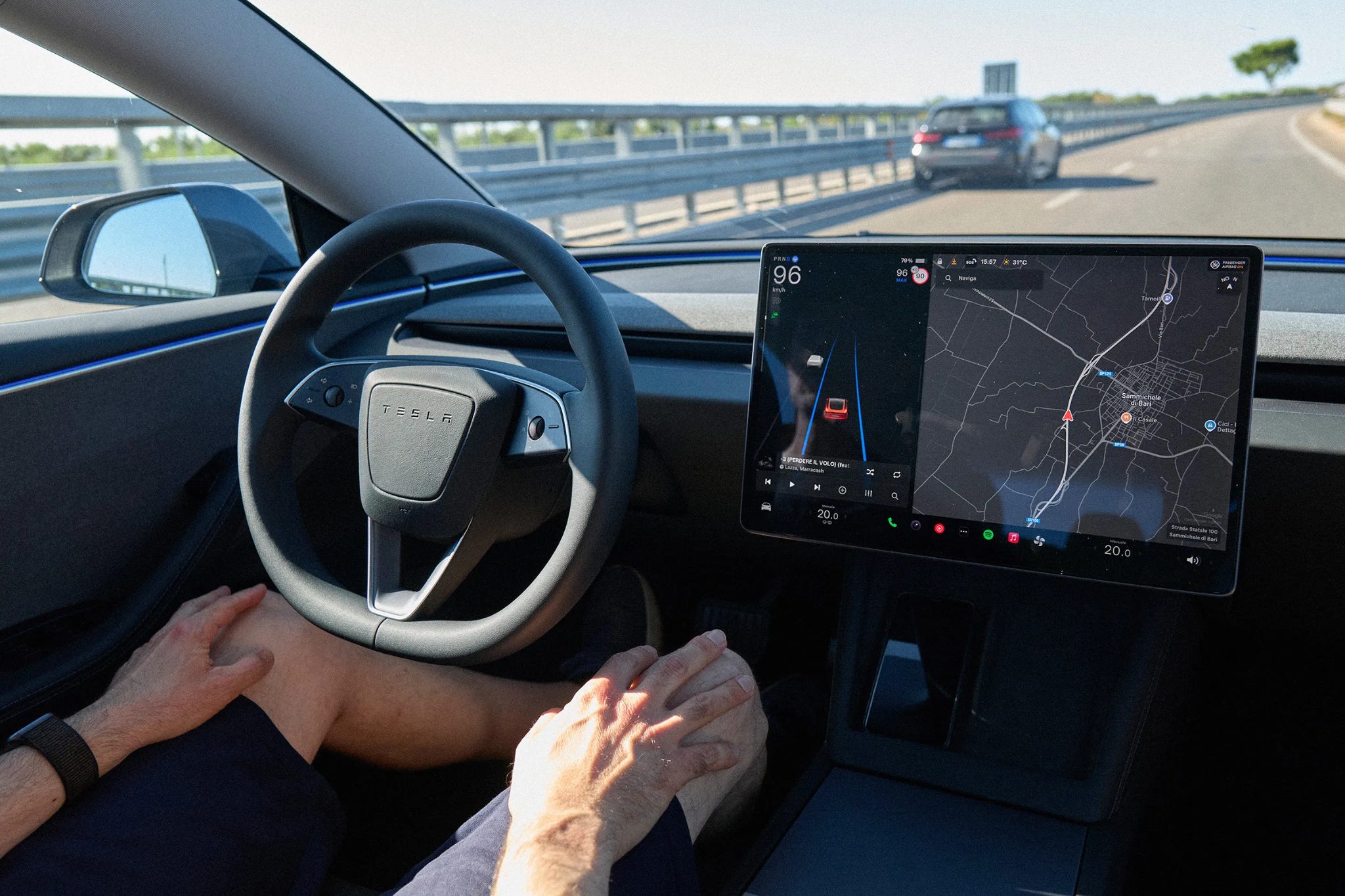
Full Self Driving has been “one year away” for almost a decade.Teams operate under sustained intensity that many people cannot absorb over long periods.
Public decisions get made impulsively in ways that introduce genuine volatility.
Ethical lines blur when a mission is treated as overriding everything else. These aren’t separate failures from separate causes.
They’re the same traits expressing themselves without moderation and that’s worth being clear about.
What actually translates
The truth is that Elon Musk’s behavior itself doesn’t transfer to most organizations and attempting to import it wholesale into a different context tends to produce the costs without the advantages.
What does transfer is a way of thinking about where competition actually gets decided.
In most markets, there are inputs that stay constrained longer than expected. In supply chains, regulatory windows, distribution channels, data that’s difficult to replicate at scale.
Most companies wait until those constraints are obvious before acting on them.
By that point, the window has usually closed.
The question worth sitting with is which constraints in your own market you’re positioned to act on before everyone else identifies them.
The second thing worth taking seriously is how dependency gets treated.
Most companies accept their current constraints as more or less fixed.
Building a credible alternative, even one that’s never fully exercised, changes the negotiating position before a single formal conversation takes place.
The leverage is in the optionality, not the outcome.
None of this requires running three companies simultaneously or any particular tolerance for chaos.
It requires being honest about where your constraints sit and being willing to act on them before the moment is obvious.
Once you see that competition is decided earlier than most people think, at the level of inputs and commitments, the usual view of how industries are won starts to feel incomplete.
Perhaps the deepest lesson here is that character shapes strategy long before strategy shapes outcomes.