

The Second-Time Founder Effect: Why It Matters
Most startups fail. That’s the uncomfortable truth every founder faces.
But here’s the encouraging twist: if you’ve built a company before, regardless of whether it succeeded or failed, your odds of building a better one the second time around are significantly higher. And it’s not just because you’ve been there before.
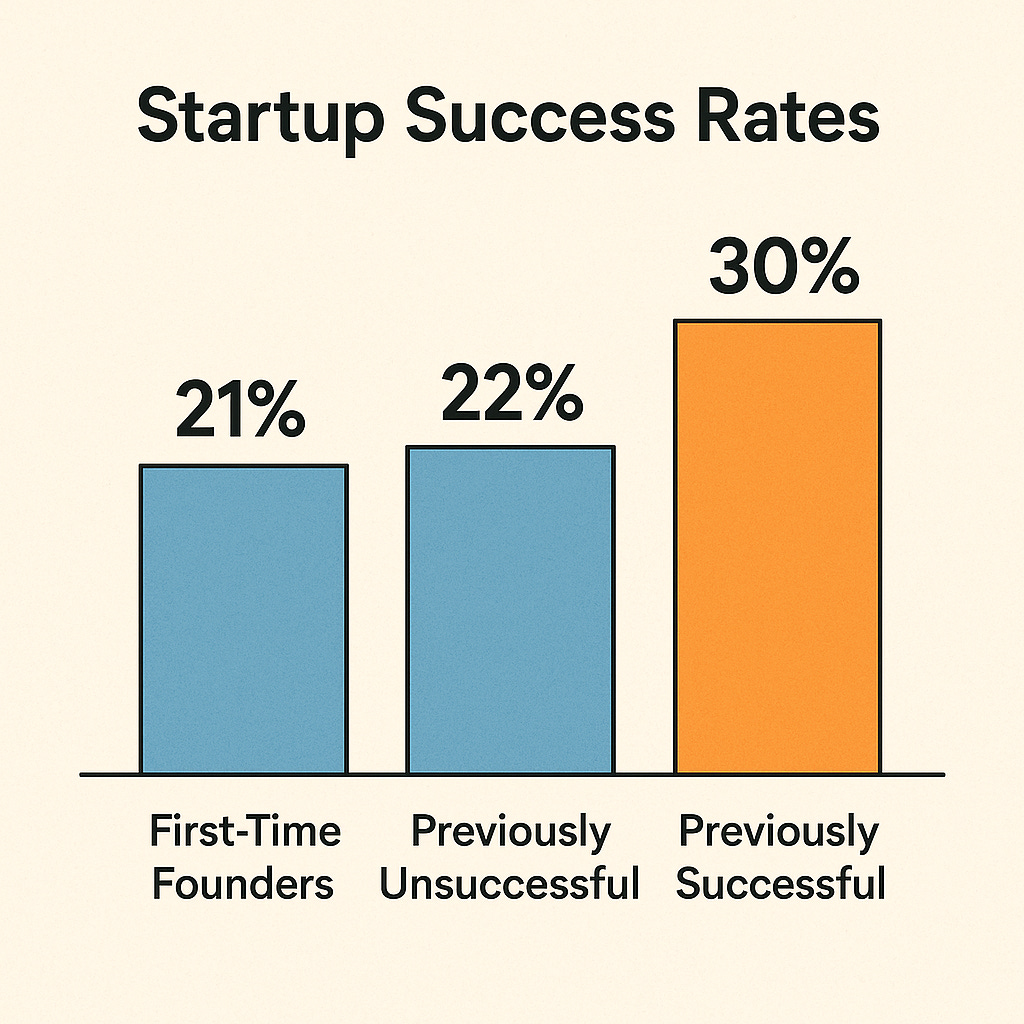
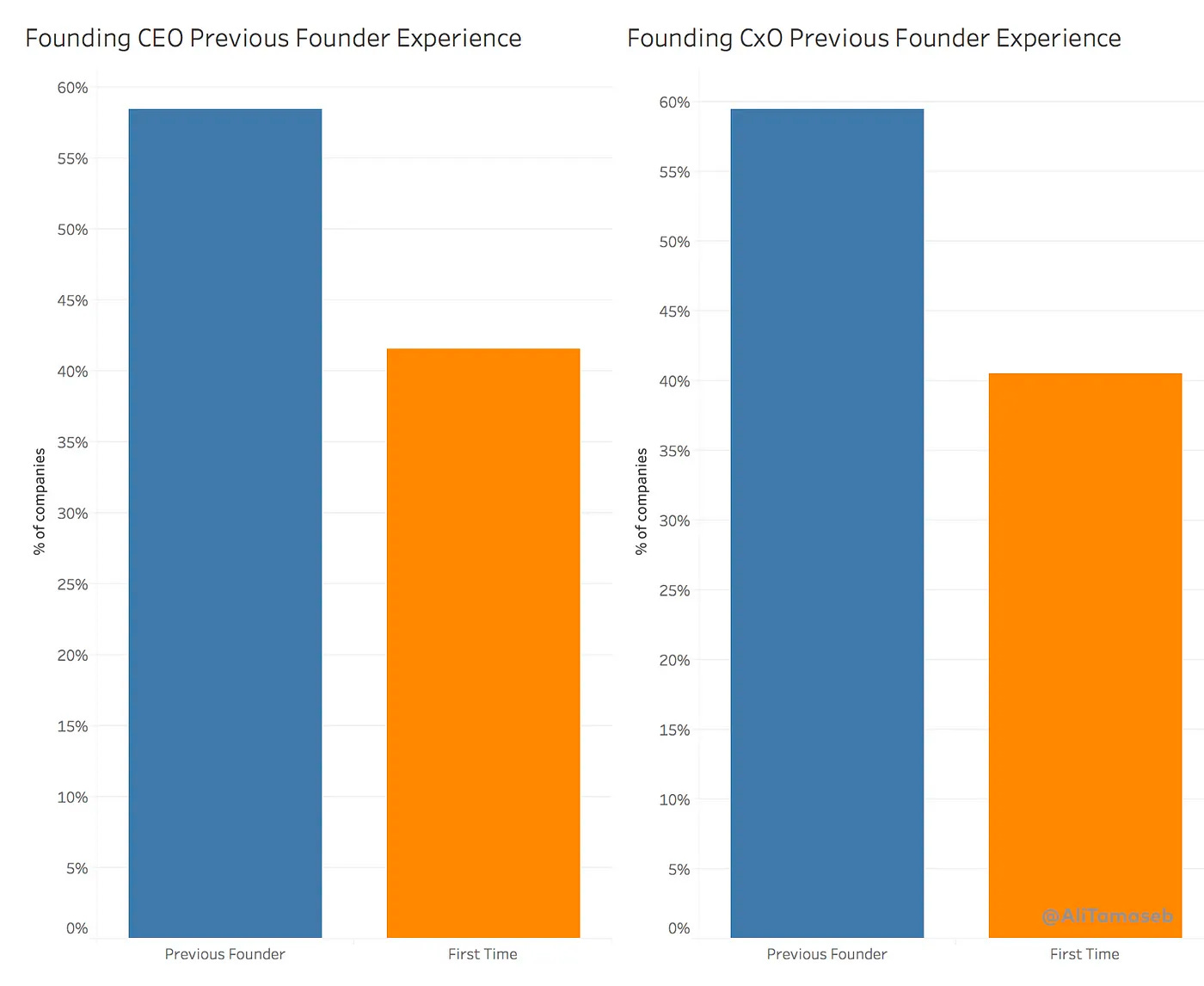
According to Harvard Business School research, first-time founders succeed around 21% of the time. For those who have failed previously, the odds tick up slightly to 22%. But for founders who’ve already had one success?
Their next company sees a 30% success rate, a meaningful jump in a world where every percentage point matters. The team at NFX has seen this pattern play out again and again: second-time founders carry something invisible but powerful into their next venture, something that tilts the game ever so slightly in their favor.
In a world where every percentage point matters, that gap is enormous.
Second-time founders carry something invisible but powerful into their next venture. They’ve developed pattern recognition. They’ve built scar tissue. They’ve learned where the real bottlenecks show up, often earlier than everyone else.
One of those bottlenecks is trust.
At some point, every serious startup runs into the same problem: customers, partners, or enterprise buyers want proof that you’re operationally sound, not just product-smart. And founders who’ve been through this once tend to deal with it earlier and more deliberately.
That’s why this piece is brought to you by Vanta
Unlock Effortless Compliance for Startups 🔐
Don’t let compliance be a blocker for growth…

Vanta’s solution automates up to 90% of the work for ISO 27001, SOC 2, and more, making it easier for startups to maintain continuous compliance and build trust with customers.
Explore how Vanta’s platform can save you time and accelerate growth 👇
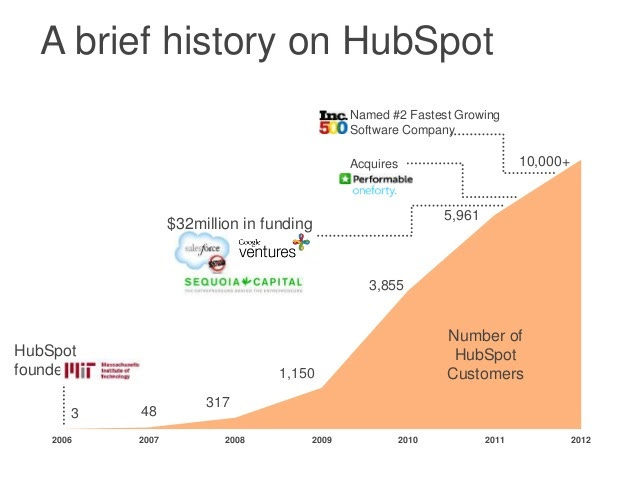
You can see the second-time founder effect clearly in the real world.. After selling their first startup to Cisco for over a billion dollars, the founders of Meraki regrouped and built Samsara, a $30 billion IoT platform. The co-founders of HubSpot had already exited previous companies before teaming up.
Their experience, networks, and timing helped turn HubSpot into a global SaaS leader. These aren’t just stories of lightning striking twice. They’re examples of what happens when pattern recognition, scar tissue, and better decision-making compound.
The success of second-time founders isn’t about status. It’s about skill. Behind the scenes, they operate differently: making faster decisions, hiring better, executing more cleanly, and developing a sharper instinct for what matters. And while the path is never easy, they carry a distinct edge. Not because they’re smarter, but because they’ve already learned some of the hardest lessons the hard way.
In this article, we’ll explore what makes second-time founders succeed more often, where they stumble, and how aspiring founders can start thinking as if they’ve already been through it. Because in startups, experience might not guarantee success, but it absolutely rewires how you pursue it.
Table of Contents
1. What Sets Second-Time Founders Apart
2. The Hidden Risks Second-Time Founders Face
3. First-Time vs. Second-Time Founders: A Mindset Shift
4. Wisdom From the Trenches: What Repeat Founders Say
5. How to Think Like a Second-Time Founder (Even If You’re a First-Timer)
6. Final Takeaway: Experience Is Leverage, But Humility Is the Multiplier
1. What Sets Second-Time Founders Apart
The success of second-time founders isn’t due to luck, nor is it simply a matter of increased confidence or connections. What truly sets them apart is how their previous experiences reshape their thinking.
Their mental models evolve. They stop sweating the small stuff and begin to see around corners. Every scar, every missed quota, every bad hire becomes data, and that data rewires their operating system.
Here are six key ways second-time founders think and act differently from first-timers.
Operating Efficiency
Building a startup from scratch teaches lessons that no book or podcast can prepare you for. Second-time founders enter their new ventures already familiar with the chaos: half-built products, clunky onboarding, botched launches, hiring mistakes, and unexpected churn. They’ve endured the fire once, which fundamentally alters how they operate.
Rather than attempting to create a perfect system from day one, they concentrate on what truly drives the company forward. They know when to prioritize shipping over polish, when to tighten expenses, and how to delegate without losing control. While first-time founders often confuse motion with progress, repeat founders focus on leverage.
“I knew exactly what I wasn’t going to do again.”
-Bob Moore, founder of RJMetrics & Crossbeam
They’ve “seen the movie before.” This doesn’t mean they are immune to new challenges, but it does mean they are much better at cutting through the noise and focusing on execution that actually scales.
Faster, Cleaner Decision-Making
One of the biggest behavioral shifts in second-time founders is their approach to decision-making. The need for certainty is replaced by a bias for speed. They have made enough mistakes to understand that trying to be right all the time is a trap.
While a first-time founder may become mired in endless cycles of seeking advice, second-time founders act based on pattern recognition. They move quickly and validate later, because their instincts have been honed by experience. Not out of arrogance, but because they know what failure feels like and what success looks like.
“With [my first startup], I was constantly asking others how to do things… With [the second], I know how to do it better and faster for me.”
-Avni Patel Thompson, founder of Poppy & Milo
In moments of uncertainty, they do not hesitate. They prioritize momentum over perfection. This distinction is the difference between reacting to every fire and controlling the burn.
This mental shift, trusting informed instinct while staying open to course correction, is one of the most valuable reasons second-time founders succeed more often.
Easier, Smarter Fundraising
Fundraising is where the gap between first- and second-time founders becomes most visible and structural.
Investors view second-time founders as lower risk. They have observed them lead teams, make tough calls and handle pressure. Even if the previous company didn’t succeed, the experience itself serves as a positive signal. For founders with a prior win, term sheets often arrive before the pitch deck is complete.
“You know how to build a strong team… grow quickly… close big deals. And you can be trusted with capital.”
-Jason Lemkin, SaaStr
But it is not just easier. It’s smarter. Second-time founders raise capital differently:
They’re selective about who joins the cap table.
They understand dilution, governance, and how today’s terms impact tomorrow’s exit.
They don’t accept checks out of desperation. They look for long-term alignment.
As Jason Lemkin notes, these founders “know how to get the deal done,” not just by charisma, but by understanding what each investor is optimizing for and shaping the round accordingly.
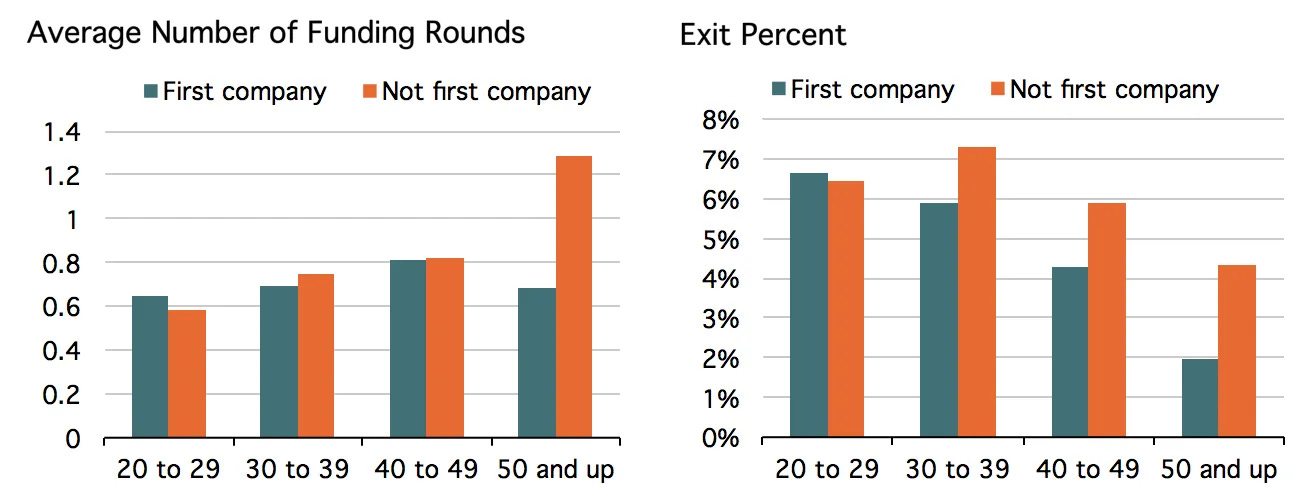
This clarity is why so many VCs actively chase second-time founders, and why the average time-to-funding is often significantly shorter. In today’s tighter markets, that edge makes a real difference and helps explain why second-time founders succeed when others are still stuck in the meeting maze.
Talent Magnetism and Team Design
Another underrated advantage is that hiring becomes easier, and more effective.
Second-time founders no longer try to wear every hat. They specialize sooner. They don’t feel the need to “prove” they can do it all. Instead, they build the organizational chart for where the company needs to go, not just where it is today.
They also attract better talent. A-players want to work with people who’ve done it before. Whether it’s a trusted ex-colleague or someone who’s been watching from afar, the credibility and clarity of a second-time founder make recruiting faster and more frictionless.
“You know who the top 5% of people are. And they trust you to lead them.”
-James Currier, NFX
Perhaps most importantly: they know how to avoid team dysfunction. They are intentional about culture, feedback loops, and role clarity from the outset. They have seen what happens when communication breaks down, and they don’t let it happen again.
Distribution Over Product
First-time founders fall in love with their product. Second-time founders fall in love with traction.
This isn’t because they don’t care about user experience or features; they do. But they’ve learned that great products without distribution fade quietly. So they bake GTM strategy into the build phase, rather than treating it as an afterthought.
Messaging, positioning, early funnels, and ICP testing are not marketing’s problems six months down the line. They are part of week one.
“Founders often think they’re in the product business. They’re in the go-to-market business.”
-Elad Gil, High Growth Handbook
Many second-time founders begin with a “distribution-first” thesis. They know which channels work, what type of growth is achievable, and how to test for velocity early. They understand that a product that doesn’t sell isn’t a product, but a prototype.

This perspective alone can explain a large part of second-time founders’ success: they start building with the customer in mind, not just the code.
Psychological Stamina
The first time you build a startup, every failure feels personal. The second time, you know better.
Second-time founders operate with emotional distance-not detachment, but perspective. They’ve lived through pivots, burnouts, and exits that didn’t go as planned. They’ve seen how long the journey really is, and they pace themselves accordingly.
This clarity changes how they react to chaos. They don’t view churn as an existential threat. They don’t panic when a feature flops. They don’t over-celebrate a funding round. They’ve learned that the game is long, and they play it like marathoners, not sprinters.
“Turns out the experience was the real payoff.”
-Bob Moore, reflecting on his first exit
They also design better feedback loops. Instead of defending their ideas, they test them. They’re not afraid of being wrong because they’ve already been wrong enough to know it’s survivable. That mindset of seeking falsification over affirmation is what makes them faster, sharper, and more resilient the second time around.
Together, these traits explain why second-time founders succeed more often. Their mental models are leaner. Their decisions are cleaner. And their tolerance for uncertainty is higher, not because they have less fear, but because they’ve already walked through it.
2. The Hidden Risks Second-Time Founders Face
Experience is an advantage, until it isn’t.
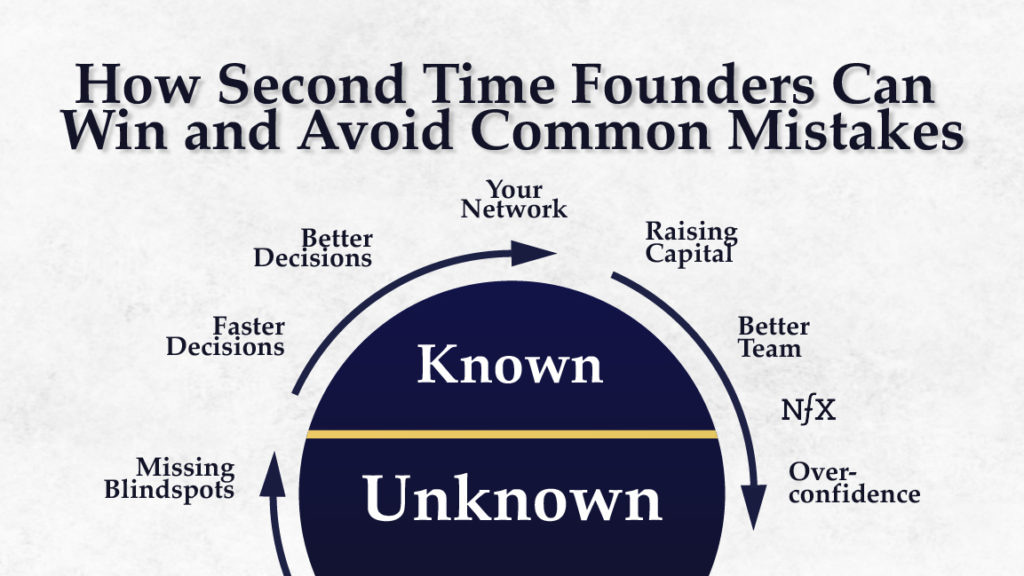
While second-time founders possess sharper instincts and deeper pattern recognition, that same experience can become a trap when misapplied. Success rewires your brain. So does failure. However, not every lesson applies across different markets, teams, or timing. In fact, many second-time founders stumble because they attempt to replicate what worked before without considering whether it fits the new context.
Here are five risks that quietly undermine second-time founders’ success, not because they forget their lessons, but because they rely on them too heavily.
1. Mislearning from Luck
A founder succeeds in a hot market with the right product at the right time, internalizing that success as pure skill. The next time around, they try to replay that same formula: the same launch style, the same hiring cadence, and the same pricing model. But the magic doesn’t work twice.

Timing, market tailwinds, and even competitor missteps often play a much more significant role in a win than we care to admit.
Second-time founders sometimes overlearn from success that wasn’t entirely theirs to claim. Instead of isolating the variable that actually mattered, they replicate everything and stall. Believing that past success stemmed solely from skill creates blind spots in a new environment where the dynamics are entirely different.
2. Over-Engineering from Old Scars
If a founder’s last company burned down due to tech debt, they may build an over-abstracted, hyper-structured system the next time. If their previous pain point was a lack of sales, they might overhire GTM before achieving real traction. Scar tissue can lead second-time founders to over-correct into complexity.
The pain from one failure often triggers an overreaction that fuels the next one.
Instead of calibrating based on current needs, they build defensive strategies shaped by past trauma. This leads to bloat, whether in the organizational chart, product architecture, or processes that exist primarily to avoid the ghosts of past mistakes.
3. Reputation Paralysis
The first time around, you launch fast and break things. The second time, you hesitate because now people are watching.

Once you've “been successful,” the fear of failing publicly becomes heavier than it should be.
Some second-time founders stop taking small bets. They avoid rapid iterations and strive for perfection on the first try, feeling they can’t afford to mess up this time. But perfection is the enemy of learning. Building with your ego on the line slows down the process, making it more defensive and less flexible.
4. Playbook Obsession
What worked before becomes gospel. The hiring process. The onboarding doc. The sales funnel. The meeting cadence. Founders try to lift their last startup’s architecture into this one, convinced they’ve cracked the code.
But the code was context-dependent.
“Generals are always fighting the last war.” Founders often are, too.
Markets evolve. User behavior shifts. The team you’re leading isn’t the one from three years ago. Relying too heavily on the old playbook means you might miss what this startup actually needs because you’re too busy applying what the last one did.
5. Misjudging New Team Dynamics
Second-time founders sometimes assume they’ve already figured out how to lead. They default to the same management style, feedback loop, and cultural cues that worked in their previous company.
But every startup is a new organism.
Chemistry doesn’t carry over just because the founder does.
Perhaps the team this time is more junior. Maybe they’re remote instead of in-office. Maybe they’re mission-driven in a way the last team wasn’t. Leading effectively is all about reading the room, not just repeating past rhythms. The mistake isn’t arrogance, but familiarity. This can quietly erode team trust and performance.
The Bottom Line
Experience is leverage, but only if you reinterpret it for the moment you’re in. The biggest risk for second-time founders isn’t forgetting what they learned; it’s assuming it all still applies.
The best repeat founders understand this. They gut-check their instincts, question their defaults, and focus on staying adaptive rather than trying to be right twice in a row.
Because success the second time around doesn’t come from having all the answers. It comes from knowing which answers to discard.
3. First-Time vs. Second-Time Founders: A Mindset Shift
The real difference between first-time and second-time founders lies not in knowledge, but in how they interpret their surroundings. It’s about mental framing, reflexes, and the narratives they construct under pressure.
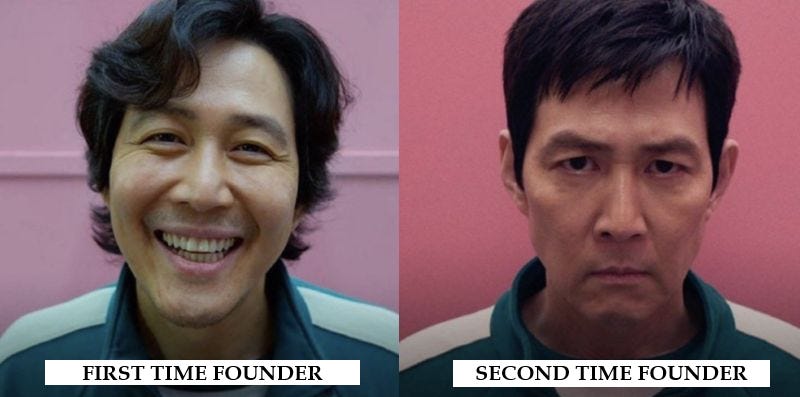
Here’s how those mindsets diverge, moment by moment, decision by decision.
Choosing a Startup Idea
A first-timer sees this as a chance to build what excites them. A second-timer frames it as a bet: “Can I win this market, with this distribution, at this moment in time?”
First-timers fall in love with the concept. Second-timers fall in love with the mechanics.
Dealing with the First Customer Loss
A first-timer takes it personally, questioning the product, the pricing, and the entire company. A second-timer views it as data, asking, “Was this the wrong customer, the wrong channel, or the wrong fit?”
First-timers react emotionally. Second-timers react diagnostically.
Hiring the First Five People
A first-timer looks for hustle, enthusiasm, and people who can “wear many hats.” A second-timer seeks slope, an ownership mindset, and clarity of role. They design for scale, even with just five people.
First-timers want teammates. Second-timers build infrastructure.
Making Trade-Offs Under Pressure
A first-timer sees constraints as failure. They want it all: speed, perfection, growth, control. A second-timer accepts the constraints and chooses where to cut, asking, “What’s the most valuable thing we can preserve while letting go of the rest?”
First-timers seek balance. Second-timers seek leverage.
Responding to Stagnation or Rejection
A first-timer spirals. They double down on effort or attempting a wild pivot. A second-timer zooms out, asking, “Is this a signal problem or a sequencing problem?” Then they reroute with intent.
First-timers react to noise. Second-timers tune into patterns.
The most important difference isn’t experience. It’s how founders process uncertainty and time. First-time founders are learning the journey's nuances, while second-time founders are managing their energy throughout it.
Both paths are important, but one moves with clarity, not just courage.
4. Wisdom From the Trenches: What Repeat Founders Say
Some lessons don’t appear in books, podcasts, or pitch decks. They aren’t obvious when you're starting out, but they hit hard after the first round through the startup gauntlet. Second-time founders carry these truths like scar tissue: earned, not borrowed.
Here are a few insights you only understand after living through them.
You don’t need perfect timing. You need perfect pacing.
First-time founders obsess over when to start. Second-timers know it’s not about catching the market at its absolute peak, but about managing momentum, staying alive long enough to catch a tailwind, and accelerating when the signal hits.
Perfect timing is a myth. But pacing, that is knowing when to push and when to sustain, determines whether you burn out, stall, or break through.
You’ll never build the “right” thing, just the thing people are willing to use, then evolve.
First-timers often chase perfection: the perfect product, the perfect UI, the perfect launch. Second-time founders build something usable, ship it, and refine it quickly.
What matters isn’t what you intended to build. It’s what your users decide to keep using, and what they teach you by doing so.
You can’t teach urgency. Hire it or suffer.
You can teach process. You can coach communication. But you cannot teach someone to care like a founder.
Second-time founders spot it fast: who moves unprompted, who over-communicates, who solves without asking. That’s urgency, and if your early team doesn’t have it, your calendar is about to fill with follow-ups and your startup will crawl.
If one person owns ops, sales, and growth, no one is owning them.
First-time founders wear every hat and assume that multitasking is the hustle. Second-time founders know that blurry ownership leads to dropped balls.
Startups don’t die because tasks weren’t assigned. They die because roles weren’t owned. If you're holding three functions, you're not managing any of them well.
Raising money is easy if you don’t need it. Impossible if you do.
Investors sense desperation like blood in water. Second-time founders raise from leverage, not need. They’re solving for fit, not survival.
The paradox is that when you remain calm, clear, and in control of your burn, you get better terms. When you're scraping for runway, even a decent business looks risky.
Culture isn't something you install, it's something you default to when things break.
First-time founders think culture can be encapsulated in a Notion doc or team retreats. Second-timers know it’s what is revealed during difficult times: how decisions are made under stress, how feedback is exchanged, who gets protected, and who gets blamed.
Your values aren’t what you say. They’re what you do under pressure. And if you don’t shape them early, they’ll shape you.
These aren't clever slogans. They're the kind of truths you don’t fully grasp until you’ve lived through the opposite. Once learned through experience, they subtly influence every decision you make in your next venture.
5. How to Think Like a Second-Time Founder (Even If You’re a First-Timer)
You don’t need prior startup experience to start thinking like a repeat founder. What second-time founders gain from experience, you can begin building through mindset, by upgrading how you frame decisions, pressure, and progress. Here’s a playbook for developing that edge early.
Validate your energy before your market.
It’s easy to fall for a good idea, but It’s harder to stay committed to it when nothing’s working. Before you validate the total addressable market (TAM) or start modeling revenue, ask yourself: “Will I care about this problem when I’m exhausted, ignored, and 18 months in with no traction?”
Second-time founders select problems they’re willing to suffer for. In contrast, first-timers often chase what sounds exciting. This distinction becomes evident when things get hard.
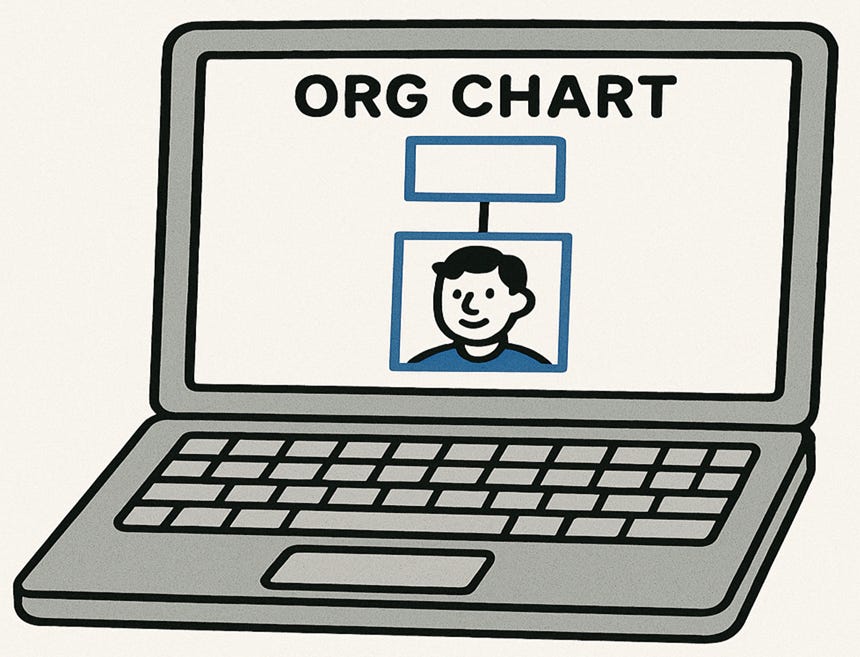
Design your org chart now, even if it’s just you.
Mapping out roles brings clarity. It reveals the functions your business needs, the areas where you may struggle, and what you’ll eventually have to delegate. Even if you’re wearing all the hats, visualizing the structure early encourages you to think like a company, rather than a solo operator.
This mental shift, from “I do everything” to “What should this look like at scale?”, can prevent months of confusion later.
Decide how you’ll know when to quit.
Most first-time founders allow failure to sneak up on them. In contrast, second-time founders establish their exit criteria early: If these metrics aren’t working by this point, we walk. It’s not pessimism, it’s protecting time, money, and identity.
Conducting a “pre-mortem” helps lower the emotional stakes of letting go. It gives you permission to quit with clarity, not shame.
Track learning velocity, not just revenue.
Revenue is a lagging indicator. Learning is a leading one. The most successful startups aren’t just focused on sales; they’re compounding insights.
Every user conversation, funnel test, or failed outreach teaches something. If you're learning fast, you’re moving fast, even if the numbers aren’t climbing yet. Second-time founders know this. First-timers often miss the signal because they’re staring at the scoreboard.
Start with the assumption you’re wrong.
This mindset shift transforms everything - feedback, objections, churn - into useful data instead of personal rejection. Second-time founders build tests to prove themselves wrong. First-timers try to prove they’re right.
The difference? One learns faster. The other stays stuck defending something nobody wants.
Get your boardroom instincts early.
You don’t need an actual board to start acting like you have one. Conduct monthly check-ins where you review metrics, decisions, hires, and strategy with brutal honesty, even if it’s just to yourself or a mentor.
Thinking like a board-aligned CEO from day one helps you lead with structure, not story. It’s a mindset that second-time founders inherit. First-timers can build it intentionally.
This isn’t about avoiding mistakes. It’s about making the right ones. If you’re a first-time founder reading this, think of these principles as your early upgrade kit, hard-earned by others, gifted to you now.

6. Final Takeaway: Experience Is Leverage, But Humility Is the Multiplier
The success of second-time founders doesn’t stem from swagger; it arises from scars. What distinguishes them isn’t just what they’ve done, but what they’ve learned to unlearn.
They move faster not out of fearlessness, but because they’ve already felt the fire. They’re more focused because they understand the cost of distraction. Their convictions are clearer, not because they can predict the future, but because they’ve survived the unknown.
But here’s the thing: you don’t need a past company to think like a second-time founder. You just need to act as if you’ve already made your rookie mistakes and have no intention for repeating them.
The second time works better not because it’s easier, but because you’re finally ready to stop learning the hard way.
Agreed here! I have learned so much from my first startup and it has helped me immensely in my second. I can only imagine if I had hindsight going into my third!
This resonates hard.
Thank you Ruben