

Open any app store or scroll through a product-hunt feed today, and it feels like walking through a warehouse of lookalike software. Polished, functional, and instantly forgettable. Interfaces blur together; the same gradients, the same onboarding flows, the same AI assistants promising to “save time.”
Doesn’t the internet feel… mass-produced?
But what can we expect in an age where everything is written by the same LLMs? The numbers say so.
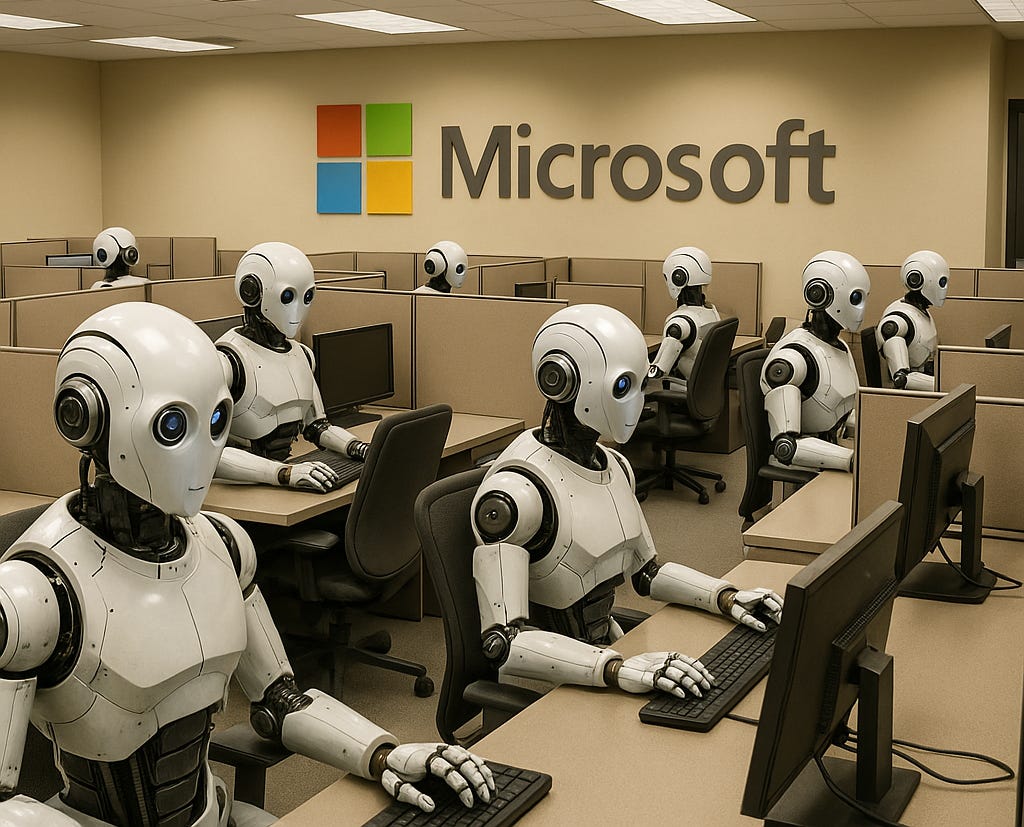
At Microsoft, 20–30% of all new code is written by AI. Robinhood’s CEO says most of the company’s new code is AI-generated. Coinbase reports that 40% of its codebase now comes from AI tools, while startups like Lovable can generate fully working apps in under a minute.
Creation has become frictionless. Software is not scarce and hand-crafted anymore. It’s now infinite and cheap, built in bulk by machines that never tire.
Before we get into it, something worth knowing about:
While most founders are still debating which AI tools to use, the smartest operators are already running their entire business on them.

Accio Work is the AI agent team built for business owners and solopreneurs. Sourcing, supplier negotiation, store management, and marketing, all running on autopilot.

Powered by Alibaba.com data. Verified skills and APIs that execute while you stay in control.
No setup. No babysitting. Just results.
This should be a golden age of innovation. Instead, it feels like the opposite: an age of sameness.
As models and APIs level the technical playing field, the differentiators that once mattered, such as speed, capital, and distribution, are becoming irrelevant. Anyone can build. Few can build something you remember.
That’s where taste comes in. When technology commoditizes creation, judgment becomes the last remaining edge. Taste is what decides which ideas deserve to exist, which details are worth sweating, and which defaults communicate care.
Table of Contents
1. The Collapse of Scarcity: When Software Becomes Cheap
2. Defining Taste: The Founder’s Hidden Superpower
3. Design as Trust Infrastructure
4. The Aesthetic Moat: When Feel Becomes a Feature
5. The Rise of the Taste Economy
6. Founders as Editors: Leading with Restraint
7. Designing for Trust Instead of Speed
8. The Next Moat Is Meaning
1. The Collapse of Scarcity: When Software Becomes Cheap
The technical edge that once separated teams is flattening. Models converge in capability, APIs are widely available, and cloud scaffolding is turnkey.
Even inside the frontier labs, engineers are moving from writing code to orchestrating AI that writes it for them. Anthropic describes developers "managing several autonomous agents," with AI now responsible for the majority of internal code contributions and onboarding times dropping from weeks to days.
When everyone has the same jet engine, speed is no longer a moat.
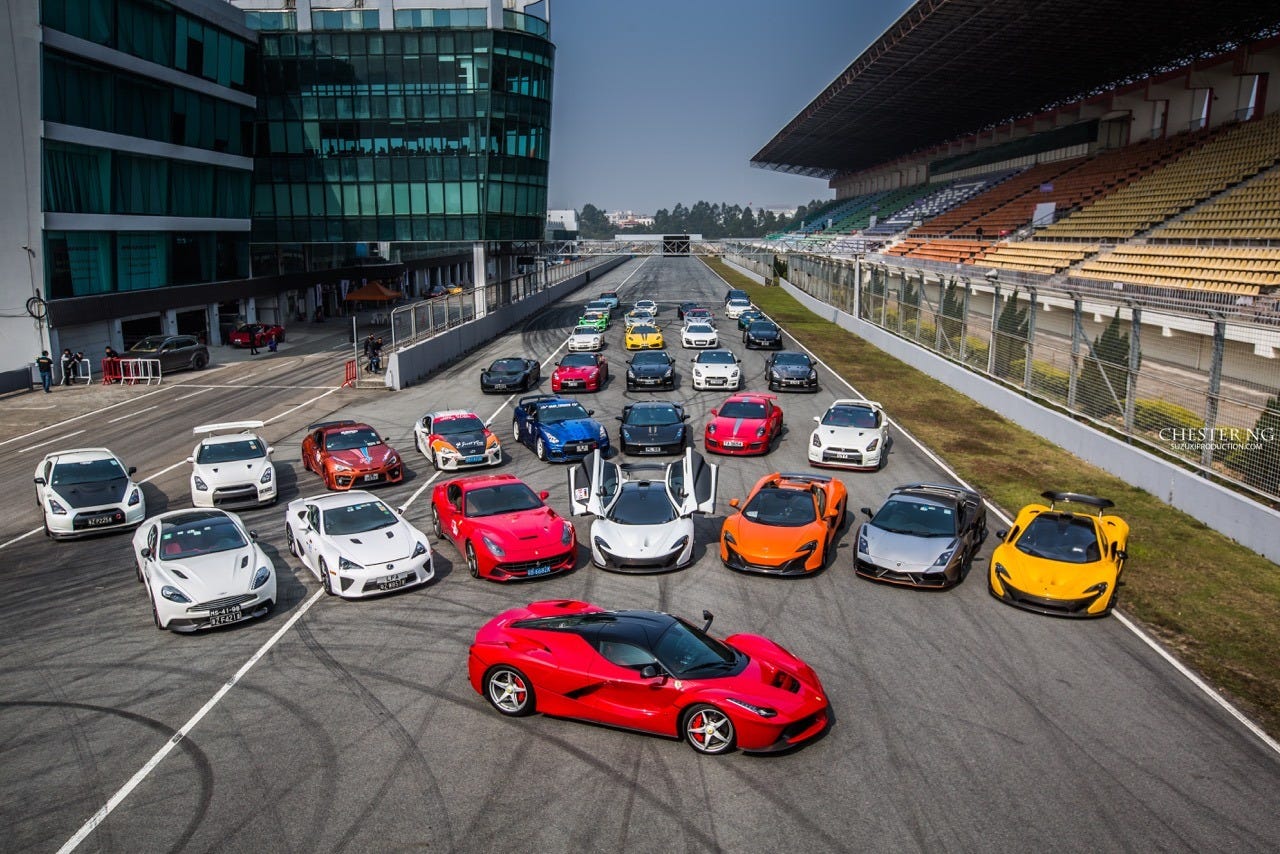
That same abundance is flooding the market with lookalike products. Rex Woodbury called it the “Costco era of software”, where mass-produced, vibe-coded apps can be spun up in seconds.
Tools like Lovable demonstrate how a prompt can yield a working app in under a minute, which means production itself is getting commoditized. When creation is cheap and instant, parity arrives fast.
But abundance has a dark side, and that’s what many refer to as AI slop. That means low-effort, auto-generated outputs that now blanket feeds and search results. It overshadows real analyses, important news, authentic content.
The Reuters Institute warns that this lazy, copy-pasted AI text and imagery is "quietly conquering the internet," threatening trust in information ecosystems. This is exactly why GEO and AEO optimization are becoming survival skills, because in a world of infinite AI output, the signal that rises is the one built with genuine craft and structure.
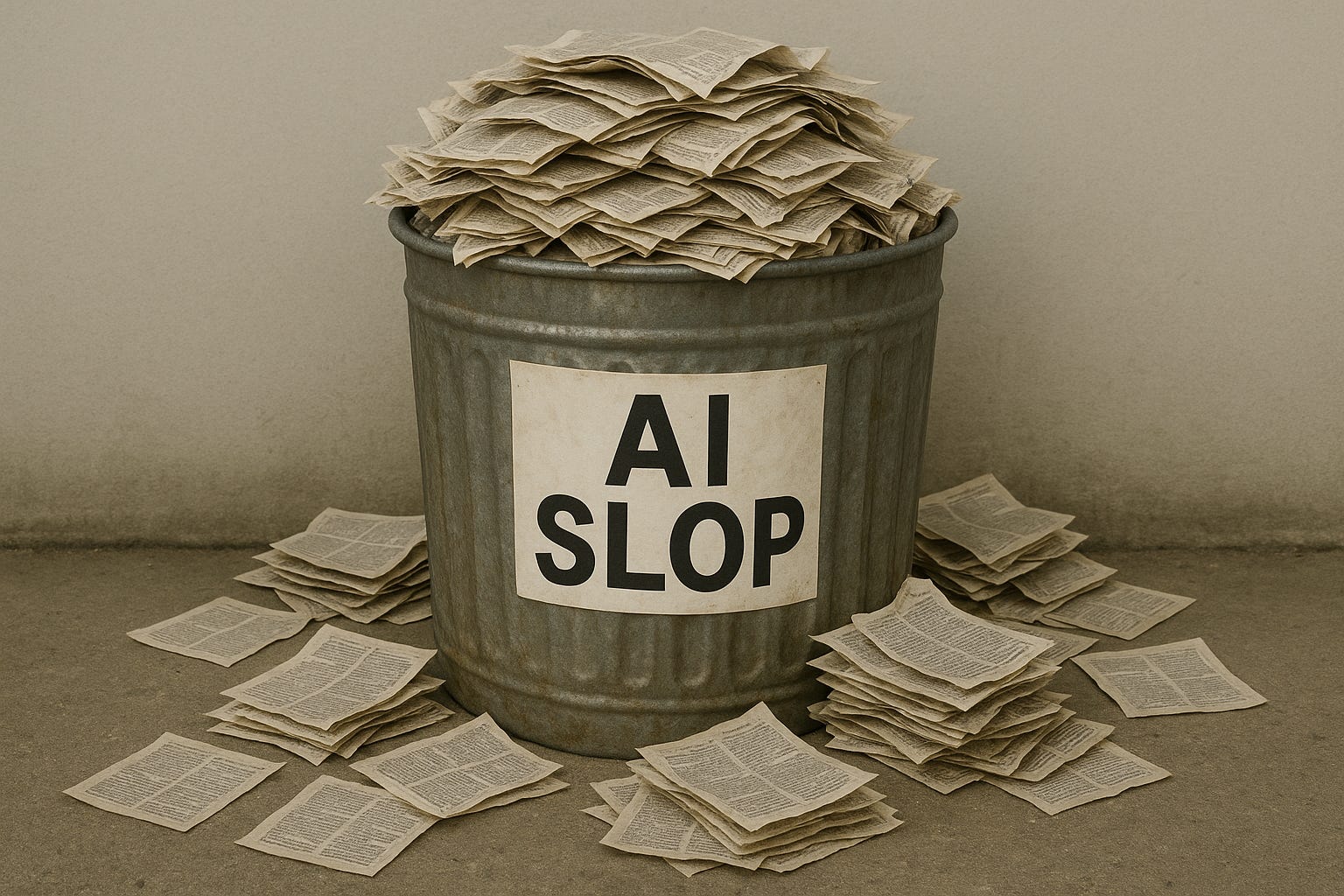
It is not just the public web that’s infected. Inside companies, “workslop” is draining time and goodwil through polished-looking but hollow AI memos, reports, and emails.
A recent study summarized by Axios found that about 40% of desk workers encountered “workslop” in the past month, with each incident consuming roughly two hours of rework and costing real dollars in lost productivity. Colleagues also rate habitual slop-senders as less capable and less reliable.
So the center of value changes. If everyone can ship a feature, what separates the product you remember from the one you close? Not raw output, not another auto-generated interface, not more knobs.
The scarce thing now is perception, coherence, and care; in a word, design. And behind that, the real moat, taste.
2. Defining Taste: The Founder’s Hidden Superpower
In startups, taste is often mistaken for aesthetics. That could be the color of a button, the layout of a landing page, the vibe of a logo. But real taste runs deeper. It’s more than just about how something looks, but about what feels right, true, and essential when the data hasn’t arrived yet.
Taste is repeatable, high-fidelity judgment under uncertainty. It’s the ability to consistently make high-signal decisions about quality and fit before anyone else can see the pattern.
From Preference to Precision
Paul Graham wrote about this long before AI flattened the creative field. In his 2002 essay on design and again in Good Taste (2021), he argued that taste isn’t a subjective whim but the backbone of progress. The invisible force that pushes creators toward better work.
If taste were just personal preference, improvement would be impossible. Every new version of a product, every refined feature, would be arbitrary. Instead, Graham saw taste as a craft: you train it by exposure, iteration, and empathy for the user. It’s the discipline of caring what good actually feels like.
Design, in this sense, is how it works plus how it feels. Taste is the judgment that tells you when those two align.
Patterns of Taste in Practice
Founders with strong taste tend to act alike in subtle ways.
Apple refuses clutter, protecting coherence even when it means saying no to features that could sell. Airbnb obsesses over details — the font on a receipt, the tone of an error message — because its founders believe consistency creates trust. Figma translates joy into software. Every animation, icon, and tooltip feels intentional.
What unites these examples is empathy. These teams imagine how the product feels in the user’s hands, not how it looks in a pitch deck. Their taste is a strategy, a way of designing decisions, not just screens.
Taste as Operating Strategy
Smart founders see taste as a business skill. It scales judgment. When everyone on a team shares a clear sense of what good feels like, execution accelerates. Meetings shrink and debates resolve faster. The company stops chasing data for validation because its internal compass is calibrated. In uncertain markets, that compass is priceless.
Ultimately, taste is what keeps you from building the wrong thing beautifully.
3. Design as Trust Infrastructure
In an era when anyone can spin up a product overnight, design has become a real credibility signal. It’s no longer just about usability or visual polish; it’s how users decide what, and who, to trust.
When every website claims intelligence and every interface promises empathy, people look for proof of care. They sense it in the small things: the clarity of a button label, the honesty of a loading message, the way a product admits uncertainty. In an age of stochastic parrots, design is the proof of care.
From Function to Believability
Traditional design optimized for frictionless experience. Today, it must optimize for integrity.
The new frontier is not just "does it work," but "can I trust it." That is especially true in AI-driven tools, where opacity and hallucination are constant risks. The best teams now practice what might be called anti-slop design:
Clarity - saying exactly what the system is doing.
Transparency - showing where outputs come from.
Reversibility - giving users control to undo or verify.
Sourcing - linking evidence or rationale behind decisions.
These patterns don’t just improve UX, they also establish psychological safety. A product that explains itself earns belief. A product that hides its reasoning invites doubt.
This is exactly the trust problem we explored in depth when looking at why most AI products fail before users even notice. The trust tax is real. Design is how you pay it down.
Case Study: Epic vs. Abridge
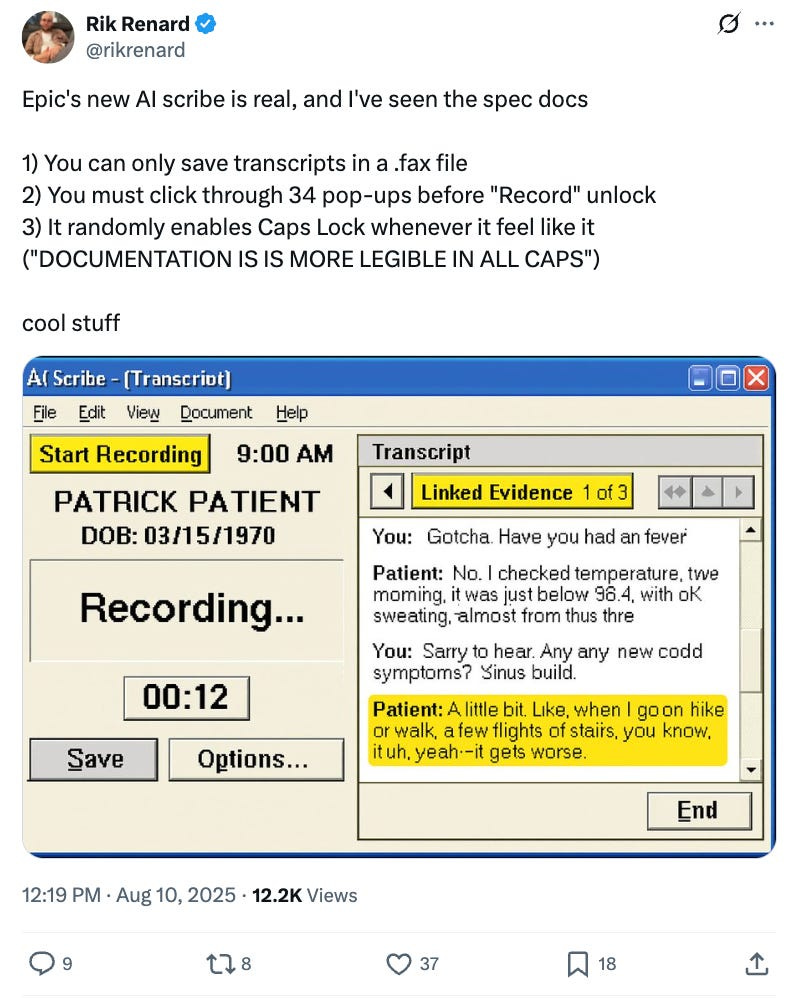
Healthcare tech offers a vivid example. Epic Systems, the industry’s dominant software provider, commands vast reach but is infamous for cluttered, confusing interfaces. When Epic launched its AI medical scribe, screenshots drew ridicule due to bloated forms and nested menus, which indicated zero empathy for the doctor using them.
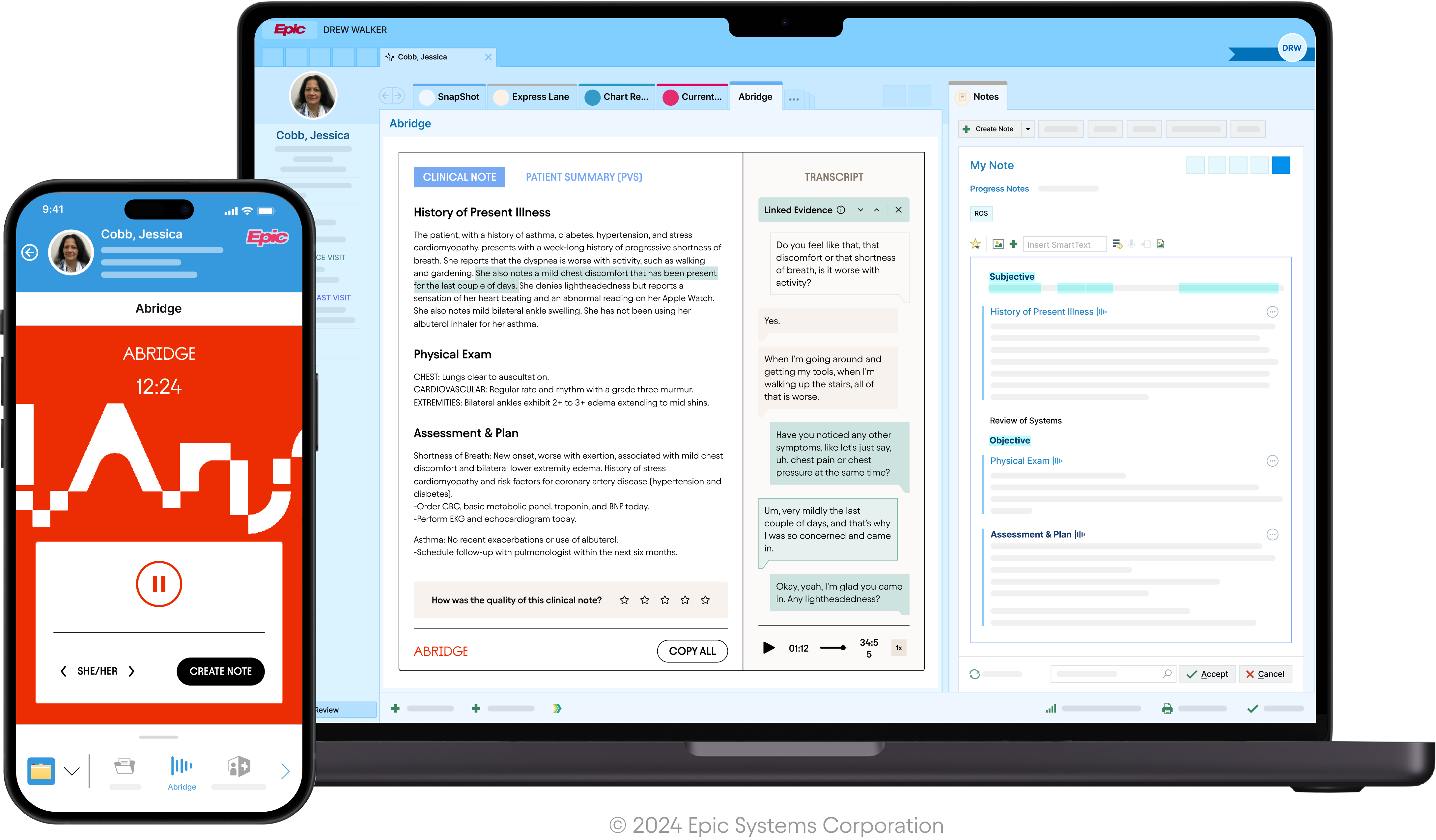
Meanwhile, Abridge, a much smaller startup founded in 2018, designed the same kind of AI scribe but with clarity and warmth. Its interface feels human, intuitive, and minimal. Physicians describe it as “beautiful” and “easy to trust.”
Despite Epic’s scale advantage, Abridge is winning advocates across hospitals because its design respects the user’s attention. Good design translates competence into credibility.
The New Covenant Between User and Product
As AI systems grow more autonomous, users increasingly rely on cues beyond technical performance to decide whom to believe. Products that show their reasoning through transparent interfaces, interpretable outputs, and honest tone, build relationships instead of transactions.
Trust is no longer earned through reputation alone. It’s embedded in the interface. Design has become the handshake between humans and machines, the architecture of belief.
4. The Aesthetic Moat: When Feel Becomes a Feature
In most markets, features converge fast. Someone clones your pricing model, your tech stack, your onboarding flow, all within weeks.
What can’t be cloned is feel. The emotional resonance a product builds through coherence, restraint, and care. This is what we call the aesthetic moat. The cultural and emotional layer of defensibility that can’t be reverse-engineered by code.
The Power of Feel
Every enduring product carries a mood, a presence, a certain rightness you can’t quite name. Arc Browser for example feels calm and intelligent. It’s built for focus, not frenzy. Notion feels light, tactile, and meditative by turning work into craft.
These sensations don’t happen by accident. They’re the result of thousands of micro-decisions that align toward one emotional truth.
When users describe a product as “beautiful,” they’re not talking about color palettes. They mean it feels internally consistent, that every detail communicates the same set of values. This coherence is what transforms design from decoration into defensibility.
When Culture Becomes Compound Interest
Think of companies like Apple, Tesla, and Dyson. They are archetypes of this compounding effect.
Apple’s aesthetic moat is decades deep. Its typography, gestures, and material choices all express a single idea: technology made humane.
Tesla turned engineering performance into emotional aspiration. It made electric cars desirable not just for what they do, but for what they make you anticipate about the future.
Dyson made function itself beautiful by exposing the mechanics, precision, and physics until the product’s inner logic became its design language.
In all cases, the feel becomes part of the brand’s gravity. Competitors can mimic features, but not the emotional signature users have learned to trust.
Once taste is embedded in culture, it starts to multiply like capital. Each new release carries the DNA of earlier choices. Over time, that creates an expectation users subconsciously measure everything else against.
Why It Can’t Be Copied
Code can be copied. Pricing can be undercut. But taste can’t be commoditized. It’s cultivated through lived conviction; the founder’s insistence on emotional coherence across every interaction, from the loading spinner to the tone of customer support.
The aesthetic moat forms when every user touchpoint reinforces the same emotional truth. It’s the soul of the product showing through. And in a world of AI-built clones, that soul is what stays scarce.
5. The Rise of the Taste Economy
The first wave of the digital age rewarded creation. Whoever shipped more, faster, cheaper, won. But AI has broken that logic. When anyone can generate code, content, or design on demand, creation loses its scarcity premium.
The scarce skill now is curation. It’s knowing what to keep, what to cut, and what to ignore. We are leaving the creation economy and entering the taste economy, an era where value comes from editing, not output.
Filters Over Generators
Abundance reshapes power. When everything can be made, filters outrank generators. We no longer need more images, products, or startups. What we need is sharper filters to decide what’s worth attention. In this new hierarchy:
Filters beat generators. People trust who refines, not who floods.
Curators beat creators. The human who selects meaning wins over the machine that produces volume.
Editors beat engineers. Technology can automate production, but it can’t replace judgment.
AI is the printing press of our time, it has democratized making. But just as the printing press created both great literature and cheap pamphlets, today’s abundance makes taste the arbiter of value.

Startups as Editors, Not Factories
The next generation of great startups won’t look like production lines. They’ll look like editorial studios. What that looks like is small, disciplined teams that make fewer, better things.
Their competitive advantage will be the restraint to ship only what feels coherent with their values. They’ll treat the product roadmap like an editorial calendar, not a factory schedule.
The Consumer Shift
Consumers are evolving the same way. In a flood of sameness, people seek meaning, identity, and coherence in the products they use. They don’t just buy function; they buy alignment, the sense that a product sees the world the way they do.
The Investor’s Lens
Investors are starting to recognize this in the way they value startups. They talk about founders who “see the whole product,” who make aesthetic and strategic decisions with the same clarity. These are the ones who institutionalize judgment.
In a noisy AI market where technical moats evaporate overnight, this kind of discernment becomes the rarest defensibility.
Conviction in the Age of Abundance
AI levels the playing field for creation but widens the gap for conviction. Anyone can now produce; few can curate. The winners will be those who build companies where taste isn’t a personal quirk but a shared discipline, a practice that multiplies trust, love, and retention.
Taste, at its core, is a compounding asset. The more you apply it, the stronger it gets, and the harder it is to copy.
6. Founders as Editors: Leading with Restraint
Every startup begins as a field of infinite possibility. The hard part isn’t imagining what to build, but deciding what not to.
Founders love to describe themselves as builders, but in this new era, the best founders act more like editors, by shaping, pruning, and refining until only the essential remains. The key is subtraction, not addition.
Refusal as Brand Philosophy
In today’s age, restraint is no longer a constraint; it’s a brand statement.
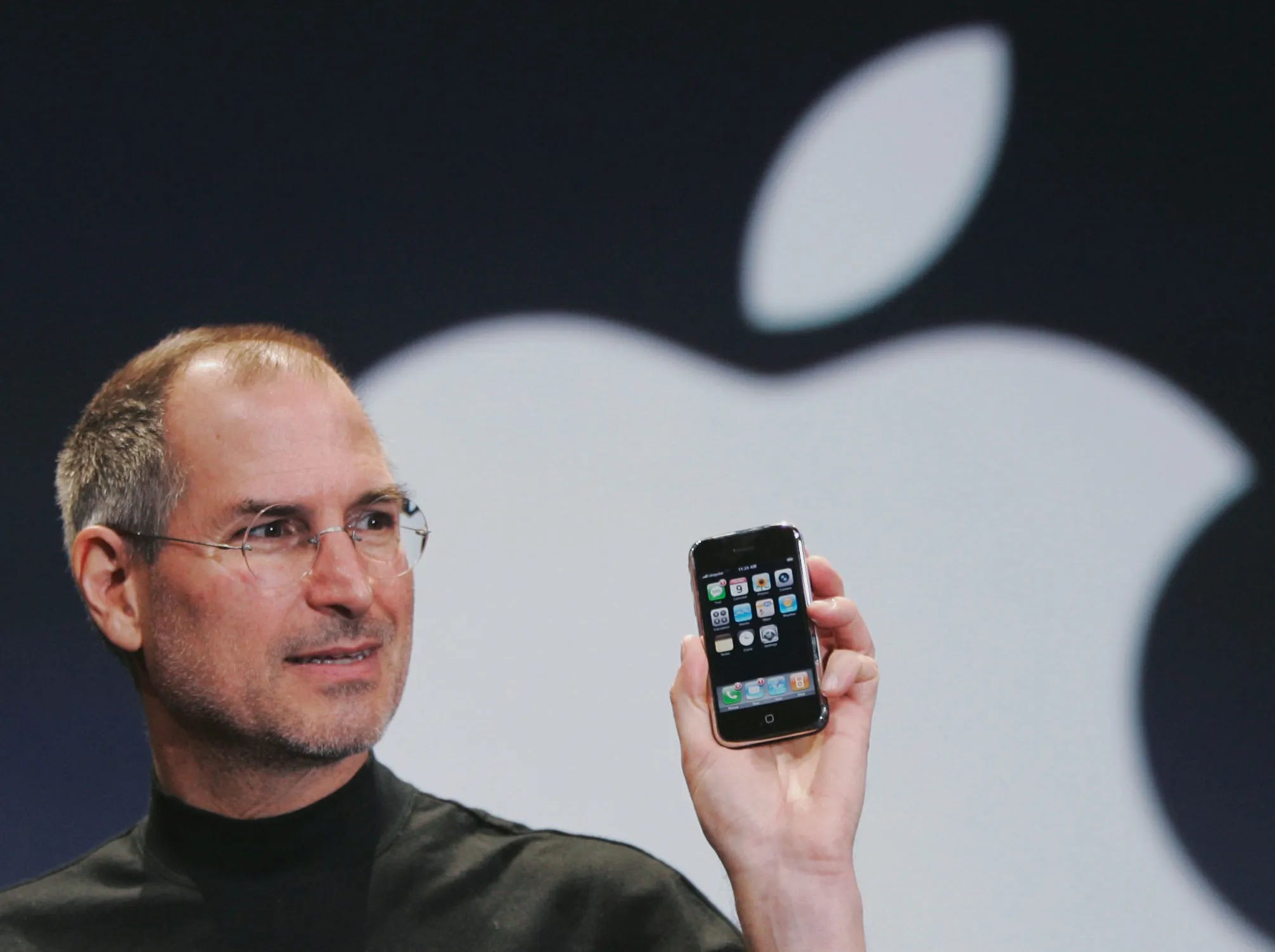
Apple built its reputation not on endless choice and additional features, but on deliberate absence. One phone, one port, one clean decision at a time.
Basecamp refuses to scale features beyond what a small team can manage gracefully, turning limitation into identity.
Abridge gained traction not through the number of features, but through its refusal to clutter the doctor’s workflow.
In each case, refusal is taste in action. Every “no” draws a line that makes the remaining “yes” more powerful. When users encounter that focus, they are more drawn to trust the confidence that someone cared enough to filter.
Scaling Judgment Through Culture
Taste can’t be delegated, but it can be codified. The founders who scale taste are able to turn it into habit. They design reviews that examine feelings. They don’t just obsess about function. Their hiring screens for empathy and not résumé keywords. They adopt rituals that reward clarity over cleverness.
When these values become reflexes, teams start editing on instinct. That’s when taste scales through shared sense-making and not just checklists.
Alignment, Not Micromanagement
Design-driven leadership often gets mistaken for control. In truth, it’s the opposite.
It’s alignment through clarity and values. When everyone understands what “good” feels like, oversight becomes redundant. Teams move faster, not slower, because they’re guided by the same internal compass.
Taste-driven cultures ship products that feel coherent, because every contributor, from engineer to marketer, is editing toward the same emotional truth. That coherence compounds into something metrics can’t fully capture: brand love.
7. Designing for Trust Instead of Speed
The last decade glorified speed. Move fast and break things, then automate the rest.
But in an AI-saturated world, velocity without integrity is starting to backfire. Users no longer equate rapid updates or shiny features with progress. What they’re looking for is products they can believe in. The next competitive metric won’t be time-to-ship. It will be time-to-trust.
The Cost of Going Too Fast
We’re already seeing the fallout from chasing speed at all costs. As AI tools flood the web with auto-generated noise, trust in digital content is collapsing.
We’ve already discussed how low-effort, AI-produced “slop” is already beginning to undermine credibility across news, commerce, and everyday search. It also erodes the user’s baseline confidence in what’s real.
The same pattern repeats within companies, leaving colleagues feeling annoyed, less trusting, and less engaged. The pursuit of productivity, in other words, is breeding distrust.
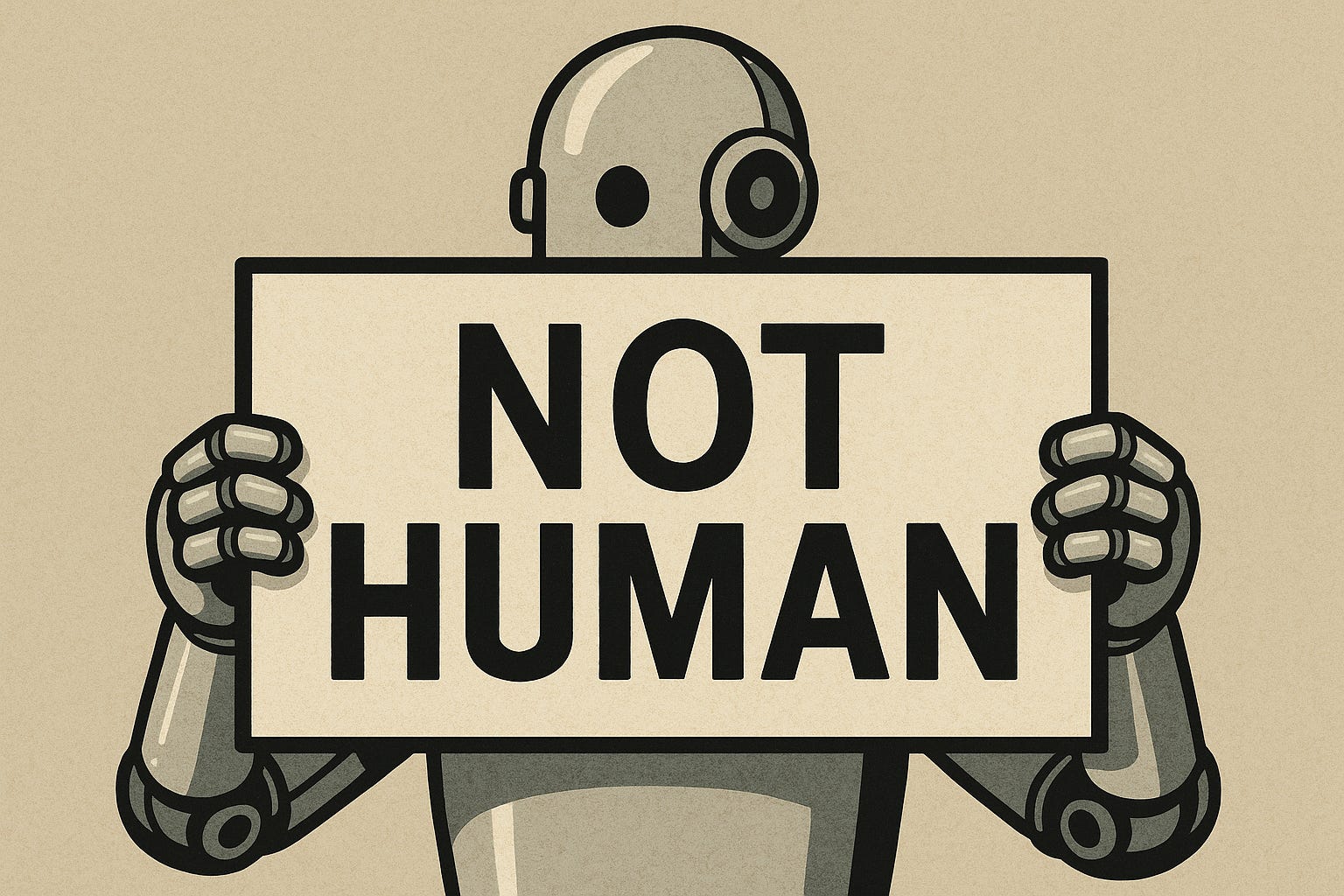
Startups optimizing for output velocity through endless feature releases, auto-generated marketing, AI-written everything, are discovering that more isn’t better when no one believes it’s human.
The Slow Product Advantage
Trust is becoming the luxury users are willing to wait for.
Products that slow down to explain themselves, that expose their reasoning, that earn belief instead of faking fluency, will outperform their frictionless but hollow counterparts.
A slightly slower AI assistant that cites its sources will inspire more confidence than one that answers instantly but opaquely. The same principle applies across other categories too. The deliberate beats the automated.
Principles of Designing for Trust
Startups that want to build endurance rather than churn can start small:
Transparency over polish. Show how the system works, even if it breaks the illusion of magic.
Fewer decisions, clearer affordances. Make interactions intuitive so users never feel tricked.
Authenticity over automation. Keep the human voice. Focus on empathy, humility, imperfection and make them visible.
8. The Next Moat Is Meaning
We’ve entered an age where the frontier is no longer what’s possible, but what’s worth building.
Technology has erased the barriers to creation, but not the need for care. When every product can be built by machines, the real differentiator is the humanity behind it.
The next generation of enduring startups won’t be the ones that automate everything. They’ll be the ones that care deeply about what they release into the world. The ones built by teams that design for trust, edit with restraint, and hold themselves to a standard invisible to metrics but obvious to users.
In a market obsessed with speed, they’ll slow down enough to make something that feels right.
AI can multiply output, but it can’t multiply judgment. That remains human territory. Taste will become the ultimate signal of conviction; proof that someone, somewhere, took the time to decide what deserved to exist.
In the end, the companies that win won’t be the fastest builders or the loudest marketers.
They’ll be the ones that choose well, who treat design as a promise and taste as a discipline. In a world of infinite creation, the rarest skill will be discernment, and the rarest products will be the ones made with soul.
Well written piece with a lot of emphasis on the psychology of the future user!
Sameness is cheap now. That's why taste matters more.
If everyone can build something polished enough, the difference starts showing up in the choices.
It's about what gets left out, what gets refined, and whether the thing feels like anyone actually cared while making it.