

Why Raising Too Much Too Early Is an Underrated Mistake
In 2024 alone, more than a dozen Y Combinator startups raised $5M to $15M just weeks after Demo Day, many at post-money valuations of $50M, $100M, even $150M.
And while these founders will think that’s momentum, in reality, it can be a death sentence.
When a startup raises at a $100M post-money valuation, it implicitly commits to showing at least 3x traction before its next round. For that, revenue has to grow rapidly, operations need to be tightened, retention must stick, and all of that within a deadline.
Anything less, and you can say goodbye to your Series A round.
This is what we call the startup overvaluation risk. The more you raise, the more expectations harden, and the less space you have to stumble, iterate, or course-correct.
But the trap goes deeper than math.
Speaking of risk management:
Moving fast without proper oversight is how startups get burned, whether it’s capital allocation or AI deployment.
Vanta built a free AI Security Assessment Template to help teams evaluate AI tools before they become liabilities.

It allows you to:
✅ Assess AI tools before deployment
✅ Align with GRC best practices
✅ Standardize internal risk reviews
If you’re scaling and adopting AI, this is how you stay fast without being reckless.
There are psychological factors here as well.
By throwing a bottomless pit of cash at a founder, there’s a risk that they lose their edge. Scarcity is a forcing function; abundance is a sedative. With millions in the bank, it’s tempting to spend big, to hire quickly, launch early, and outsource problems. The capital starts to shape the company more than the customer does.

Fred Wilson’ bold statement is: “The amount of money start-ups raise... is inversely correlated with success.”
Paul Graham also warns that raising too much funding too early makes companies rigid, less adaptable, and more vulnerable to internal bloat.
This is a paradox that is often hard to realize and accept. The real risk isn’t that you’ll run out of money, it’s that you’ll raise too much and burn your optionality instead.
The danger isn’t just dilution or runway mismanagement. It’s that you build the wrong company with too much money, and don’t realize it until it’s too late.
Table of Contents
1. The 8 Ways Too Much Money Kills Startups
2. When Raising Big Does Make Sense
3. The Operating Playbook for Founders
4. Red Flag Checklist and Cheat Sheet
5. Discipline Over Dollars
1. The 8 Ways Too Much Money Kills Startups
The startup graveyard is littered with teams that had too much capital, too soon. Far from insulating you from failure, an overstuffed bank account often accelerates it. Here’s how.
1. PMF Gets Distorted
When funding flows before product-market fit, it changes what you’re building, and who you’re building it for. Instead of listening to users, you start responding to investor pressure, board expectations, and growth targets that don’t match product reality.
Let’s call this “money-market fit.” That’s when funding replaces validation. Founders mistake capital for customer love. As a result, they over-ship, over-sell, and scale based on a hypothesis that’s still half-baked. The result is a premature scaling startup that looks fine on the outside but is hollow within.
2. Burn Outruns Learning
Not only doesn’t money speed up learning; it also makes bad ideas more expensive. Teams with too much capital tend to hire ahead of traction, pour spend into acquisition, and chase growth without clarity.
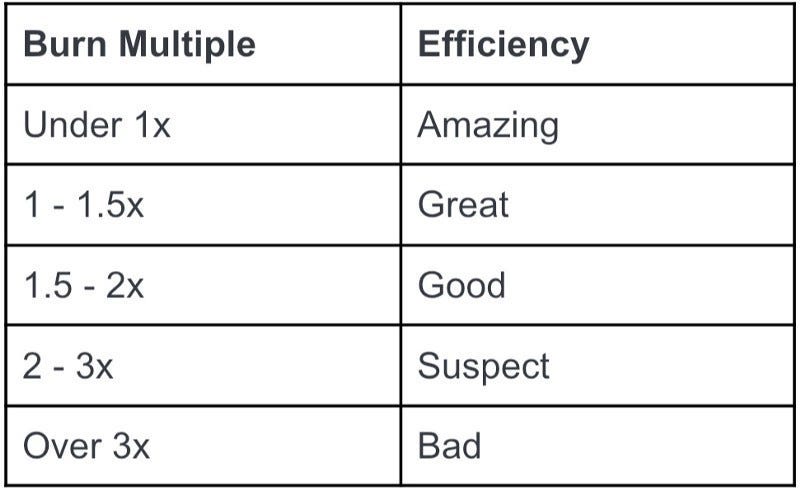
This is where the burn multiple metric becomes critical. Defined as Net Burn ÷ Net New ARR, it tells you how much you’re spending to generate each new dollar of recurring revenue. A burn multiple under 2 is healthy. Over 3, and you’re setting money on fire.
David Sacks, the mastermind behind the burn multiple metric, says: “If your burn multiple is over three, it’s a red flag. You’re spending like a later-stage company without delivering later-stage growth.”
3. Premature Scaling
Startup Genome’s analysis of 3,200 startups found that approx. 70% of them scaled prematurely, 74% of high-growth internet startups fail for this reason, and 93% of prematurely scaled companies never break $100k MRR. Their findings are eye-opening.
Premature scaling means ramping up headcount, marketing spend, and product expansion before locking down retention or market pull.
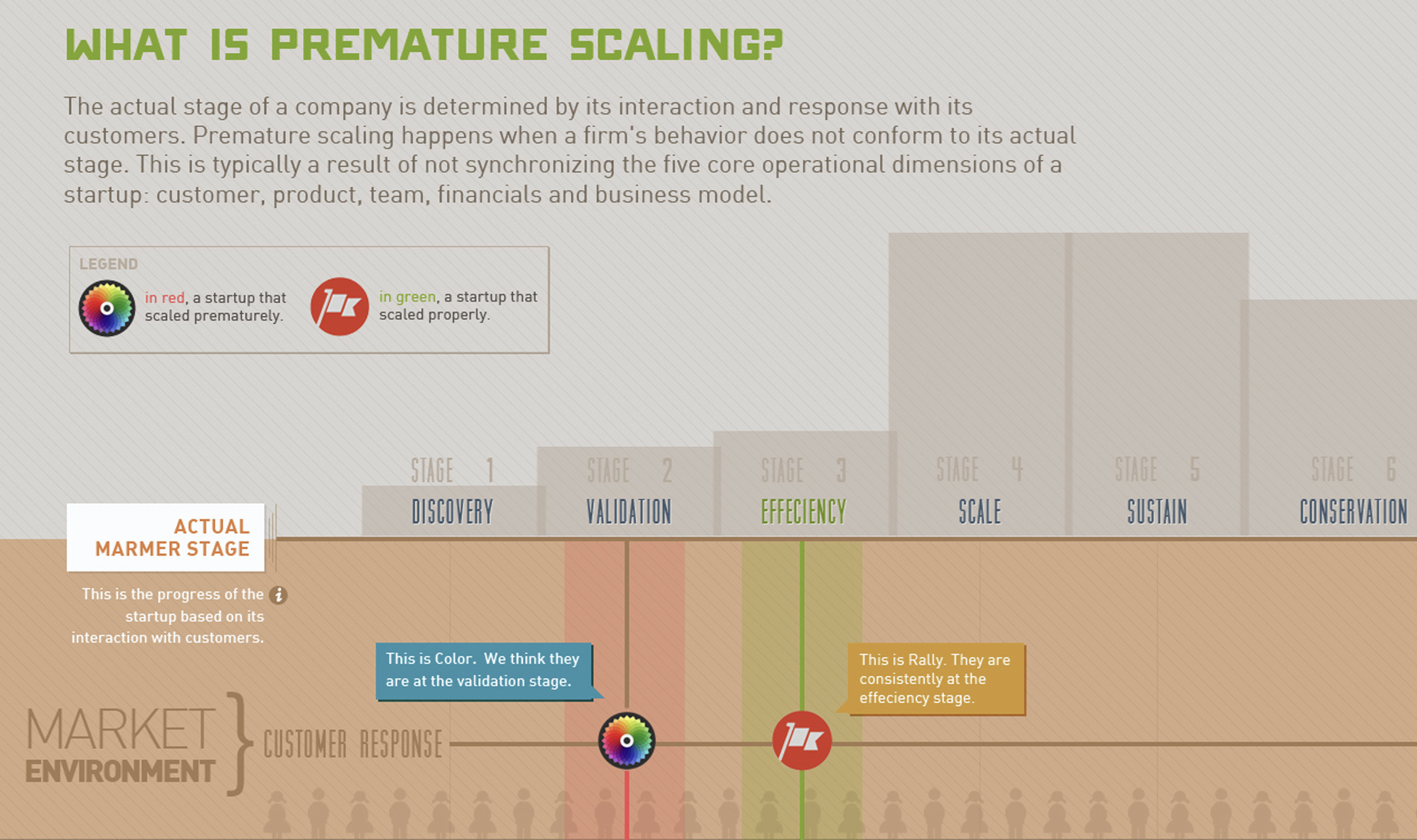
Scaling prematurely doesn’t just waste money. It locks in costly assumptions, creates internal inertia, and removes the flexibility to pivot; the very trait that defines early-stage resilience.
4. Valuation Traps
Once you raise $5M at $50M, or $10M at $100M, you are immediately on the hook to 3x your valuation by the next round. That’s the math VCs expect. If you don’t hit those marks, you’re stuck, either with a down round, or no round at all.
This is one of the core startup overvaluation risks. When your valuation outpaces your traction, you end up boxed in. You can’t grow into it, can’t raise on top of it, and can’t sell beneath it.
You’re trapped inside your cap table.
5. Preference Overhang
Big checks often come with heavy terms such as liquidation preferences, participating preferred stock, and ratchets. These investor protections pile up and crush exit flexibility.
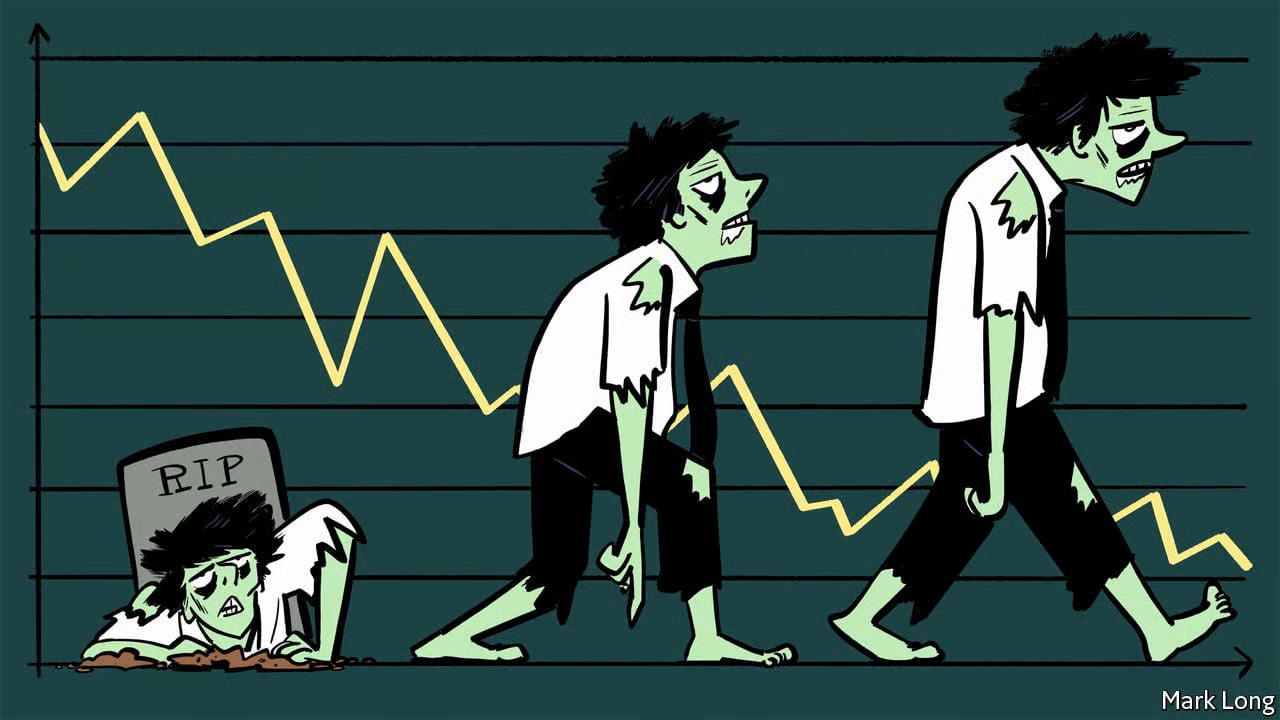
A modest acquisition might return nothing to the team after preferences get paid out. Employees lose motivation, founders feel cornered, and the company becomes a zombie; alive on paper, dead in spirit.
6. Expectation Overhang
When you raise huge early rounds, expectations balloon, both internally and externally. Media stories run wild. Employees start calculating their paper net worth. Your investors expect unicorn-level outcomes.
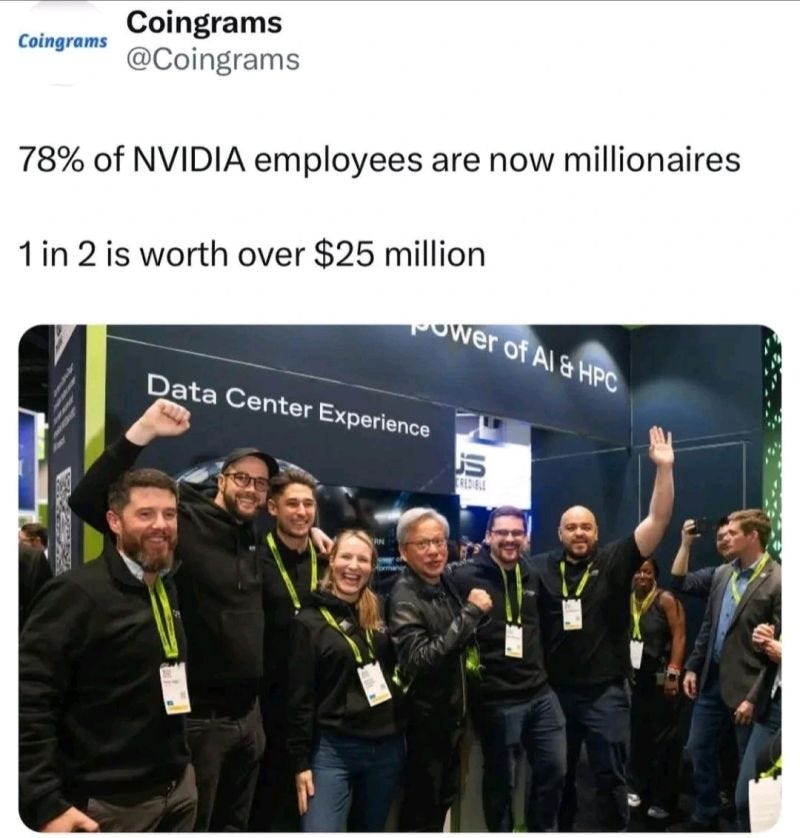
And when you inevitably fall short of these expectations, when growth plateaus, or churn creeps in, that same crowd turns skeptical.
“It’s very hard to recover from failing to live up to inflated expectations.” - Paul Graham
7. Culture Drift
With capital to spare, founders hire early VPs, heads of this and that, senior execs “to scale.” But scale isn’t the problem, lack of PMF is.
The team balloons, bureaucracy creeps in, scrappiness dies, and critical decisions slow down. Instead of founder-led hustle, you get meetings, decks, and process for process’s sake.
You’ve built a corporation before building a product.
The Startup Genome study reported that a sudden cultural change can be one of the most toxic effects of overcapitalization. Once you lose your startup DNA, it’s pretty much impossible to recover.
8. Exit Optionality Collapses
High valuations combined with investor-friendly terms don’t just make raising harder, they make exiting harder as well.
A $300M acquisition might be life-changing… unless your last round was at a $500M cap with 2x preferences. Suddenly, every M&A opportunity is underwater, or politically impossible.
You’ve essentially priced yourself out of viable exits.

Cautionary Case Notes
A few well-known flameouts illustrate how each of these dynamics plays out in practice. At the end of the day, capital without constraints rarely ends well.
Quibi raised $1.75B pre-launch to build a mobile-first entertainment platform. They spent lavishly on A-list content and celebrity marketing, all without validating core user demand. The app shut down in under a year.
Jawbone raised over $900M over its lifetime to build consumer wearables. But amid product failures, high burn, and aggressive scaling, it lost to Fitbit and Apple. It eventually liquidated in 2017.
Fab.com raised $336M and expanded rapidly into multiple markets and product lines. But with no real user retention and constant pivots, it collapsed. From a $1B valuation to a firesale.
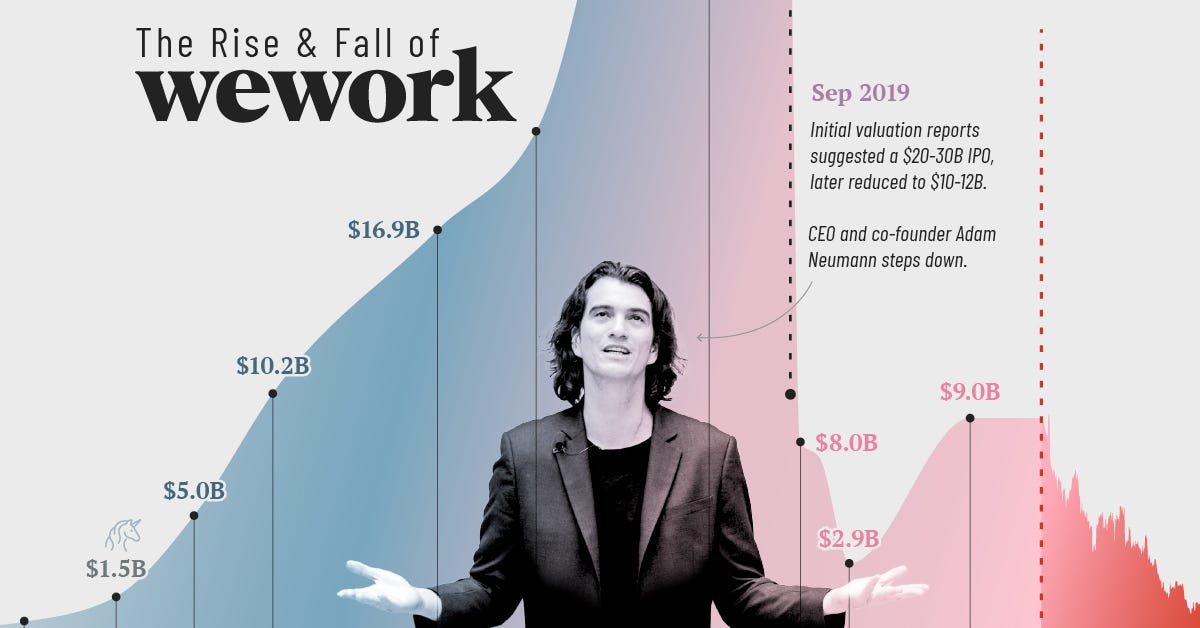
WeWork, of course, is the cautionary icon of this story. Billions raised, toxic culture, bloated expansion, and an imploded IPO. High valuation, zero discipline. Even with a soft landing, the damage was permanent.
2. When Raising Big Does Make Sense
Not every big round is a mistake. In some categories, raising too much funding isn’t necessarily a problem. It could be the prerequisite.
Certain sectors are structurally capital-intensive. Biotech, deeptech, EV infrastructure, semiconductors, aerospace, climate hardware; these are long-arc bets where product development takes years, and revenue is far from immediate.
In these cases, cash is a lifeline. You can’t bring a fusion reactor to market by bootstrapping your way through ramen profitability.
Investors understand this. When they fund these “moonshot” categories, they accept high attrition as the cost of trying. The bet is on fundamental R&D, protected IP, or deep regulatory moats, not short-term GTM velocity. But even in these sectors, capital discipline still matters.
The smartest founders stage big rounds like internal tranches. That means breaking the capital down into deployment gates based on technical validation, regulatory progress, or early commercial traction. They build kill-switch optionality into their plans by preserving the right to stop, pause, or pivot before the full budget is burned.
Yes, they may raise $40M, but only release $8M at a time. They think like scientists instead of spenders.

Because even in hardtech, the laws of startup physics still apply: too much, too fast, with no constraints will sink you.
Think of capital not as rocket fuel, but as life support. Used right, it keeps you alive long enough to build the thing that works. Used wrong, it just speeds up the explosion.
3. The Operating Playbook for Founders
Big rounds don’t kill startups, undisciplined use of capital does. If you’ve raised, or plan to, here’s the playbook to stay alive, stay flexible, and stay in control.
Raise for milestones, not ego
The size of your round should map to real, de-risked milestones. Think of milestones such as validating retention, reaching $X in ARR, proving CAC payback, or shipping a working product.
If you can hit the same goals with half the capital, do it. More money ≠ more certainty.
Sometimes, less money leads to more success. Because it forces clarity, and makes founders choose.
Track the right efficiency metrics
Ignore pointless metrics. What matters is how efficiently your startup converts dollars into real, recurring revenue.
The Efficiency Score tells you how many dollars of ARR you’re creating for every dollar you burn:
Efficiency Score = Net New ARR / Net Burn
The higher your efficiency score the better. It’s a quick way to gauge capital discipline, whether your spending is translating into meaningful, durable growth.
Bessemer Venture Partners considers 1x or higher a strong benchmark for SaaS companies; below 0.5x usually signals weak product-market fit or poor allocation.
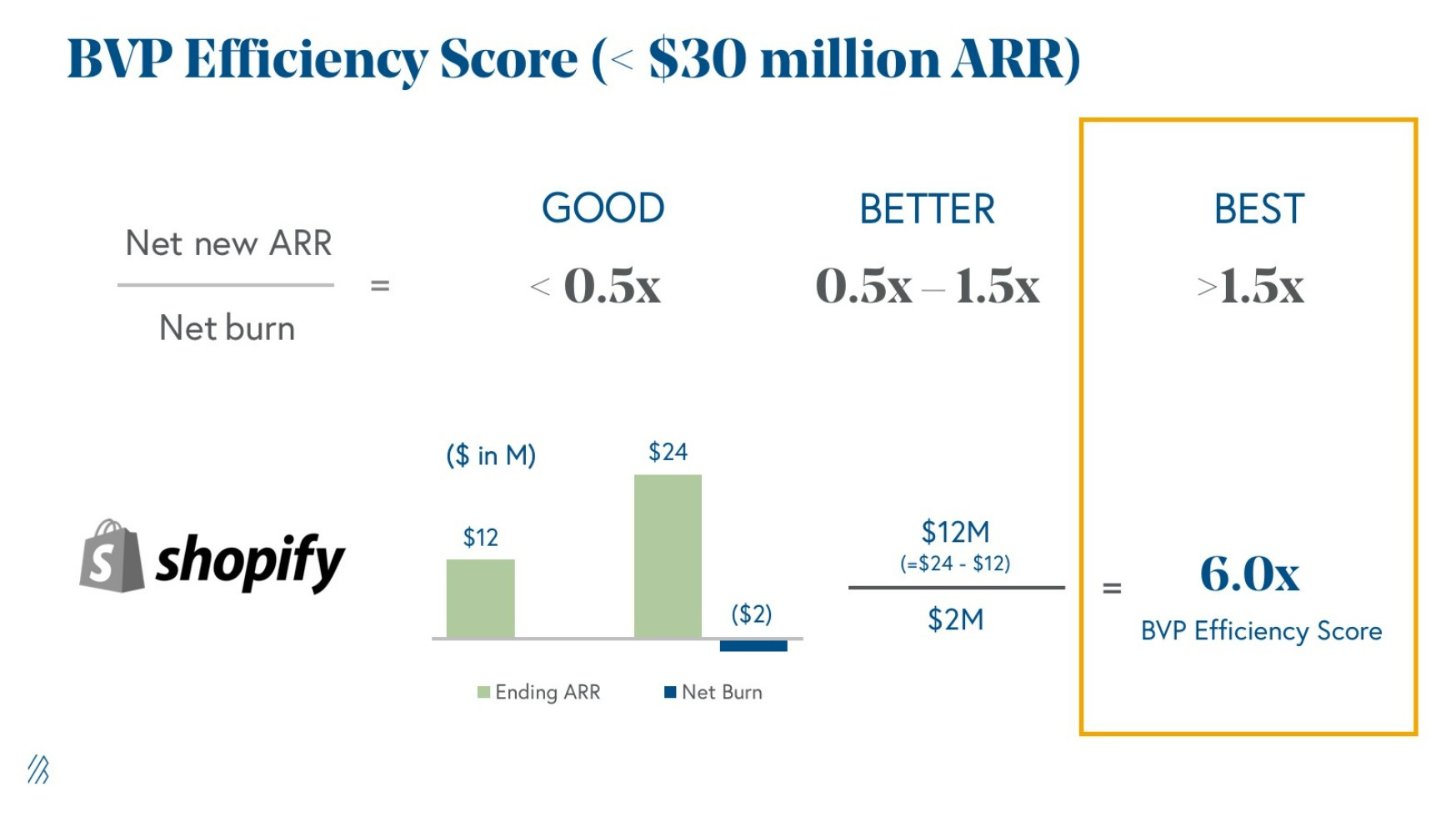
The Burn Multiple metric flips the above formula and tells you if your growth is sustainable:
Burn Multiple = Net Burn / Net New ARR
For SaaS, aim for <2x early on.
Below 1.5x, and you’re in the elite zone.
Above 3x, you’re burning dollars to chase dimes.
Investors are watching this number. If it’s ugly, fix it before your next board deck.
And then there’s the Hype Factor, a reality check on how much of your “success” is perception versus performance:
Hype Factor = Capital Raised / ARR
Healthy SaaS companies hover around 1–2x near IPO readiness. Anything above 3x means your funding is outpacing traction. Beyond 5x, you’re selling a dream, not a business.
Together, these three numbers tell a simple story:
Burn Multiple measures discipline.
Efficiency Score measures return on spend.
Hype Factor measures reality versus illusion.
If your metrics suggest hype is rising faster than ARR, or burn is outrunning growth, it’s time to slow down, refocus, and rebuild efficiency before your next board meeting.
Stage spend unlocks
Even if you raise a large round, don’t spend like it’s all available Day 1. Break your budget into internal tranches. Only release the next block of capital after hitting retention, revenue, or usage targets.
This is how you inject “founder-side discipline” into a system that’s otherwise designed to burn. You’re not just managing cash, you’re managing momentum.
Delay hiring
Don’t outsource your way into oblivion. If you haven’t personally closed deals, don’t hire a VP of Sales. If you haven’t handled customer support, don’t hire a customer success team. Early-stage startups struggle when founders delegate learning.
Every hire compounds your burn, complexity, and management overhead. Hire slow, fire slower. Scale learning before you scale headcount.
Protect your terms
The dangers of overfunding startups often stem not just from size of capital, but the strings attached. Insist on clean preferences. Watch for participating preferred stock. Avoid ratchets unless you know what you’re trading.
Your cap table is your long-term leverage. If it gets too messy, you’ll lose optionality at exit, or worse, you’ll lose control when it matters most.
4. Red Flag Checklist and Cheat Sheet
Startups don’t fail overnight, they drift into failure one hire, one slide deck, one inflated valuation at a time. If you’ve already raised, here’s how to check whether you’re headed toward a cliff.
Red Flags: Are You in the Danger Zone?
🚩 Raised a big round with little PMF evidence?
You might be scaling a product nobody wants, just with nicer office chairs.
🚩 Valuation >$100M, revenue <$1M?
Classic startup overvaluation risk. The next round becomes a ceiling, not a bridge.
🚩 Burn multiple worsening for 2+ quarters?
You’re not getting more efficient, you’re buying growth at a loss. Time to re-evaluate.
🚩 Headcount growing faster than customer base?
You’re scaling org chart, not value. That’s how premature scaling startups implode.
🚩 Option pool underwater?
You’ve over-promised on equity, and underdelivered on value. Team morale will erode fast.
Pressure to show vanity metrics?
If you’re designing dashboards for investors instead of customers, you’ve already lost focus.
If more than two of these apply, hit pause. You’re no longer on a default-alive trajectory. You’re on borrowed time, and borrowed credibility.
The Founder’s Cheat Sheet
A quick reset for those who want to rebuild, not rationalize:
Always tie money → milestone. Capital should map to specific de-risking, not headcount.
Raise less, prove more. Optionality is a function of leverage, not runway.
Spend in stages. Break big rounds into budget tranches with internal gates.
Track burn efficiency. Use the burn multiple metric to spot misalignment early.
Stay default alive, even with a war chest. It’s a mindset, not a bank balance.
Ultimately, the lack of money is not a reason for failure. What causes failure though, is when founders stop acting like the money might run out.
5. Discipline Over Dollars
Money shouldn’t change your company, it should amplify it. If you’re focused, disciplined, and close to your users, more capital can accelerate progress.
But if you’re still fumbling for product-market fit, the same capital only magnifies waste, drift, and denial.
The paradox of venture is that the real dangers of overfunding startups don’t come from scarcity, but from abundance. A premature scaling startup with millions in the bank might appear “safer”, while in reality it’s often closer to collapse.

As Paul Graham and Fred Wilson both caution, the more you raise, the harder it is to pivot, stay scrappy, and survive the inevitable shocks.
The real success stories aren’t the ones flashing $15M seed rounds or $100M valuations after Demo Day. They’re the ones that raise for milestones, guard their burn, and treat each dollar as fuel to learn. Customers, not investors, are the only real validators.
In the next capital cycle, especially as AI-driven hype floods the market, discipline will be the sharpest differentiator. The founders who resist raising too much funding, who embrace constraints as a feature not a bug, will be the ones still standing when the easy money dries up.
The hiring pressure is the part most founders underestimate. Raising big early doesn't just set a growth bar. It sets a headcount expectation that forces complexity before the product is ready for it.
this is so true. Entrepreneurs get in trouble if they chase big $$ at high valuation (which usually go together)... instead of raising what they need. SOMETIMES this results in them implementing a plan preferred by SOME unicorn-seeking investors impatient to let things mature.... resulting in founders executing what investors want rather than implementing their initial vision.